A senior FBI official is stepping away from one of the bureau’s unusual leadership roles, but his departure comes with a message that will resonate with supporters of President Donald Trump’s effort to reshape federal law enforcement: He believes Kash Patel’s reforms are moving the FBI in the right direction.
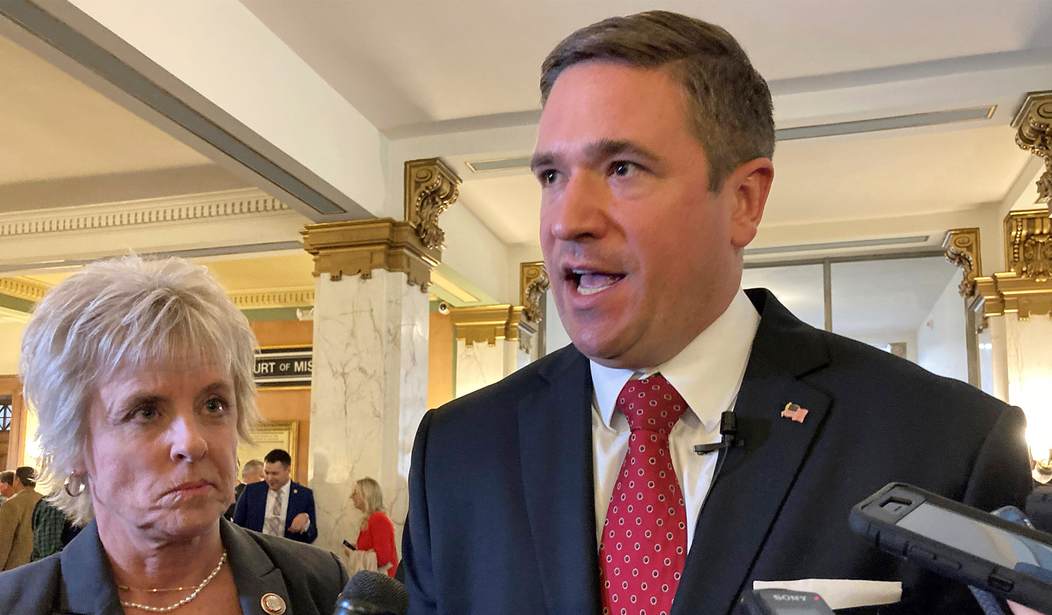
The deputy director announced that he would leave his position and return to his family in Missouri, expressing pride in what the bureau’s leadership has accomplished.
“With great pride in what we have accomplished, I am announcing that I am stepping down to return to my family in Missouri,” he said.
But his announcement was about more than a personal decision. He also offered a strong endorsement of FBI Director Kash Patel and the administration’s efforts to restore public confidence in an institution that has faced years of intense scrutiny.
“I am confident Director Patel will continue to reform the FBI, combat violent crime, defend the homeland, ensure strong organizational accountability, and restore public trust in this institution of excellence,” he said.
That is a significant statement from an official who has served within the leadership structure Patel assembled during Trump's second term.
For the Trump administration, restoring confidence in federal law enforcement has been a central objective. The FBI's responsibilities — from investigating violent crime to protecting national security — demand public trust. When that trust erodes, rebuilding it requires more than speeches. It requires accountability, consistent enforcement, and results.
Patel has made reform a defining part of his leadership, with an emphasis on organizational accountability, crime reduction, and protecting the country from threats at home and abroad.
The departing deputy director's remarks suggest that he believes the effort should continue beyond his own tenure.
His decision to return to Missouri is a personal transition, not an announced break with Patel's agenda. Indeed, his public praise makes clear that he is leaving with confidence in the director's direction.
That distinction matters. Leadership changes are inevitable in any major federal agency, but the priorities established under a director can continue after individual officials depart.
For Americans who have demanded greater accountability from the FBI, the central question is whether the reforms translate into lasting institutional change. The bureau must demonstrate that it can pursue criminals, protect national security, and apply the law consistently while earning the confidence of the public it serves.
Patel now faces the continuing task of delivering on those expectations.
The departing official has made his position clear: He believes the work is not finished, and he expects Patel to keep pushing forward.
Restoring public trust in the FBI will ultimately depend on results, accountability, and the confidence Americans place in their own institutions. As this deputy director returns to his family in Missouri, his endorsement leaves Patel with both a vote of confidence and a continuing obligation to prove that the bureau's reform agenda can deliver.