The FBI says it stopped hundreds of planned terrorist attacks on American soil last year, including four separate plots disrupted in a single month — a staggering figure that puts a harsh spotlight on the scale of the threat facing the country.
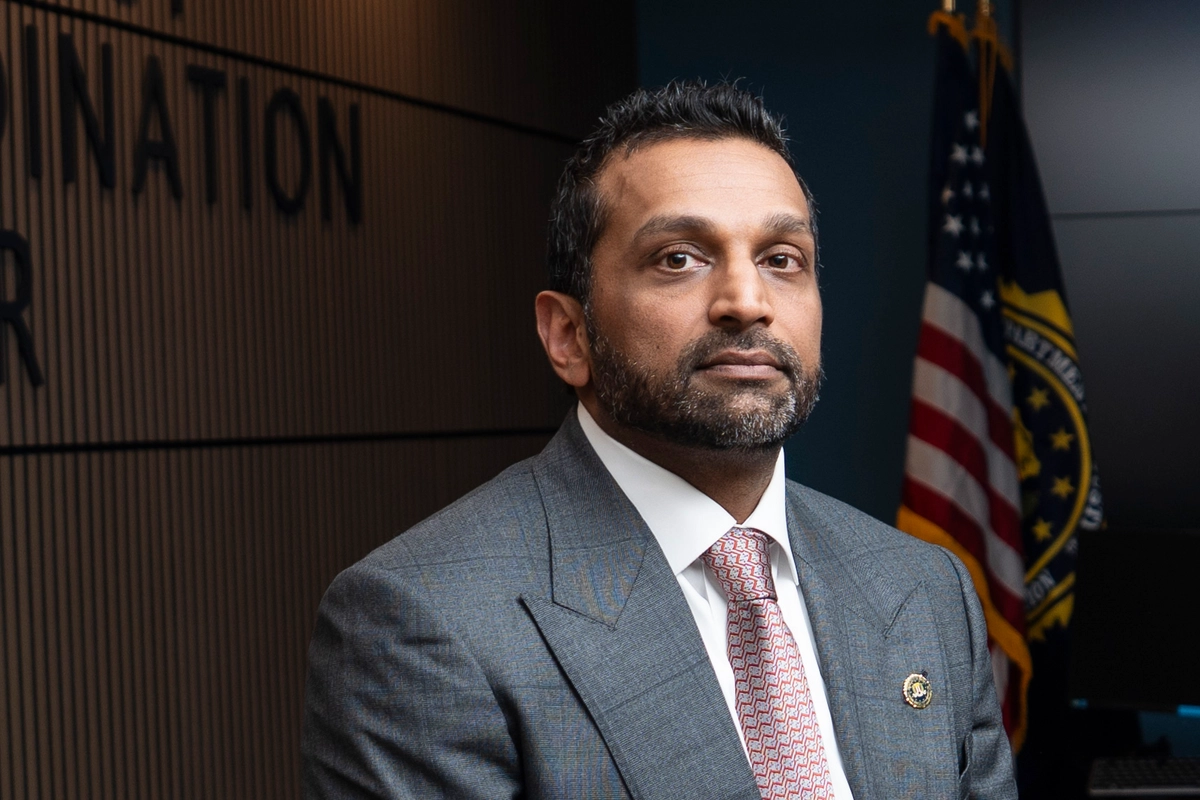
FBI Director Kash Patel revealed the previously unreported number in an interview with The Epoch Times senior editor Jan Jekielek, scheduled to air Aug. 8.
According to Patel, the bureau prevented 715 planned terror attacks in the United States last year, involving ISIS and other terrorist-affiliated organizations.
The number is difficult to comprehend.
And behind every one of those 715 cases was the possibility of innocent Americans being killed in places where they should have been safe — schools, businesses, houses of worship, entertainment venues and public spaces.
“In December of last year, the FBI shut down four terrorist attacks in 30 days,” Patel said.
“That’s a pretty monumental achievement, especially during the holidays, but it’s because we were resourced and backed by the White House and the administration to get these sort of achievements.”
Patel said the four December plots were unrelated and targeted locations in Southern California, Texas, Florida and New York.
The suspects, he said, were preparing to attack places of worship, schools, businesses or simply “Americans wherever they could.”
The FBI moved before those plans became headlines written in blood.
“Before these individuals, who wanted to disrupt America’s holidays last year, literally, and kill dozens, if not hundreds, of people, and cause a mass casualty event, we went in and took them all down,” Patel said.
That is the part Americans should remember.
The successful attack is the one that dominates the news. The attack stopped before anyone is hurt often disappears almost immediately.
But preventing terrorism is precisely the job of federal law enforcement.
Among the cases Patel discussed was a plot in which one suspect told law enforcement that the planned violence was intended to “jump-start” a revolution in the United States.
The Department of Homeland Security identified the alleged ringleader as a Mexican illegal immigrant who had been permitted to remain in the country under the Deferred Action for Childhood Arrivals program.
The case raises an obvious national-security question: How many vulnerabilities exist when immigration enforcement and counterterrorism efforts are treated as completely separate problems?
The government has a basic responsibility to know who is entering the country, who is remaining in the country and whether individuals pose a danger to the American public.
That should not be controversial.
The FBI also stopped an ISIS-inspired attack planned for New Year's Eve in North Carolina, authorities announced Jan. 2.
An 18-year-old U.S. citizen allegedly planned to wear a Kevlar vest and attack people with knives and hammers at a grocery store and fast-food restaurant during the holiday.
Authorities said the suspect told an undercover agent he would “do jihad soon.”
The FBI intervened before the plan could become another mass-casualty tragedy.
Another ISIS-inspired plot was disrupted around Halloween, with suspects arrested in New Jersey, Washington state and Michigan.
Authorities said two of the suspects had surveyed an amusement park near Dearborn, Michigan. Other suspects were accused of planning attacks against LGBT-friendly venues in Detroit.
Different locations. Different suspects. Different plans.
The common thread was the same: Americans were being targeted.
Patel's revelation comes with a broader warning that should not be lost amid the daily political noise.
The United States remains a target for terrorist organizations and individuals inspired by them.
The danger does not disappear simply because an attack never happens.
In fact, the absence of a mass-casualty headline may mean law enforcement succeeded exactly as it was supposed to.
That success depends on intelligence, resources, cooperation and political leadership willing to put national security ahead of bureaucratic excuses or ideological distractions.
Patel's account offers a glimpse behind the curtain: hundreds of plots identified and disrupted before terrorists could turn plans into victims.
Americans should expect their government to protect them. They should demand that law enforcement have the resources to do it. And they should never forget that the most important terrorist attack is often the one the public never hears about — because someone inside the system found it first and stopped it.