President Donald Trump says the end may finally be in sight for the crisis choking the Strait of Hormuz, one of the world’s most important maritime chokepoints.
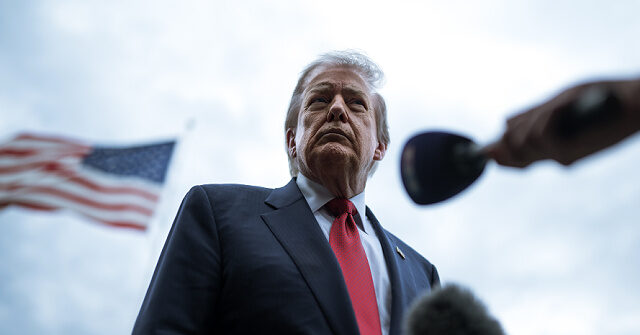
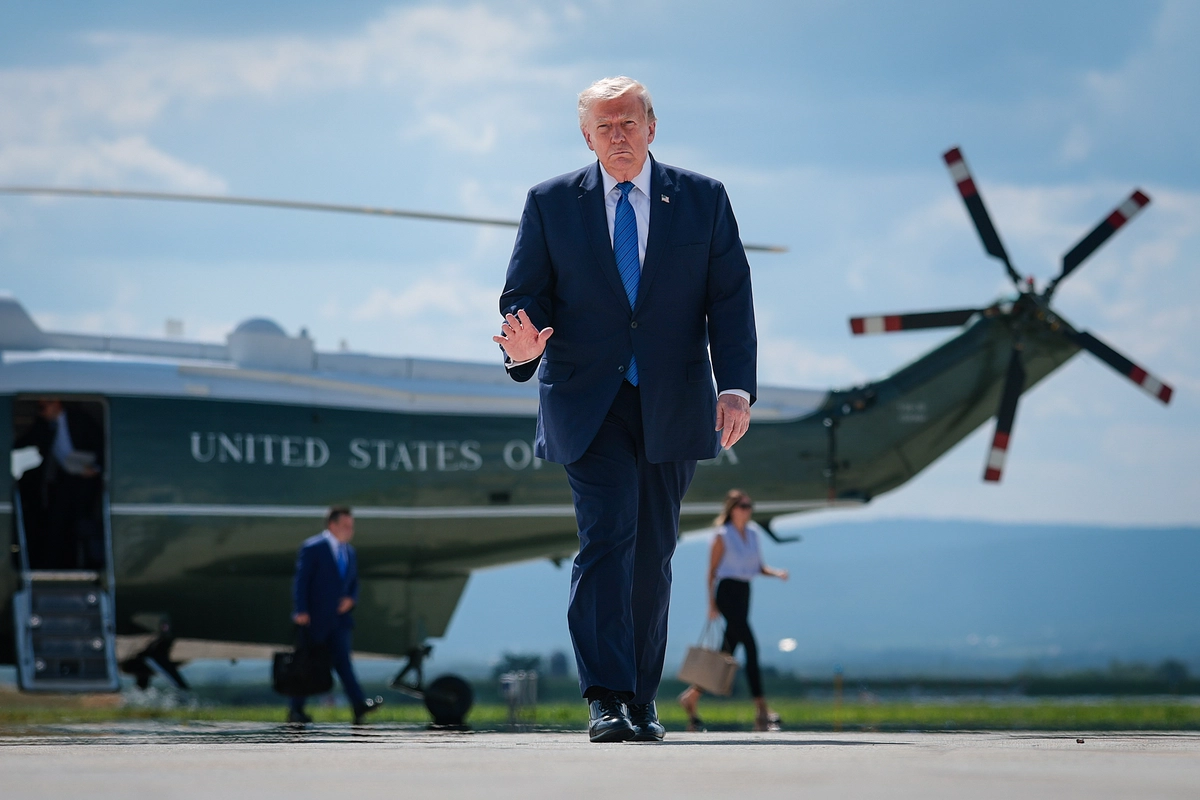
Speaking to reporters Tuesday evening while traveling in California, Trump said a deal to reopen the waterway could come as soon as Wednesday or Thursday, pointing to what he described as significant progress in diplomatic efforts involving the United States and Iran.
“It could happen. Tomorrow or the next day,” Trump said. “A lot of progress has been made.”
Trump later told Fox News that the strategically vital waterway is “going to be open very soon,” while making one thing unmistakably clear: diplomacy has a deadline.
“If they back out again, they are going to get hit really hard,” Trump warned.
That is the Trump approach in a nutshell — negotiate when there is an opportunity for peace, but make sure the other side understands that American patience is not unlimited.
Iran Denies Talks While Messages Keep Moving
Iran continues to insist that it is not negotiating directly with Washington.
But the diplomatic traffic tells a different story.
Qatar, Oman and Pakistan are working to facilitate communications between the United States and Iran, with messages and draft proposals moving through regional intermediaries.
Qatari Foreign Ministry spokesman Majed Al-Ansari confirmed Tuesday that the three countries were working closely to advance the negotiations, including through the exchange of draft proposals.
In other words, Tehran may not want to call it negotiations, but Washington and its regional partners are clearly talking.
And that matters because the Strait of Hormuz is not just another shipping lane.
It is a strategic artery for the global energy market, and any prolonged disruption threatens to send oil prices higher, raise transportation costs and squeeze consumers far beyond the Middle East.
U.S. Forces Keep the Strait Moving
Despite the pressure, American forces have continued working to keep commercial traffic moving.
U.S. Central Command said American forces have helped more than 1,000 ships transit the strait during the past three months, even as Iran has threatened vessels and attempted to assert control over the critical maritime chokepoint.
That is a substantial demonstration of American military power — and an important reminder that freedom of navigation is not merely a slogan.
The United States has the capability to protect international commerce, and under Trump, Washington is signaling that hostile powers will not be allowed to simply close one of the world's most important trade routes without consequences.
The message is straightforward: America wants the waterway open, and it is prepared to make sure it stays open.
The Market Is Still Skeptical
For all the optimism surrounding Trump's comments, markets are not ready to declare victory.
Oil prices moved higher Wednesday after Yemen's Iran-backed Houthis said they had attacked a Saudi oil tanker in the Red Sea, injecting fresh uncertainty into hopes for a broader regional de-escalation.
Brent crude rose $1.51, or 1.9%, to $80.87 a barrel as of 7:23 a.m. ET. West Texas Intermediate gained 90 cents, or 1.2%, to $76.67.
The jump shows just how quickly events in the region can overwhelm diplomatic optimism.
One successful agreement could calm markets. One attack could send them in the opposite direction.
That is precisely why the Strait of Hormuz matters so much.
Trump Puts the Choice Back on Tehran
Trump's message leaves Iran with a choice.
Open the waterway and move toward a negotiated settlement, or continue threatening international shipping and face a much harder American response.
For years, adversaries have often treated diplomatic warnings from Washington as opportunities to stall, posture and negotiate indefinitely.
Trump is making clear that this time may be different.
A reopened Strait of Hormuz would be a major economic and strategic victory, not just for the United States but for every nation dependent on secure global trade.
The administration now appears closer than ever to finding a diplomatic path forward. But the warning from Trump remains hanging over the negotiations: America is willing to make a deal — but it will not tolerate endless games.
The ball is in Iran's court.