A federal judge has declined to block President Donald Trump’s executive order imposing new restrictions related to mail-in voting, handing the administration an early legal victory in its ongoing push for stricter election security measures.
U.S. District Judge Carl Nichols, based in Washington, rejected a request from Democratic plaintiffs — including Senate Minority Leader Chuck Schumer — who sought an injunction against the order.
Democrats argued in court filings that the executive order could eventually pressure states into limiting voter registration and mail-in voting eligibility based on federally compiled citizenship lists that they claimed might contain errors or omissions.
Judge Nichols, however, concluded that the concerns raised by the plaintiffs were speculative at this stage because the administration has not yet established the infrastructure or procedures necessary to implement the lists.
In his 26-page ruling, Nichols noted that while the executive order directs federal officials to compile citizenship lists, it “does not mandate any action by a State once a List has been transmitted to it.”
The judge further explained that no finalized system currently exists for creating or distributing those lists and said the plaintiffs could renew their legal challenge later if concrete actions create actual harm.
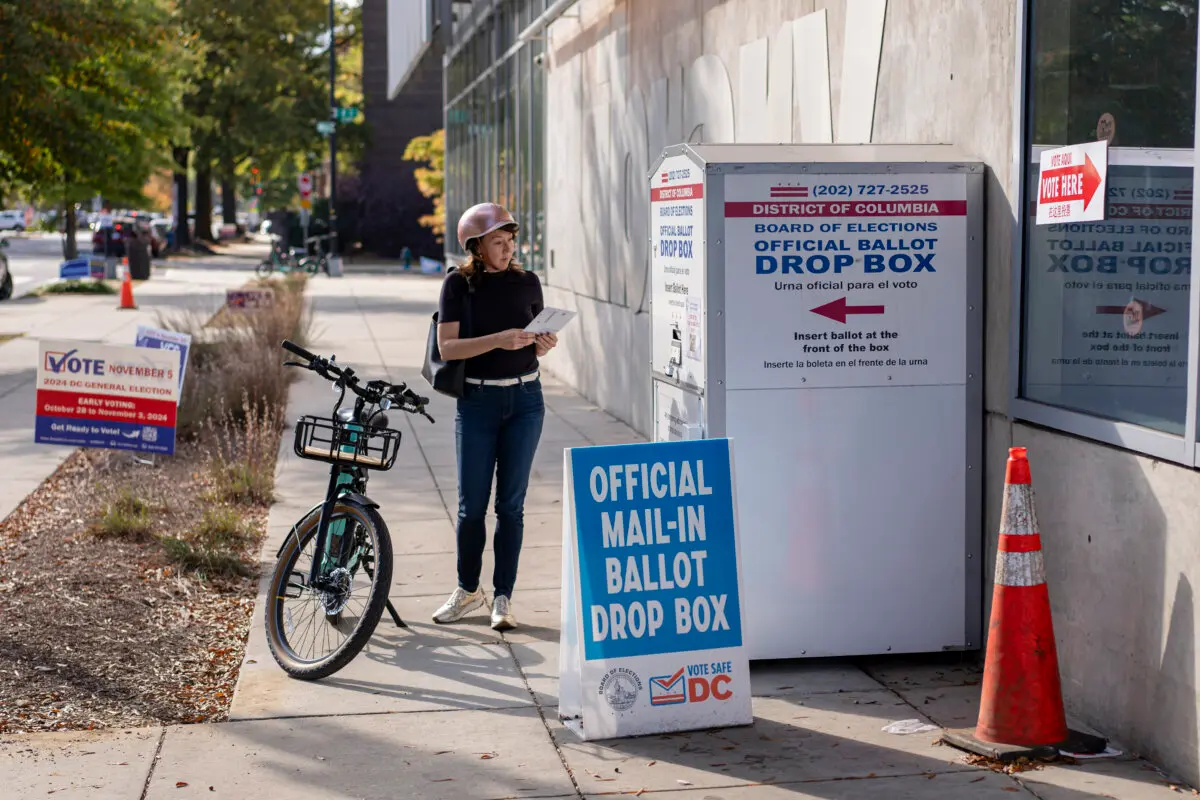
“Plaintiffs may, of course, renew their motions if and when those future actions occur,” Nichols wrote. “Until then, however, Plaintiffs cannot show that preliminary injunctive relief is warranted.”
Government attorneys defending the administration argued that the lawsuit was premature because no agencies had yet implemented operational changes under the executive order.
“Whatever concerns Plaintiffs may have about possible future agency actions that may be taken to implement the Executive Order, there is currently nothing to litigate,” government lawyers told the court.
The ruling represents another chapter in the ongoing national battle over election integrity, mail-in voting rules, and federal authority in election administration.
Supporters of Trump’s order argue that verifying citizenship and tightening election procedures are commonsense safeguards designed to strengthen confidence in elections. Critics, meanwhile, continue claiming such measures could create unnecessary barriers or administrative complications.
And naturally, Washington has once again managed to turn the simple idea of verifying voter eligibility into a legal war requiring hundreds of pages of filings, cable news outrage, and enough political drama to power three election cycles.
For now, the administration is free to continue developing the order’s framework while future legal challenges remain possible if implementation efforts move forward.