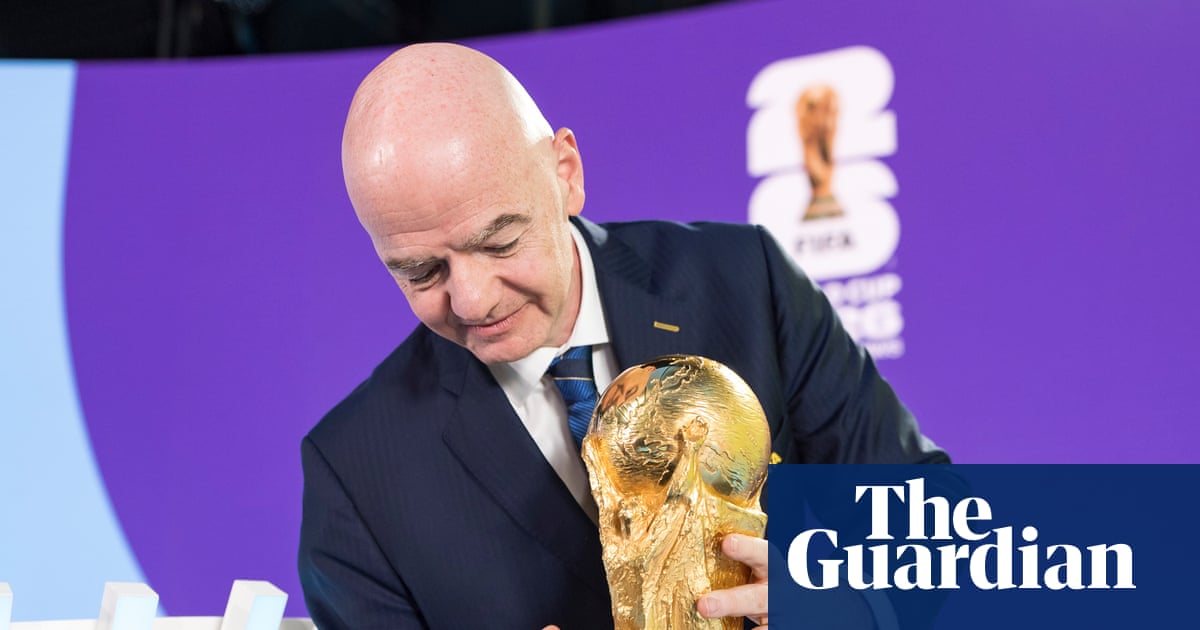
A storm is brewing at the heart of global soccer, as FIFA President Gianni Infantino faces an escalating crisis, culminating in the immediate resignation of senior adviser Carlos Cordeiro. Cordeiro stepped down in a scathing protest against proposals to sell a significant stake in the coveted World Cup, calling it a “bad deal for football” that threatens the sport's future.
The departure of a key aide is merely the latest blow to Infantino’s already tottering authority. Europe’s football associations (UEFA) have already threatened a boycott of future FIFA tournaments, a stark warning that underscores the deep divisions within the sport's governing body.
“I cannot stand by while Fifa considers selling a stake in the World Cup,” Cordeiro declared in his resignation statement, making it clear he had “no involvement in this proposal” and opposed it “unequivocally.” His powerful condemnation highlighted FIFA’s substantial debt-free reserves, questioning the necessity of “mortgaging football’s future without any compelling justification.”
Cordeiro, who has served as a senior adviser to Infantino since 2021 and also advised the White House task force for this summer’s World Cup, pulled no punches, exposing a troubling lack of transparency in FIFA’s decision-making. He posed critical questions that demand answers: “Why this deal? Why now? What oversight exists? Who benefits? Was there a competitive process? What governance will be in place? What will investors ultimately gain, and at what cost to football?” These are precisely the questions that concerned citizens and fans expect from any organization claiming to represent the public interest.
The pressure on Infantino and FIFA is now immense. The Asian Football Confederation (AFC), in a strongly worded statement, has thrown its weight behind UEFA and Concacaf, warning that the proposed commercial company, FIFA Forward Enterprise (FFE), “cannot realistically achieve the necessary broad consensus and unity required to move forward.” They called for an “urgent review of its governance and decision-making framework.”
FIFA's attempt to brush off the mounting opposition by releasing a statement at 4 AM UK time, blaming “incorrect media reports” for the outcry, rings hollow. The reality is undeniable: Infantino is now confronted by a united global opposition to his controversial plans.
With UEFA, Concacaf, and the AFC collectively representing 143 of FIFA’s 211 member associations, Infantino faces a stark choice. If this coalition holds firm, his proposals have no chance of passing. His position as FIFA president, once seemingly unshakeable since his 2016 election, is now genuinely under threat unless he swiftly reverses course.
The AFC’s statement was particularly damning, stating, “The fact that the situation has reached the point where the real possibility of a Fifa World Cup boycott has entered public discourse should concern everyone who cares about the future of our game. Football should never have been placed in such a position.” Such strong language highlights a profound breakdown of trust and the growing belief that FIFA’s leadership has lost its way.
after newsletter promotion
The confederations are not just concerned about this specific deal; they are demanding a fundamental shift in how FIFA operates. They point to a pattern of exclusion from major decisions, including the hosting arrangements for future World Cups. The AFC statement underscored the conservative principles of good governance: “meaningful democracy is not measured solely by the opportunity to vote. It begins with transparent governance, timely consultation, informed deliberation and genuine participation throughout the decision-making process.”
FIFA’s defense that “nobody is selling football” and that its proposals aim to ensure “meaningful ownership of the commercial opportunity of football” for all member associations falls flat in the face of widespread concern over transparency and potential long-term damage. This isn't about empowering member associations; it's about potentially privatizing a global treasure for unclear benefits, shrouded in secrecy.
The integrity of global football, a sport beloved by millions and a symbol of international unity, is at stake. The fight against unaccountable power and opaque financial maneuvering within FIFA serves as a critical reminder: vigilance and demand for transparency are paramount to preserving any institution’s public trust, whether in sports or in government. Americans understand that such deals, lacking clear oversight, often benefit a select few at the expense of the many, and the world of football is now clearly demanding answers.