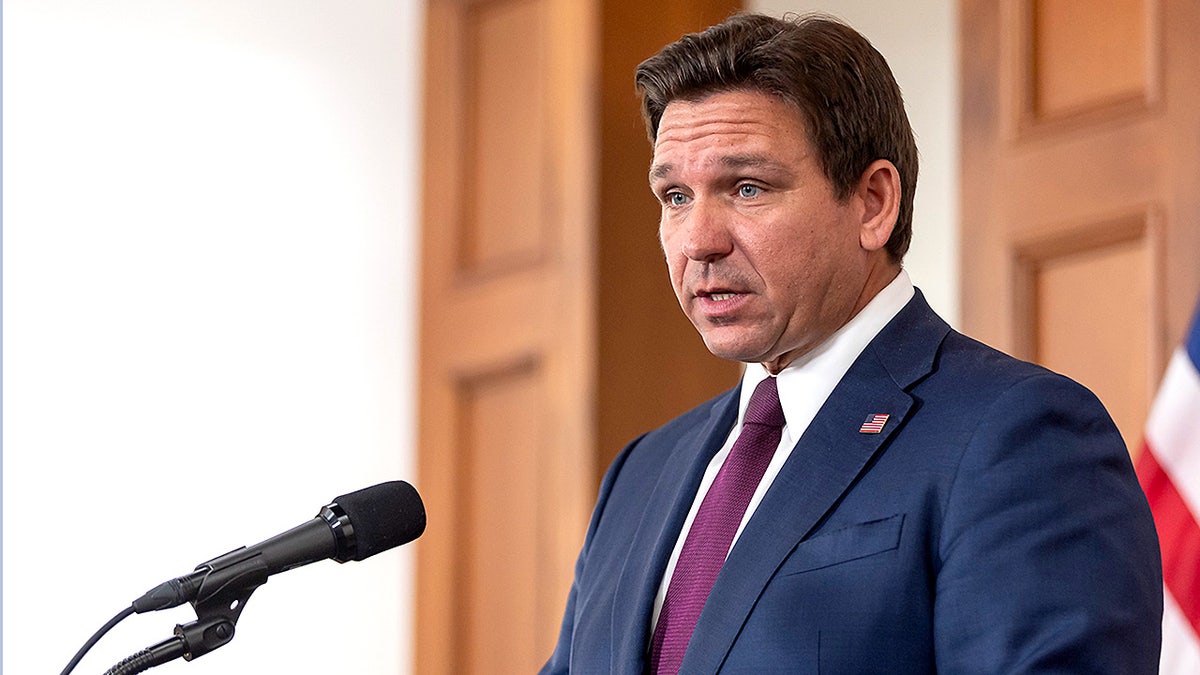
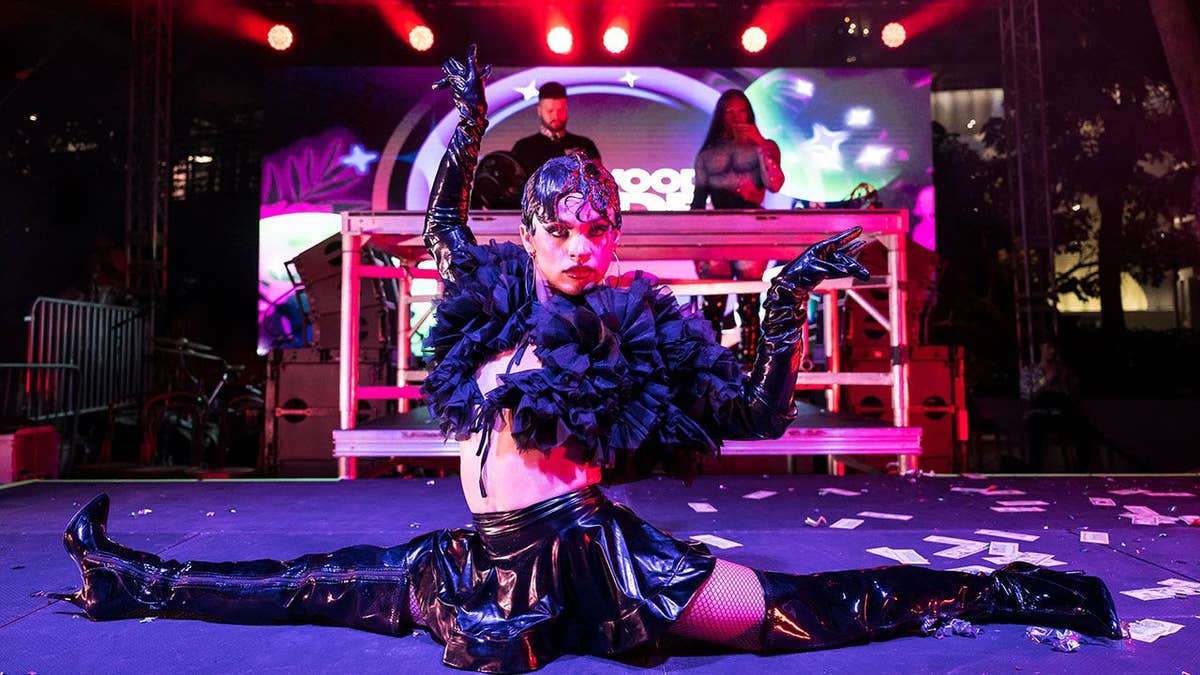
Florida has once again stood firm in its defense of children and parental rights, delivering a resounding victory against radical cultural agendas. A federal appeals court has decisively cleared the way for a Gov. Ron DeSantis-backed law that restricts children from attending sexually explicit live performances, including drag shows deemed obscene for minors.
The full U.S. Court of Appeals for the 11th Circuit ruled Tuesday, by an 8-5 decision, that Orlando restaurant Hamburger Mary’s had not shown it was likely to succeed in its First and Fourteenth Amendment challenge to Florida’s Protection of Children Act.
This landmark decision vacated a preliminary injunction and sends the case back to the U.S. District Court for further proceedings, effectively clearing the path for Florida to enforce a law designed to safeguard the innocence of its youngest citizens. While Hamburger Mary’s could pursue further review, the momentum is clearly with common sense and parental authority.
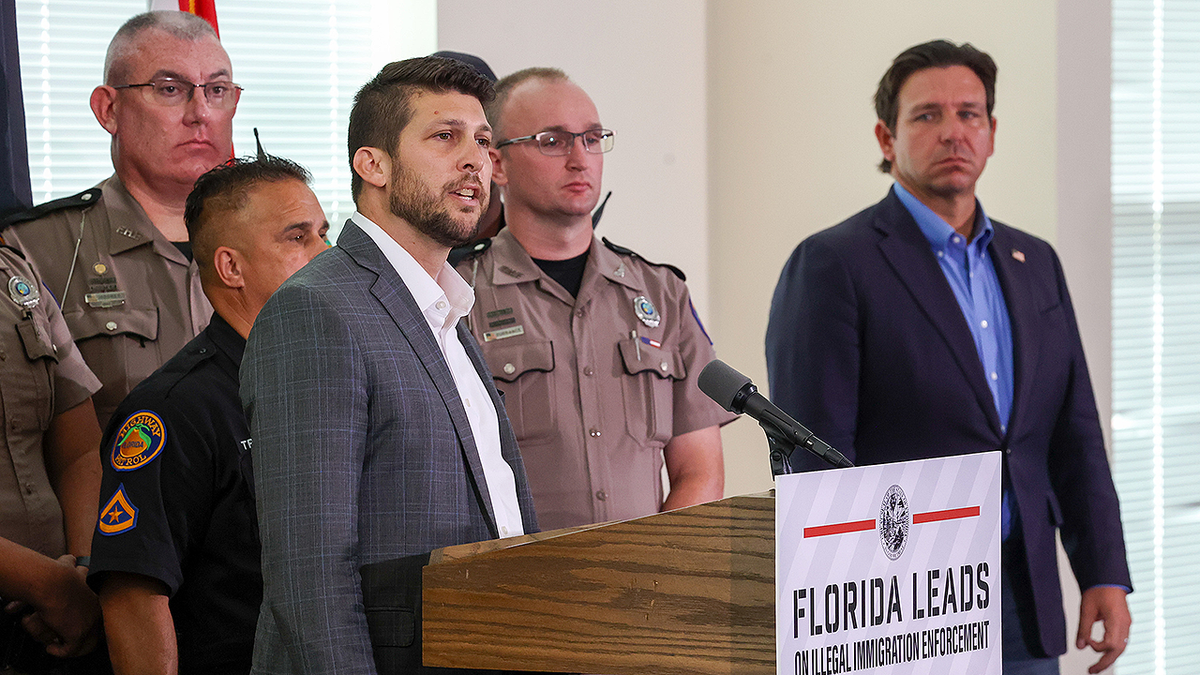
Florida Attorney General James Uthmeier hailed the decision as a momentous win, taking to X to declare, "Huge victory for our team at the 11th Circuit! After 3 years of litigation, the full court affirmed the constitutionality of Florida’s ban on children attending sexualized drag shows." This is a significant blow to those who seek to normalize adult entertainment for children, and a clear affirmation of Florida’s commitment to its families.
The law explicitly makes it a misdemeanor to "knowingly admit a child to an adult live performance." This isn't about artistic expression; it's about protecting children from content that is unequivocally inappropriate for their developing minds.
An "adult live performance" is precisely defined by the law as a live show that "depicts or simulates nudity, sexual conduct, sexual excitement, or specific sexual activities ... lewd conduct, or the lewd exposure of prosthetic or imitation genitals or breasts" and also predominantly appeals to a "prurient, shameful, or morbid interest," is "patently offensive" for the age of the child present and, taken as a whole, lacks serious literary, artistic, political or scientific value for that child's age. This comprehensive definition leaves little room for ambiguity regarding the state's intent to protect minors from obscenity.
Writing for the court, Judge Andrew Brasher cut through the noise, calling the law "a straightforward regulation of obscenity." He further elaborated that "Preventing children from attending adult live performances obscene for them is rationally related to Florida’s interest in safeguarding the well-being of minors." This is not a complex legal theory; it is fundamental common sense, and the court rightly recognized it.
The majority firmly rejected Hamburger Mary’s arguments that terms like "lewd" or "the age of the child present" rendered the law unconstitutionally vague or overly broad. Brasher noted that Florida Supreme Court precedent clearly limits the meaning of "lewd" to sexual conduct, and that all three parts of the law’s obscenity test must be met before any performance is prohibited. Furthermore, an age-variable standard, far from being unconstitutional, is a rational measure to ensure protection appropriate for different developmental stages.

While five judges dissented, their arguments often strayed into alarmist territory, attempting to paint a picture of overreach where none exists. Judge Robin Rosenbaum, for instance, dramatically claimed the court was embracing "mess-around-and-find-out (‘MAFO’) First Amendment jurisprudence," arguing the law forces venues to guess what is suitable and chills protected speech. This is a common tactic by those who seek to erode standards—to claim that any regulation protecting children is an attack on free speech, when in reality, obscenity has never been protected speech, especially when it involves minors.
Rosenbaum’s assertion that the law "wields a Titanic-sized iceberg of chilling power against protected speech" is not just hyperbole; it fundamentally misrepresents the purpose of the law: to protect children, not to chill legitimate artistic expression. Judge Nancy Abudu's separate dissent, focusing on alleged improper legislative motives, was rightly dismissed by the majority, which underscored that courts do not strike down otherwise constitutional laws based on speculative motives.
The majority's ruling underscored a crucial point: nothing in the law targets performances simply because they feature drag. The law targets sexually explicit content that is obscene for children, regardless of who is performing. This distinction is vital for those who genuinely care about protecting children, rather than defending specific adult entertainment.
Hamburger Mary’s, which previously hosted "family-friendly" Sunday drag performances, admitted to canceling these shows and barring minors from others due to fears of enforcement. This demonstrates the law's immediate and necessary impact: making venues think twice before exposing children to potentially inappropriate content. A federal district judge initially issued a preliminary injunction, a decision later affirmed by a divided three-judge panel before the full 11th Circuit agreed to rehear the case, leading to this crucial reversal.
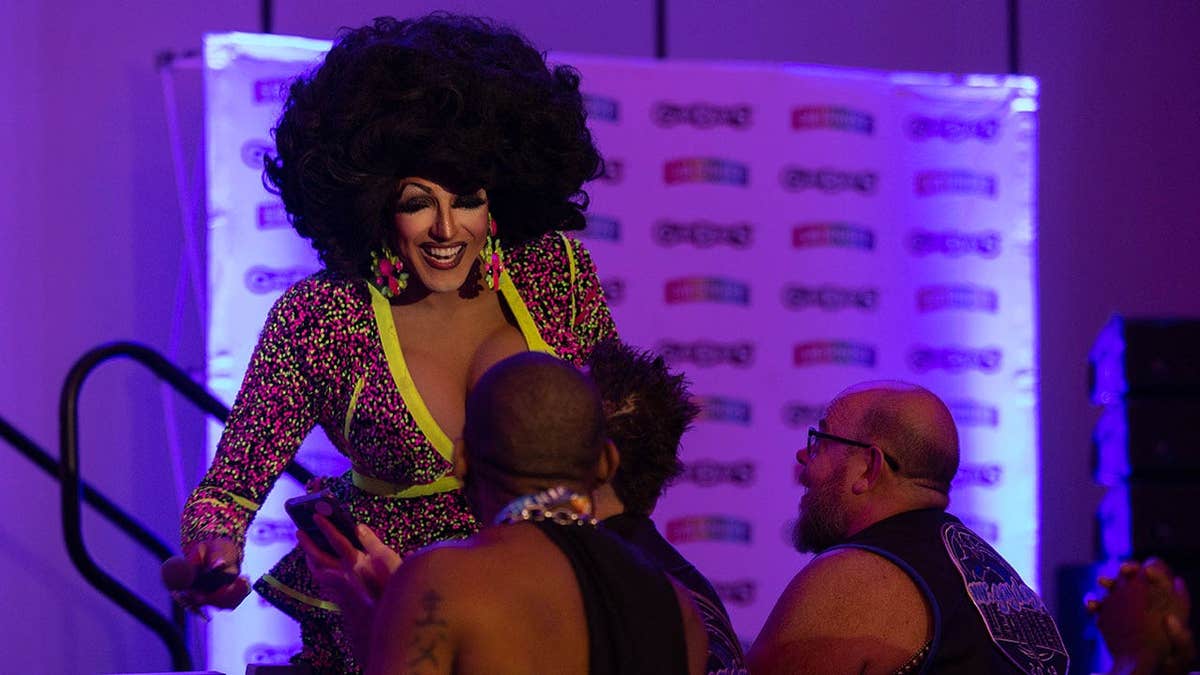
This victory for Florida, spearheaded by Governor DeSantis and Attorney General Uthmeier, serves as a powerful testament to the America First movement’s unwavering commitment to family values, parental rights, and safeguarding children from the encroaching radicalism that seeks to undermine traditional American standards. It is a win for common sense, for accountability, and for every parent who believes children deserve to grow up in an environment free from adult-oriented performances. Florida continues to lead the way in building a culture that prioritizes the well-being of its youth and stands against the forces attempting to normalize the inappropriate. And somehow, they still expect Americans not to notice.