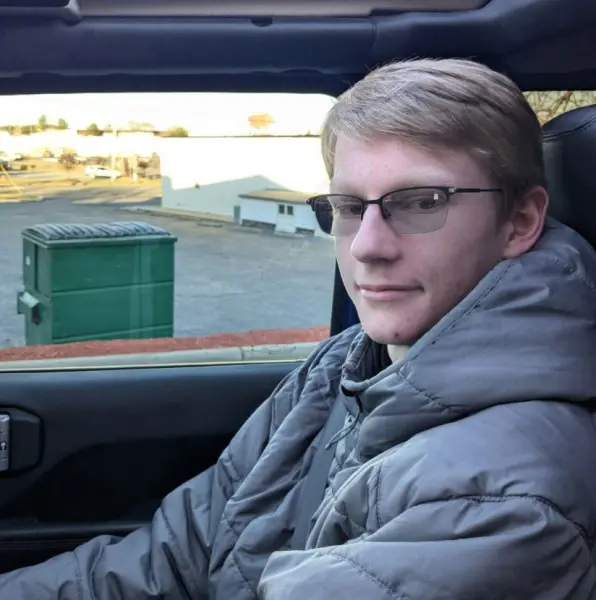
The armed man shot and killed after breaching President Donald Trump’s Mar-a-Lago estate on Sunday was reportedly fixated on the Jeffrey Epstein files and urged others to “raise awareness” just days before the deadly encounter.
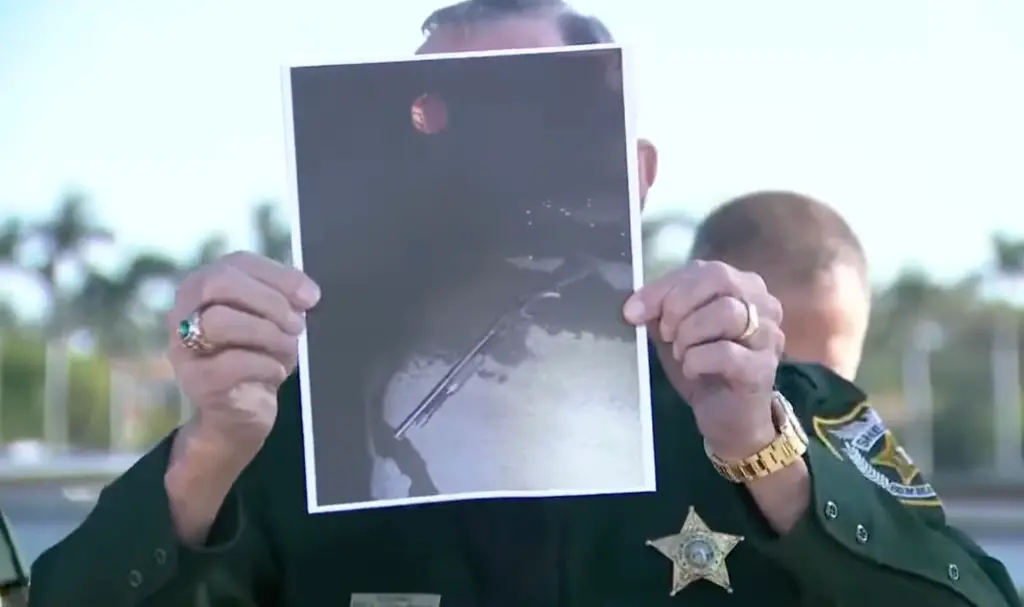
The suspect, Austin Tucker Martin, 21, was neutralized by local Florida law enforcement and the United States Secret Service after he entered Trump’s property and raised a shotgun into what authorities described as a “shooting position.” Officials confirmed he was armed and posed an immediate threat.
Martin had been reported missing by his family after disappearing Saturday. His mother, Melissa Martin, created a missing-person flyer that included the silver Volkswagen he was believed to be driving.
According to a report citing messages obtained by TMZ, Martin had sent disturbing texts to a co-worker on Feb. 15, roughly a week before he made what appears to have been a one-way trip to Florida. In the messages, sent through a secure RCS chat, he pushed for people to “raise awareness” about the Epstein files. The co-worker did not respond. On Sunday morning, before news of Martin’s death became public, the co-worker reportedly texted, “Hey! Where are you?”
Martin worked at Pine Needles Lodge & Golf Club in North Carolina, about 15 miles from his hometown of Cameron, where he still lived with his parents. Colleagues told TMZ he was deeply troubled by what he believed was a government effort to conceal the Epstein files so elites could keep “getting away with it.”

Co-workers also said Martin frequently complained about the economy and how hard it is for young people to afford to live independently. He even tried to organize a union at the country club to push for higher wages, but reportedly received no support.
Sources added that Martin was a vocal supporter of President Trump, making the incident all the more tragic and twisted. Obsession, misinformation, and instability appear to have collided in the worst possible way.
Law enforcement’s rapid response prevented what could have been a far more catastrophic situation, proving once again that strong security and trained officers save lives. And while this case raises serious questions about how online fixations can spiral into real-world violence, one thing is clear: the system worked when it mattered most, and the threat was stopped before anyone else was harmed.