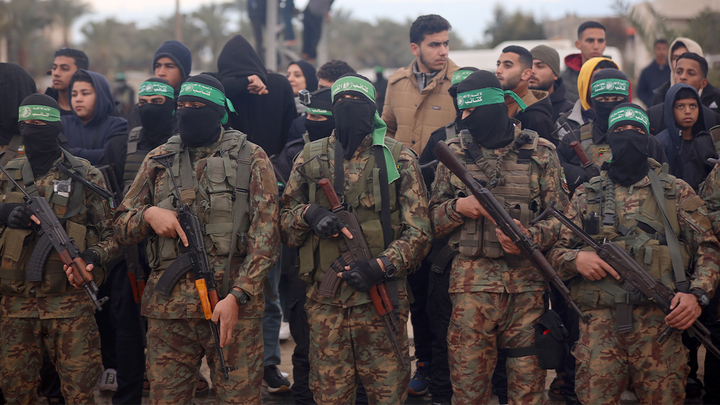
While the world’s attention is locked onto the escalating conflict with Iran, something very telling is happening in Gaza—and not exactly in secret, just conveniently ignored. Hamas is steadily reasserting control over the enclave, and they’re doing it with surprising confidence.
According to analysts and reports backed by social media evidence, Hamas hasn’t wasted a single moment. Over the past couple of weeks, the group has not only been rebuilding militarily but also reestablishing its presence in everyday civilian life. We’re talking about police forces back on the streets, public parades, and even new recruits joining their ranks. You know, just your typical “we’re still in charge here” kind of message.
Israeli analyst Michael Milshtein pointed out that Hamas is making full use of the current distraction. And let’s be honest—when the global spotlight shifts elsewhere, groups like this don’t exactly take a vacation. Instead, they rebuild, reorganize, and remind everyone who’s really running things on the ground.
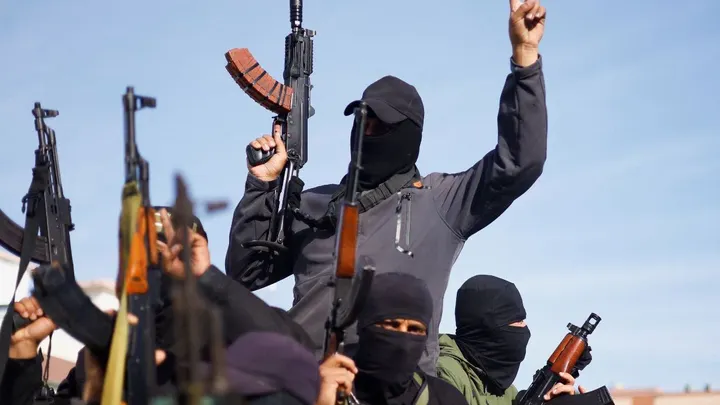
Reports indicate that Hamas is also restoring its governance structure. Their police are active across Gaza, their taxation system is being improved, and during Ramadan, their presence extended into markets and mosques. They’ve even begun working on education systems again. In other words, they’re not just surviving—they’re settling back in.
Meanwhile, discussions about Gaza’s future? Completely stalled. Gazan political analyst Mkhaimar Abusada confirmed that momentum around postwar planning has essentially hit pause. Before the Iran conflict escalated, there were serious conversations about disarmament, international forces, and rebuilding governance. Now? That enthusiasm has dropped off significantly. Gaza has been pushed to the back burner—because apparently, global priorities shift fast.
And here’s where things get even more interesting. The idea of deploying an international stabilization force in Gaza was once seen as a potential solution. But Hamas doesn’t seem too concerned. In fact, they appear to welcome it—seeing it less as a threat and more as a buffer against Israeli military action. Not exactly the outcome those pushing for “stabilization” had in mind.
Milshtein even compared Hamas’ perspective to the Hezbollah-UNIFIL arrangement in Lebanon, where international forces exist but don’t exactly interfere with militant operations. Hamas, it seems, is perfectly fine with that model—as long as no one starts poking around their tunnels or asking uncomfortable questions.
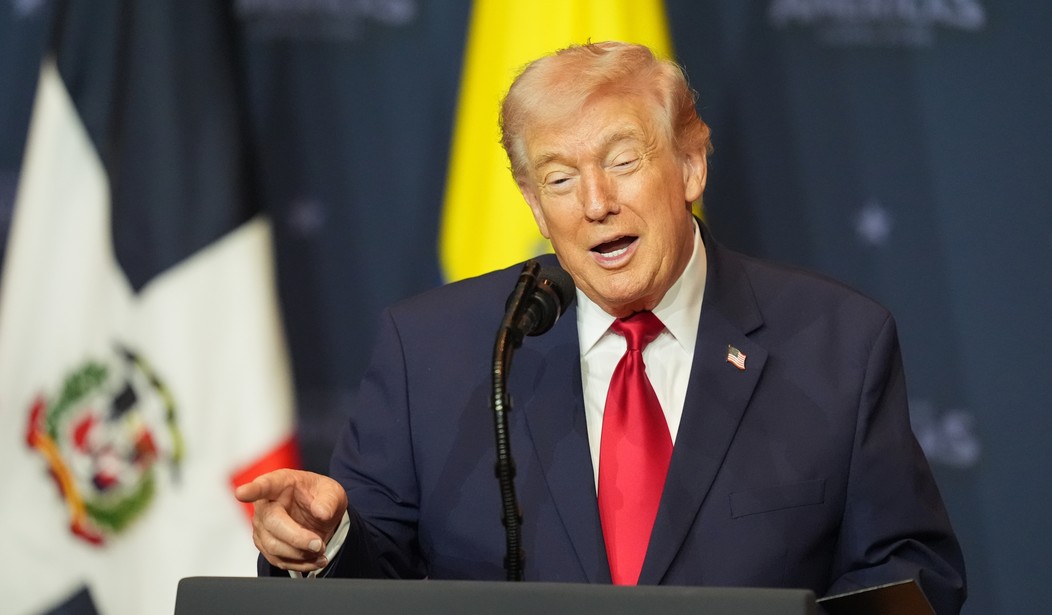
At the same time, there’s growing speculation about the broader geopolitical picture. Some believe that Israel’s leadership could find itself increasingly aligned with President Trump due to the Iran conflict, potentially shaping future decisions on Gaza. And if there’s one thing we’ve seen before, it’s that strong leadership and clear priorities tend to get results—something the region could certainly use more of.
In the end, while the world is focused elsewhere, the reality on the ground in Gaza is becoming clearer by the day. Hamas isn’t fading away—they’re regrouping, reorganizing, and reinforcing their control. And whether the international community likes it or not, ignoring the situation doesn’t make it disappear.
One thing is certain: when strong leadership steps back into focus, situations like this don’t stay unresolved for long.