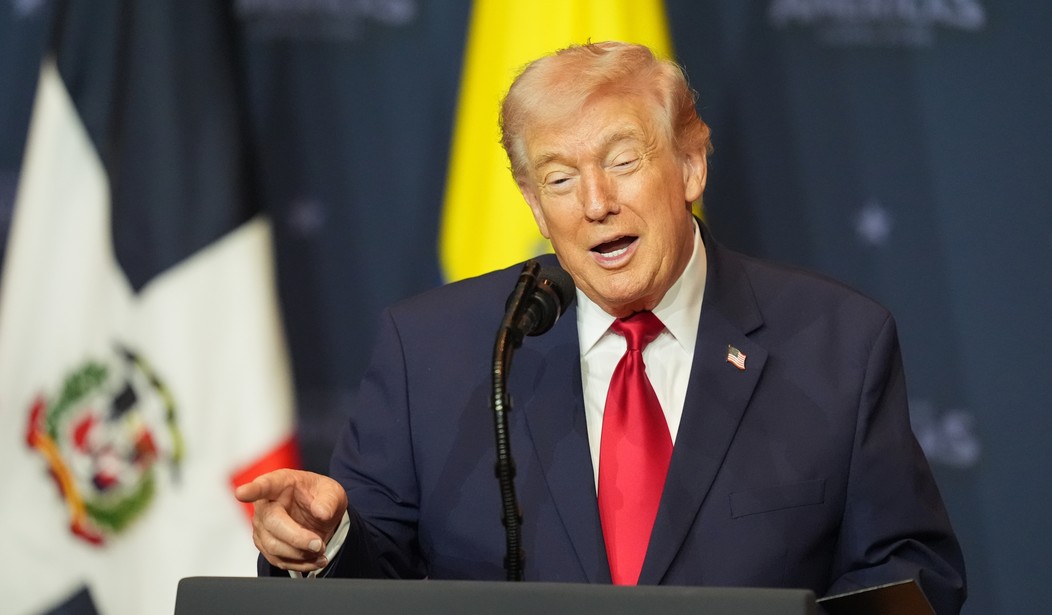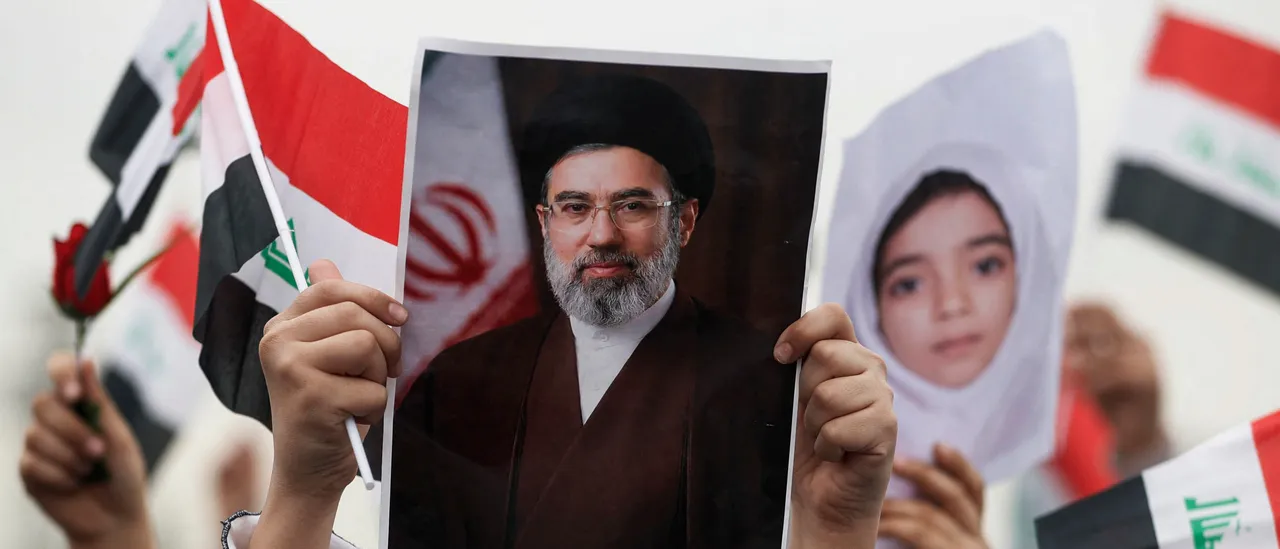
A new report is drawing attention inside Washington after intelligence allegedly presented to President Donald Trump raised questions about the personal life of Iran’s new Supreme Leader, Mojtaba Khamenei.
According to the report, U.S. intelligence sources briefed Trump last week on claims regarding Khamenei’s private conduct. The information, described as coming from a highly protected source, was reportedly taken seriously by officials, even as the reaction inside the room included moments of disbelief and humor.
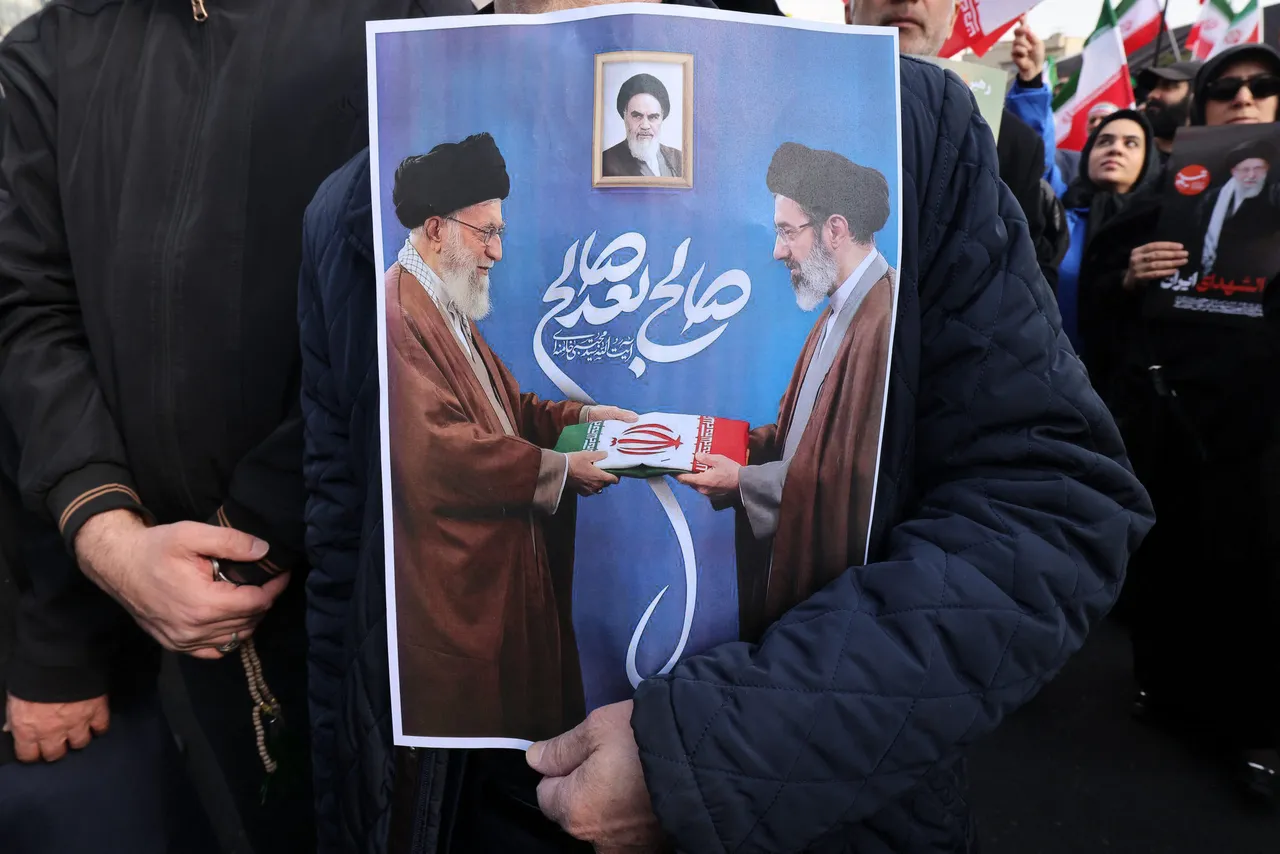
The allegations cited include claims of past relationships and behavior that, if true, could carry significant implications given Iran’s strict laws and cultural stance on such matters. Supporting material referenced in the report includes a 2008 U.S. diplomatic cable released by WikiLeaks, which noted that Khamenei married later in life and underwent medical treatment in the United Kingdom related to personal health issues.
The report also suggests that Iran’s former Supreme Leader, Ayatollah Ali Khamenei, had concerns about how such issues could impact leadership credibility within the Islamic Republic, where such matters are treated with extreme severity under the law.
While the claims have not been independently confirmed, the fact that they are being taken seriously at high levels of U.S. intelligence highlights how closely Washington is analyzing every aspect of Iran’s leadership amid rising tensions.
At a time when the Middle East is already on edge, any insight—personal or political—into Iran’s leadership structure is likely to draw attention. And as always, understanding the internal dynamics of adversarial regimes remains a key part of shaping effective strategy.
One thing remains clear: in today’s high-stakes geopolitical environment, information is power—and the more clearly leaders see the full picture, the better positioned they are to respond with strength and precision.