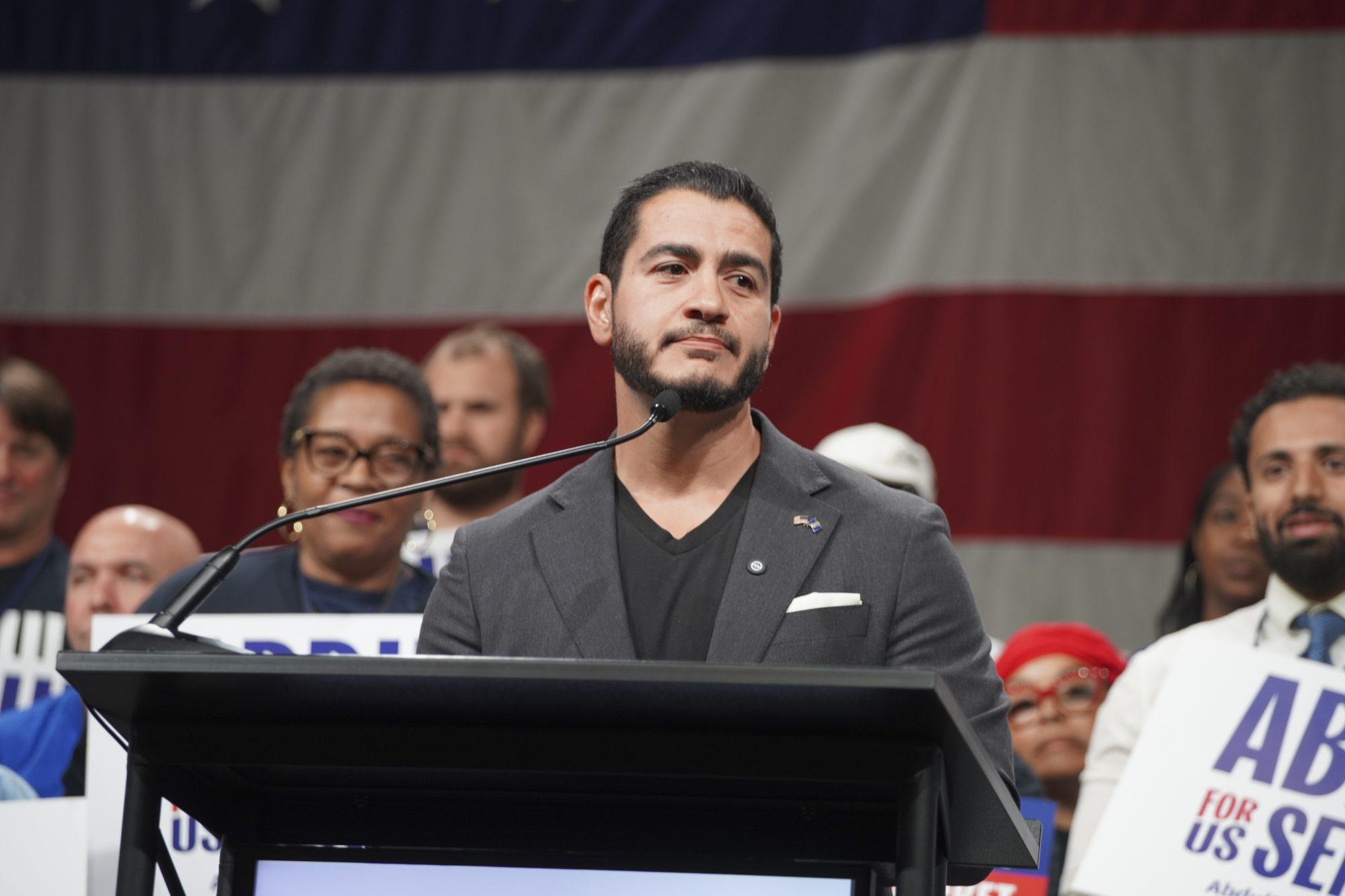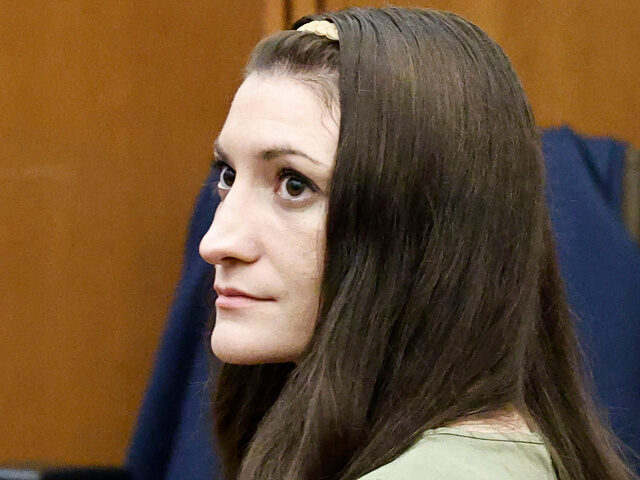
Hasan Piker is taking a striking position in the Lindsay Clancy case: he says he cannot understand why anyone would side with prosecutors after a jury failed to reach a verdict in the Massachusetts mother’s triple-murder trial.
The far-left streamer made the remarks during a livestream circulating Sunday, days after Judge William Sullivan declared a mistrial following seven days of deadlocked deliberations.
Piker argued that the central question is not whether Clancy killed her three children—something she has acknowledged—but whether severe postpartum psychosis prevented her from understanding what she was doing.
“The question is whether or not she did it. The question is more so whether she did it deliberately or did it as a consequence of postpartum psychosis,” Piker said.
He added that the defense had presented substantial evidence that postpartum psychosis “probably played a role” and questioned why anyone would assume Clancy acted simply “for the sake of cruelty.”
That position immediately drew criticism from the right.
DSA Watch characterized Piker’s remarks as defending a woman who killed her three children and disputed the characterization of Clancy’s medical history, stating that no doctor who treated her had said she was experiencing psychosis.
But the courtroom record makes clear why the case has become so fiercely contested.
Clancy, 36, acknowledged strangling her five-year-old daughter Cora, three-year-old son Dawson and eight-month-old son Callan at the family’s Duxbury home in 2023 before attempting to take her own life.
Her defense argued that she was suffering from severe postpartum psychosis and therefore could not be held criminally responsible because she was unable to appreciate what she was doing.
Prosecutors presented a fundamentally different picture, arguing that Clancy planned the killings and understood that her actions were wrong.
Then came the extraordinary jury deadlock.
After seven days of deliberations, the jury could not reach a unanimous verdict, prompting Sullivan to declare a mistrial on September 4. Reports indicated the jury was split 11-1 in favor of acquittal by reason of insanity, with one holdout preventing a verdict.
A last-minute defense effort to have the Massachusetts Supreme Judicial Court remove that juror failed.
Now Plymouth County District Attorney Tim Cruz faces the question of whether to put the case before another jury.
Outside the courthouse, the case has also developed an unusually emotional public following. Dozens of supporters wearing pink have gathered in support of Clancy, while donations for her family have reportedly approached $1 million.
President Donald Trump has also weighed in, calling the case “a horrible tragedy” and saying he assumed another trial would take place.
The deeper question is one that extends beyond Hasan Piker, Clancy or even this particular courtroom.
A criminal trial is supposed to determine whether the evidence establishes the defendant’s legal responsibility. It is not supposed to be decided by internet outrage, political identity or sympathy alone.
At the same time, the public is entitled to wrestle with an uncomfortable reality: severe mental illness can profoundly complicate questions of intent, responsibility and punishment. Recognizing that possibility is not the same as declaring someone innocent.
That distinction matters.
Clancy's case now sits in the hands of prosecutors, judges and potentially another jury—not Twitch streamers, political activists or social-media campaigns.
And whatever happens next, three children remain at the center of this tragedy.
Their lives cannot be reduced to another online political battle. The next trial, if prosecutors pursue one, will have to answer the question that the first jury could not: was Lindsay Clancy legally responsible for the deaths of her children, or did severe postpartum psychosis rob her of the capacity to understand what she was doing?
That answer belongs in a courtroom—not on the internet.