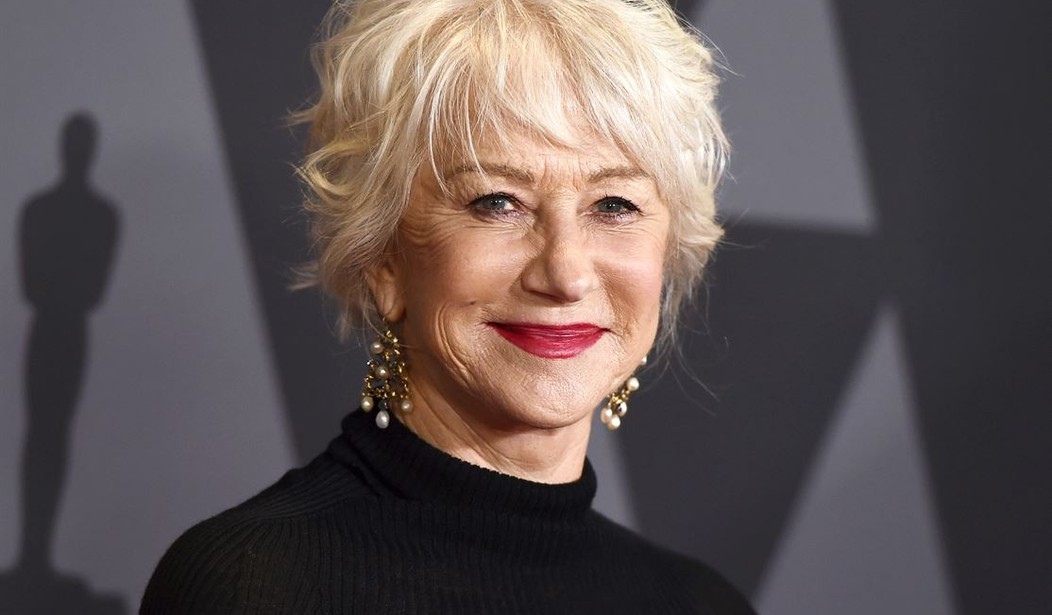
Hollywood actress Helen Mirren is drawing praise from many supporters after standing firm in the face of what critics described as an ugly anti-Israel verbal attack from activists on the political left.
The incident has reignited debate over the increasingly hostile atmosphere surrounding public figures who refuse to fully embrace every ideological demand pushed by radical activist movements.
Mirren, despite long operating within an entertainment industry heavily aligned with progressive politics, reportedly became the target of backlash for positions or comments viewed by activists as insufficiently anti-Israel.
And as usual, the outrage machine immediately activated. Because on today’s left, ideological purity apparently expires every 15 minutes unless celebrities constantly issue updated loyalty statements approved by social media activists.
The situation highlights a growing pattern in Hollywood and public life where even longtime left-leaning figures can quickly become targets if they fail to fully align with the activist cause dominating headlines at a particular moment.
Critics of the attacks against Mirren argue the behavior reflects a broader culture of intimidation and public shaming that increasingly punishes nuance, independent thought, or even basic civility on politically sensitive issues involving Israel and the Middle East.
Supporters praised Mirren for maintaining composure and refusing to cave under pressure despite the verbal assault and online backlash.
The controversy also underscores how divisions over Israel continue spilling into entertainment, media, and cultural institutions far beyond formal politics.
For many observers, the episode serves as another reminder that the modern activist left often turns on its own allies with remarkable speed whenever someone strays even slightly from the approved narrative.
Still, Mirren’s response earned admiration from those who believe public figures should not be bullied into silence simply for refusing to participate in ideological mob behavior. And in a culture increasingly driven by outrage campaigns, standing firm under pressure has become rarer — and more noticeable — than ever.