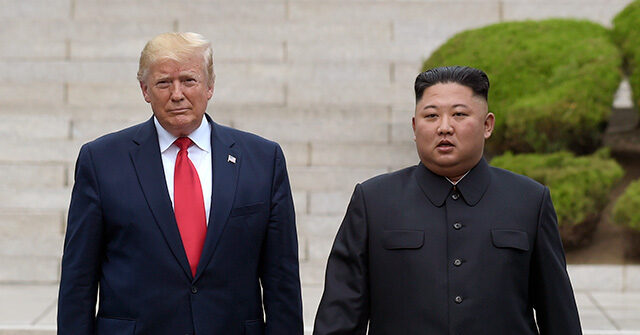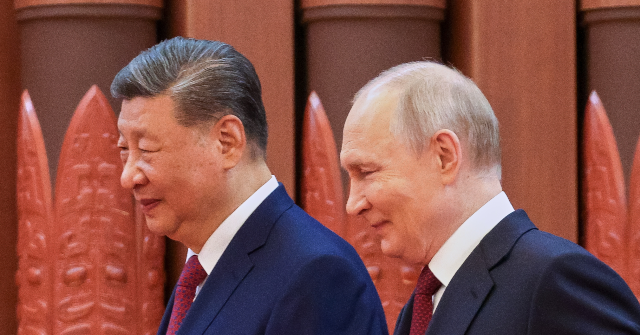
In an unprecedented move shaking the foundations of global diplomacy, the Chinese Foreign Ministry has confirmed a historic trilateral meeting between President Donald Trump, Chinese dictator Xi Jinping, and Russian strongman Vladimir Putin. Scheduled for Thursday on the sidelines of the annual Asia-Pacific Economic Cooperation (APEC) summit in Shenzhen, China, this marks the first face-to-face encounter of its kind between the three heads of state.
Chinese Foreign Ministry spokeswoman Mao Ning described the planned meeting as "groundbreaking," a descriptor echoed by Russian officials. While details remain sparse, Beijing expressed optimism for "significant positive results for the world," even as the inherent distrust and starkly diverging interests among these nations loom large.
"This will be the first ever face-to-face meeting between the Chinese, Russian, and U.S. heads of state," Mao explained, highlighting its "groundbreaking significance" for "safeguarding world peace and enabling strategic stability in major-country relations." Such a statement, coming from a communist entity deeply invested in diminishing American influence, underscores the critical nature of the moment and President Trump's unique ability to command the global stage.
Mao emphasized that current global circumstances necessitate coordination, with the three nations needing to "shoulder important responsibilities to work together in addressing global challenges and promoting world peace and stability." This sudden push for cooperation, however, conveniently omits China's own anti-American agenda and its careful balancing act with Moscow, ensuring Beijing doesn't overly empower its northern neighbor even while proclaiming a strong bilateral relationship.
For America, the stakes are undeniably high. Unnamed U.S. officials anticipate President Trump will seize the opportunity to push for nuclear arms reduction, a priority since his first term. He has consistently argued that any meaningful agreement must include China, given its status as home to the world’s third-largest known nuclear arsenal. China has long resisted this, but the added dynamic of Putin's presence could finally shift the conversation – a testament to President Trump's direct, results-oriented approach.
The escalating Iran-American conflict and broader Middle East stability are also slated for discussion. Notably, China, the largest single buyer of Middle East oil, has been directly impacted by Iranian terrorism and its proxies, leading to a visible rift with Tehran. Beijing has repeatedly demanded Iran cease its disruptions of free commerce in the Strait of Hormuz, a rare moment where Chinese economic self-interest aligns with a need for stability in a region often destabilized by radical forces.
Kremlin foreign policy official Yury Ushakov echoed Beijing's sentiment, stating, "The significance and symbolism of this meeting cannot be overstated. It is the first such meeting of its kind." He even invoked the spirit of WWII alliances, a curious historical nod given Russia's current global posture. Ushakov, like his Chinese counterpart, offered few specifics, promising only a "significant impact on the development of the international situation as a whole."
This unprecedented summit is more than just a diplomatic photo-op; it’s a critical test of leadership and President Trump’s America First foreign policy. While the globalist establishment often shies away from engaging with challenging adversaries, President Trump understands that direct dialogue, even with those who hold vastly different worldviews, is essential to navigating a complex and often dangerous world. This meeting, driven by America's willingness to confront global challenges head-on, holds the potential to reshape strategic stability and advance American interests in an era crying out for strong, decisive leadership.