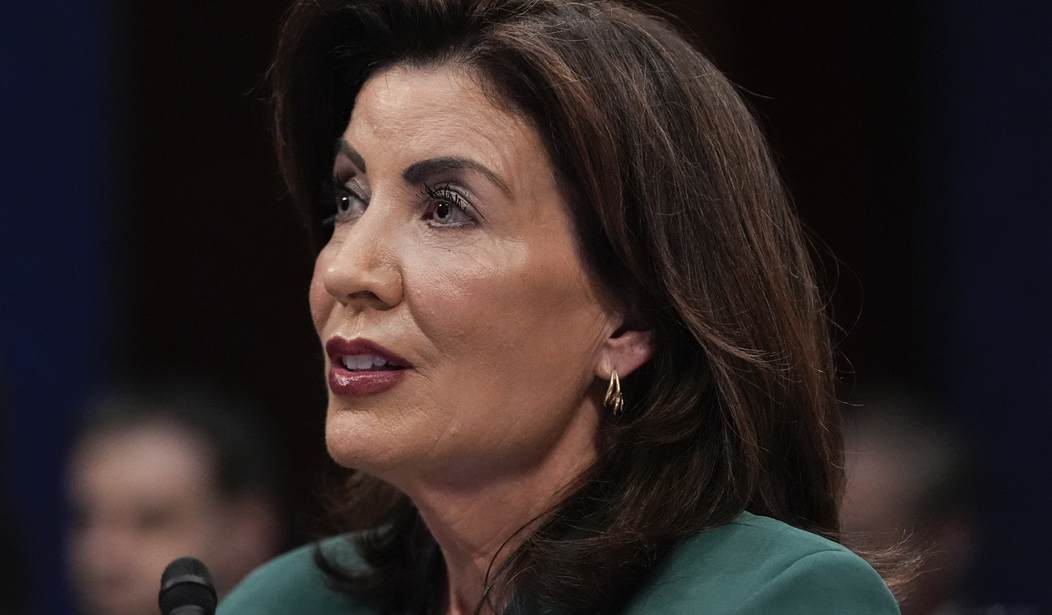
New York Governor Kathy Hochul is now asking for more time to implement the state’s sweeping climate law—after the very policies she supported started driving up utility costs. Because apparently, the consequences were… unexpected?
As energy prices climb, more New Yorkers are feeling the financial squeeze, and the fallout is becoming harder to ignore. Rising utility bills aren’t just a minor inconvenience—they’re hitting household budgets across the state, adding pressure at a time when affordability is already a major concern.
The governor’s call to delay full implementation comes as critics point out a familiar pattern: ambitious climate policies are rolled out with big promises, only for the real-world costs to show up later—usually in the form of higher energy prices. And once those bills arrive, suddenly there’s talk of needing “more time.”
Meanwhile, the broader impact is becoming clear. Higher costs are not only affecting residents, but also contributing to concerns about businesses and higher-income earners leaving the state. When energy becomes more expensive, it tends to ripple through everything else—because, as it turns out, powering an economy isn’t optional.
Supporters of the delay appear to be hoping that easing the rollout might slow the exodus or even bring some people back. Critics, however, aren’t exactly convinced. After all, once costs rise and people make decisions to relocate, reversing that trend isn’t exactly simple.
At the same time, it’s worth noting that not everyone has the option to leave. Many New Yorkers remain deeply tied to their communities, their jobs, and their homes. For them, the impact of rising costs is something they have to deal with directly, without the luxury of picking up and moving elsewhere.
The situation highlights a broader debate about balancing environmental goals with economic realities. Policies aimed at long-term change can carry immediate costs, and when those costs rise too quickly, the pressure tends to land squarely on everyday residents.
The upside? Moments like this force a reassessment. With more attention now on affordability and implementation, there’s an opportunity to adjust course in a way that better balances ambition with practicality.
Because at the end of the day, policies don’t just live on paper—they show up in people’s monthly bills. And getting that balance right is what really matters.