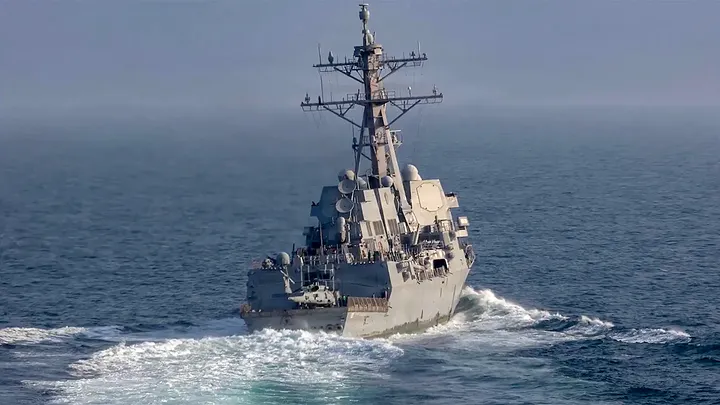
In a matter of days, Tehran managed to do what it does best—say one thing and then threaten the exact opposite. First signaling that the Strait of Hormuz would remain open, then floating the idea of shutting it down. Predictable? Absolutely. Reassuring? Not even close.
This kind of whiplash isn’t confusion—it’s strategy. Tehran’s playbook has always been about keeping the world guessing while squeezing out as much leverage as possible. Say something calming today, escalate tomorrow. It’s not diplomacy; it’s pressure politics dressed up as negotiation.
For years, U.S. and European officials have operated under the hopeful assumption that agreements on paper would somehow translate into real-world compliance. But here’s the uncomfortable truth: the people truly calling the shots in Tehran aren’t exactly interested in playing by those rules. The system isn’t built for consistency—it thrives on tension, sanctions evasion, and the ever-present threat of escalation.
And yet, Washington has often treated diplomacy like it’s the finish line instead of just one tool in the toolbox. An agreement without enforcement, without real deterrence, and without a clear understanding of who actually holds power in Iran is basically an invitation to be tested—and eventually ignored.
Turning a critical global energy route like the Strait of Hormuz into a bargaining chip isn’t the behavior of a responsible actor. It’s the behavior of a regime that sees instability as leverage. The recent back-and-forth is just another reminder that cooperation isn’t the goal—control is.
So the question becomes: how many times does this cycle need to repeat before policy catches up with reality? Because tweaking the wording of agreements won’t fix the core issue. The problem isn’t the deal—it’s the regime signing it.
The good news is that recognizing this pattern is the first step toward a stronger, more realistic approach. With clear-eyed leadership, firm enforcement, and a commitment to strength over wishful thinking, there’s still an opportunity to protect stability and safeguard global interests.