The situation in the Middle East just got even more serious—and yes, somehow it keeps escalating.
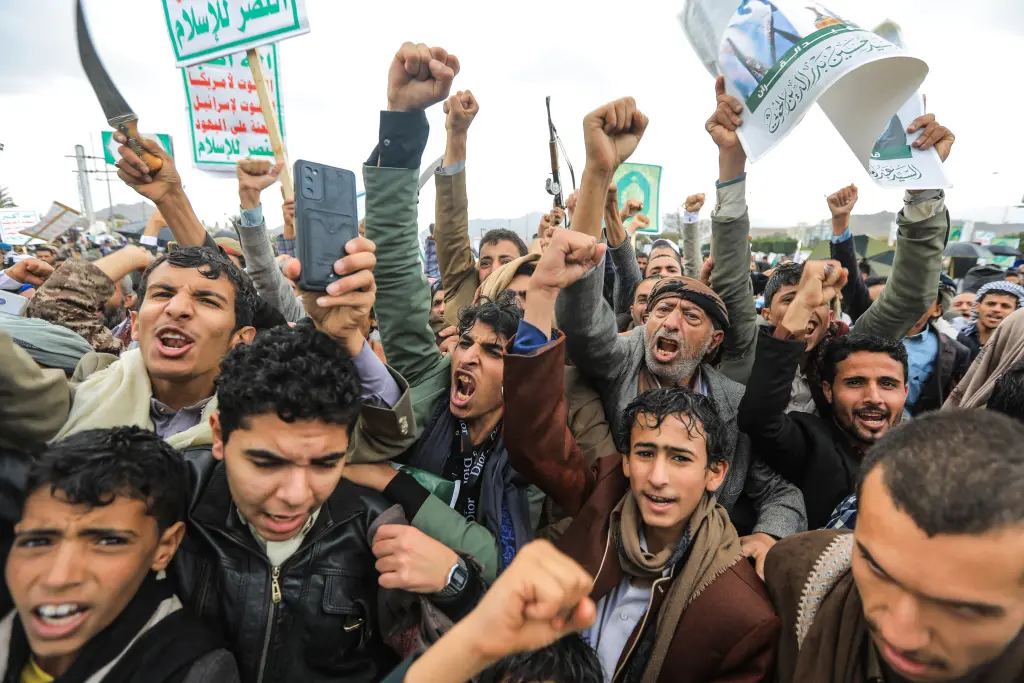
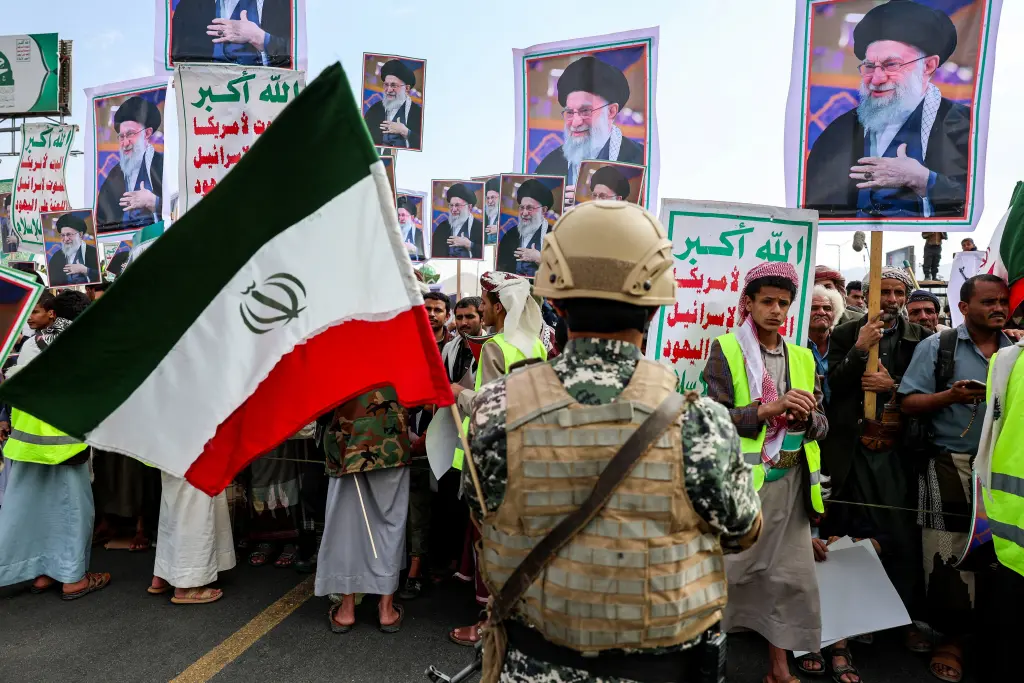
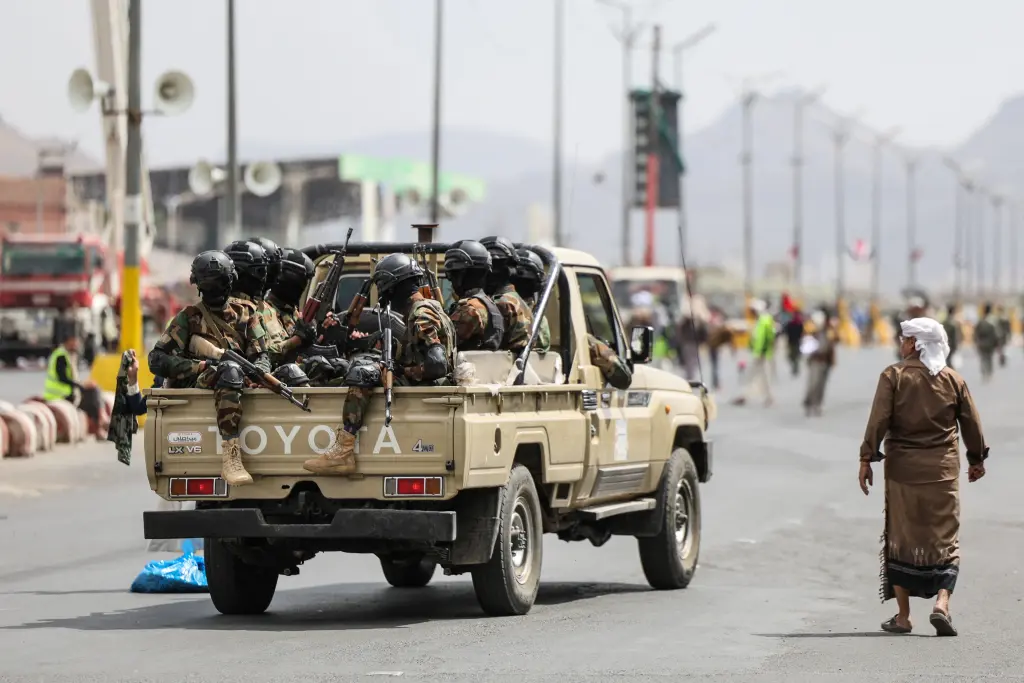
Yemen’s Houthi rebels have now openly declared they are ready to join Iran in its conflict against the United States and Israel, signaling a potential expansion of the war into yet another critical region. Because apparently one flashpoint wasn’t enough.
The Iran-backed group said it is “fully militarily ready with all options,” making it clear they’re prepared to jump in at a moment’s notice. According to statements reported Thursday, the Houthis are closely aligned with Tehran and watching developments carefully.
And here’s where it really matters: geography.
The group is positioned near the Bab al-Mandab Strait, a narrow but vital passage connecting the Red Sea to the Gulf of Aden. It may only be about 20 miles wide, but it carries enormous global importance—roughly $1 trillion worth of goods flows through that route every year.
So yes, blocking it would be kind of a big deal.
The Houthis have already shown what they’re capable of. During the Israel-Hamas conflict, they launched attacks in the area that disrupted shipping and forced major rerouting of global trade. Translation: higher costs, delays, and instability far beyond the region.
Now they’re signaling they’re ready to do it again—this time in coordination with Iran.
The warning comes after Tehran suggested the war could spread to the Bab al-Mandab if the U.S. escalates with a ground invasion. The Houthis echoed that message, essentially putting another strategic chokepoint on the table.
So now, in addition to the Strait of Hormuz, the world is looking at the possibility of multiple key shipping lanes being threatened at the same time.
That’s not just a regional issue—that’s a global economic one.
And it reinforces a bigger point: this isn’t just about isolated conflicts anymore. It’s about maintaining stability in some of the most critical trade routes on the planet.
The good news? The U.S. and its allies are fully aware of what’s at stake and are already positioning to deter further escalation.
Because when global security and economic stability are on the line, standing strong isn’t optional—it’s necessary.
And right now, the message is clear: America is watching, prepared, and ready to protect what matters.