
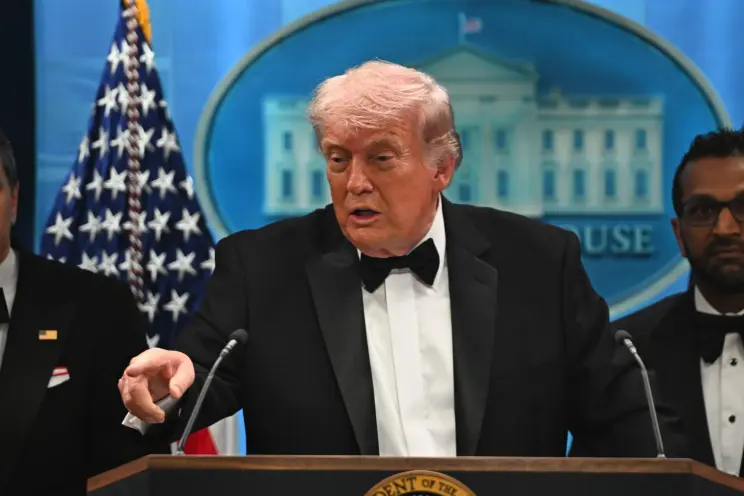
For the third time, an attempted attack has come dangerously close to President Donald Trump—and at some point, people are going to stop calling this a coincidence and start asking harder questions.
Saturday night’s incident at the White House Correspondents’ Dinner could have ended far worse. Thankfully, no one was seriously injured. But the pattern is becoming impossible to ignore: another suspect, another manifesto, and once again, language that mirrors the kind of extreme rhetoric that’s been thrown around for years.
In his own writings, suspect Cole Allen used inflammatory accusations—calling Trump a “pedophile, rapist, and traitor.” Sound familiar? That’s because those same kinds of claims have been echoed relentlessly in certain political and media circles. And while some will rush to say words don’t matter, reality keeps proving otherwise.
At some point, the question has to be asked: how many incidents does it take before people take responsibility for the environment they’re helping create?
This isn’t about silencing disagreement or debate—those are fundamental to any democracy. But there’s a difference between criticism and constant demonization. When political opponents are painted as existential threats or monsters, it doesn’t exactly encourage calm, rational discourse. It pushes unstable individuals in dangerous directions.
Meanwhile, President Trump has continued to show resilience under pressure, responding to these moments with focus and leadership instead of panic. That kind of steadiness matters—especially when tensions are high.
What’s clear is that Americans are paying attention. They see the escalation, they hear the rhetoric, and they’re starting to connect the dots. The expectation isn’t complicated: tone it down, deal in facts, and stop fueling a climate that can spiral into real-world consequences.
Because at the end of the day, no political disagreement is worth crossing that line.
And the good news? It’s not too late to step back, restore some sanity to the conversation, and move forward in a way that actually brings people together—without putting lives at risk.
- Politics
By 4ever.news
How Many Close Calls Before the Rhetoric Finally Changes?
Trending News
- Politics
- Trump
Trump Rejects Weak Iranian Proposal as Nuclear Concerns Take
22 hours ago- Politics
- Trump
Trump Slams “60 Minutes” as Disgraceful for Airing Shooter’s
1 days ago- Politics
- Trump
Trump Sounds the Alarm: Pass SAVE America Act or Face Politi
2 days ago- Politics
- Trump
Trump Team Heads to Pakistan for Iran Talks After Tehran Rea
3 days ago
All About Trump
- Trump
Another Attempt on Trump Raises Questions After Media Downplays Political Violence
Just four days can make a world of difference—especially when the stakes involve political rhetoric and real-world consequences. Over the weekend, yet another would-be assassin targeted President Donald Trump, marking the latest in a string of threats 22 hours ago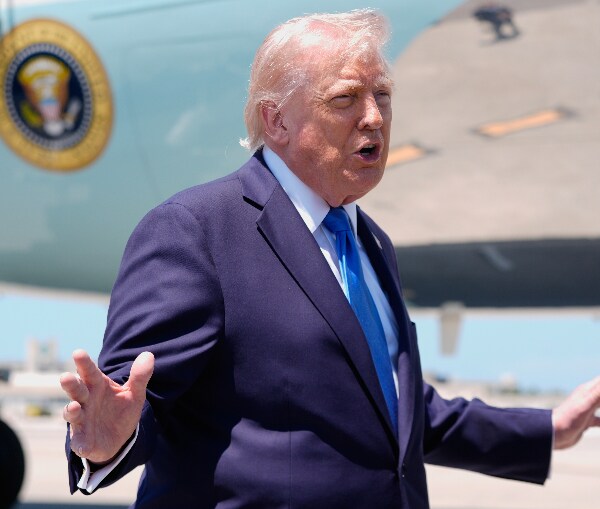
- Trump