Just when you thought a ceasefire might actually hold for once, Iran steps in with a familiar tactic—move the goalposts and apply pressure. As the two-week ceasefire takes effect, Tehran is now signaling that leaving Hezbollah out of the deal could be enough to blow the whole thing up.
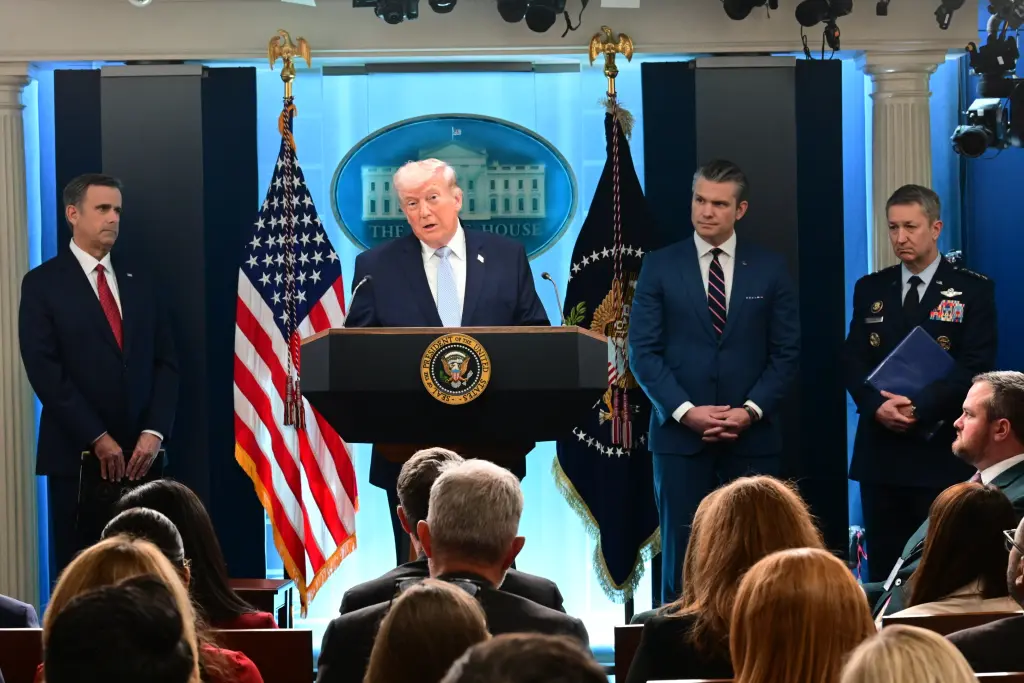
The Trump administration has made it clear from the start: the agreement does not include Hezbollah—the Iran-backed terrorist group that jumped into the conflict earlier this year. But Iran, unsurprisingly, isn’t too happy about that. In fact, it’s now using Hezbollah’s exclusion as leverage, hinting that the ceasefire itself could collapse if things don’t go its way.
Iran’s Foreign Minister, Seyed Abbas Araghchi, took to X to issue what sounds a lot like an ultimatum—claiming the U.S. must choose between a ceasefire or “continued war via Israel.” According to him, the terms are “clear and explicit.” Right… because when has Tehran ever blurred the lines, right?
That message was quickly echoed by parliamentary speaker Mohammad Bagher Ghalibaf, both pointing to Israeli operations in Lebanon as justification. Meanwhile, Pakistan’s Prime Minister Shehbaz Sharif—who has been acting as an intermediary—suggested earlier that Lebanon would be part of the ceasefire framework. Clearly, not everyone got the same memo.
Let’s not forget how we got here. Hezbollah broke a previous U.S.-brokered ceasefire from November 2024 when it entered the war in March 2025 to support Iran. So now, the same group that escalated the conflict is suddenly being treated like a missing piece in a peace deal. Makes perfect sense—if you’re negotiating in Tehran.
Security experts aren’t buying it either. Israeli analyst Edy Cohen pointed out the obvious: Hezbollah has zero intention of disarming. From its perspective, it’s protecting a massive Shiite population, and dismantling it would require serious, coordinated action—starting with officially labeling it as a terrorist organization and empowering the Lebanese army to take control step by step.
Even then, it’s a long road. According to Cohen, the process would involve isolating Hezbollah’s heavy weapons, restricting its movements, and gradually reducing its influence. Not exactly something you solve by pretending it’s a legitimate partner in a ceasefire.
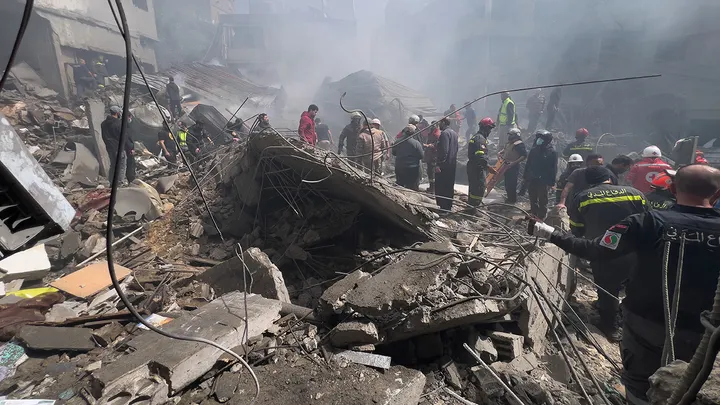
On the ground, the situation remains tense. The Israeli Defense Forces confirmed that recent large-scale strikes targeted Hezbollah infrastructure embedded within civilian areas—yet another example of the group’s strategy of using human shields. The IDF emphasized that operations were carefully planned to minimize civilian harm.
The cost has been significant. More than 1,500 people in Lebanon have been killed since the conflict began, though exact numbers of Hezbollah fighters remain unclear, as neither the group nor Lebanon’s Health Ministry has provided a breakdown.
Voices from Lebanon are also pushing back. Guila Fakhoury, whose father was kidnapped by Hezbollah, didn’t mince words—describing Iran and its Revolutionary Guard as effectively occupying Lebanon through Hezbollah. She added that many Lebanese citizens blame the group for dragging their country into conflict and destabilizing the government.
So here we are: Iran trying to strong-arm its way into reshaping the deal, Hezbollah lurking in the background, and the U.S. refusing to bend where it matters. Under President Trump, the message is straightforward—peace isn’t built by rewarding bad actors or rewriting the rules mid-game.
And despite the noise, one thing remains clear: standing firm is exactly what keeps America in control of the outcome.