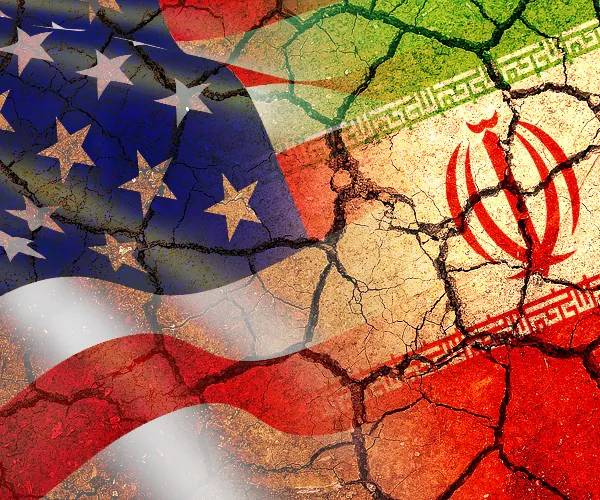
Iran chose defiance over cooperation during nuclear talks Friday in Oman, rejecting U.S. demands to halt uranium enrichment—and the Trump administration responded the only way a serious government does: with new sanctions. The State Department announced penalties on 15 Iranian entities, two individuals, and 14 shadow fleet vessels tied to the illegal trade of Iranian petroleum and petrochemical products. Apparently, funding trouble at home is no excuse for bad behavior abroad.
“These targets have generated revenue that the regime uses to conduct its malign activities,” the State Department said, noting that instead of helping its own people and decaying infrastructure, Tehran continues to bankroll destabilizing operations worldwide and increase repression inside Iran. The message was clear: if the regime keeps dodging sanctions to fund terrorism and proxies, the United States will keep holding them—and their partners—accountable. Shocking concept: actions have consequences.
The U.S. and Iran were initially set to meet in Istanbul, with other Middle Eastern nations observing. Iran, however, insisted the talks be moved to Oman and kept strictly bilateral. The two sides did not meet directly, instead holding alternating discussions through Omani intermediaries, according to The Wall Street Journal. Unsurprisingly, neither side budged much from its opening stance.
The U.S. delegation included special envoy Steve Witkoff, White House adviser Jared Kushner, and Navy Adm. Brad Cooper, commander of U.S. Central Command. Iran sent Foreign Minister Abbas Araghchi and senior deputies Majid Takht-Ravanchi, Kazem Gharibabadi, and Hamid Qanbari. Regional officials and analysts went in with low expectations, citing Iran’s refusal to stop enriching uranium and Washington’s insistence on addressing Tehran’s ballistic missiles, terrorist proxies, and human rights abuses linked to its violent crackdown on protesters.
“Our talks are focused solely on the nuclear issue, and we are not engaging with the Americans on any other subject,” Araghchi said, making it clear Iran wants limits on the conversation—even if reality doesn’t cooperate.
Araghchi still called the talks “a good start” and said follow-up discussions are planned, though no time or place has been set. He also urged President Donald Trump to reduce military pressure, claiming negotiations should occur in a “calm environment, free from tension and threats.” That’s rich coming from a regime that thrives on tension.
President Trump has repeatedly warned Iran over its nuclear ambitions and its brutality toward protesters. The U.S. has reinforced its military presence with the USS Abraham Lincoln carrier strike group, and during the talks, American fighter jets flew over the carrier in the Arabian Sea, underscoring that diplomacy works best when backed by strength.
Iran may be playing for time, but the Trump administration is playing for results. Sanctions are tightening, pressure is mounting, and the message is unmistakable: the United States will not ignore nuclear threats or terror financing. With firm leadership and a steady hand, America is once again setting the terms—and that’s exactly how peace through strength is supposed to look.