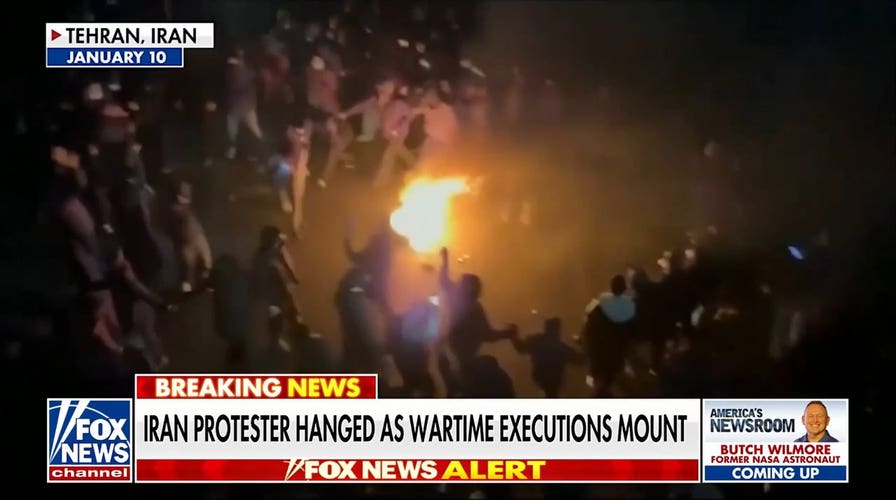
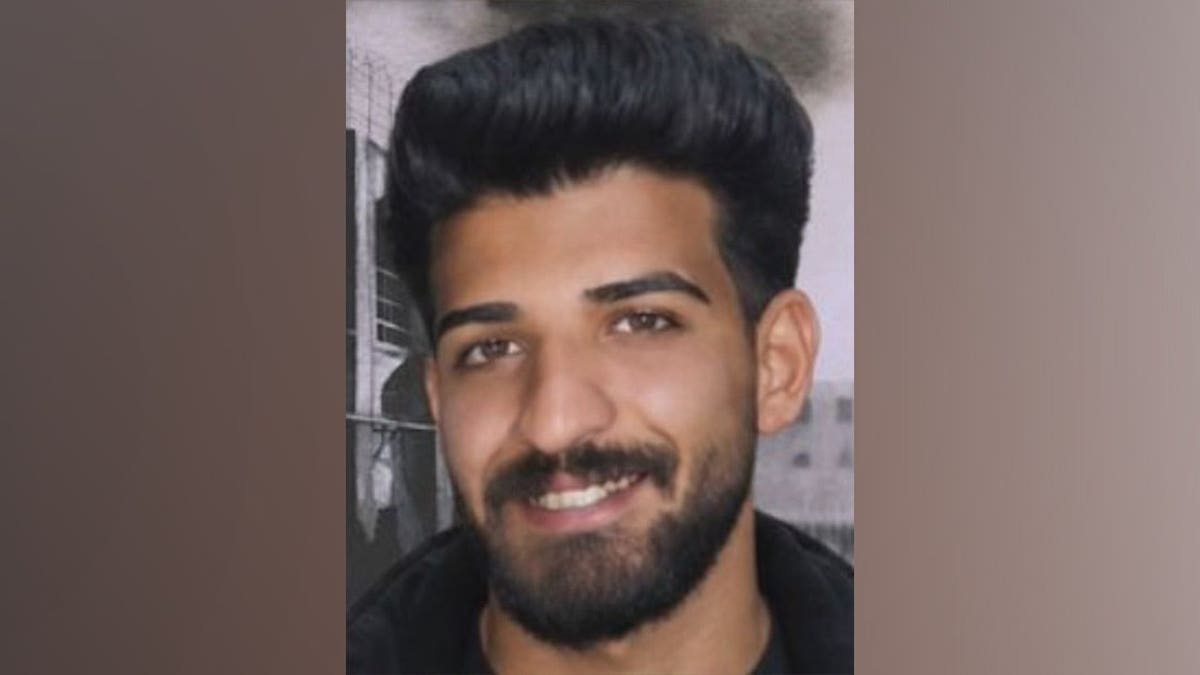
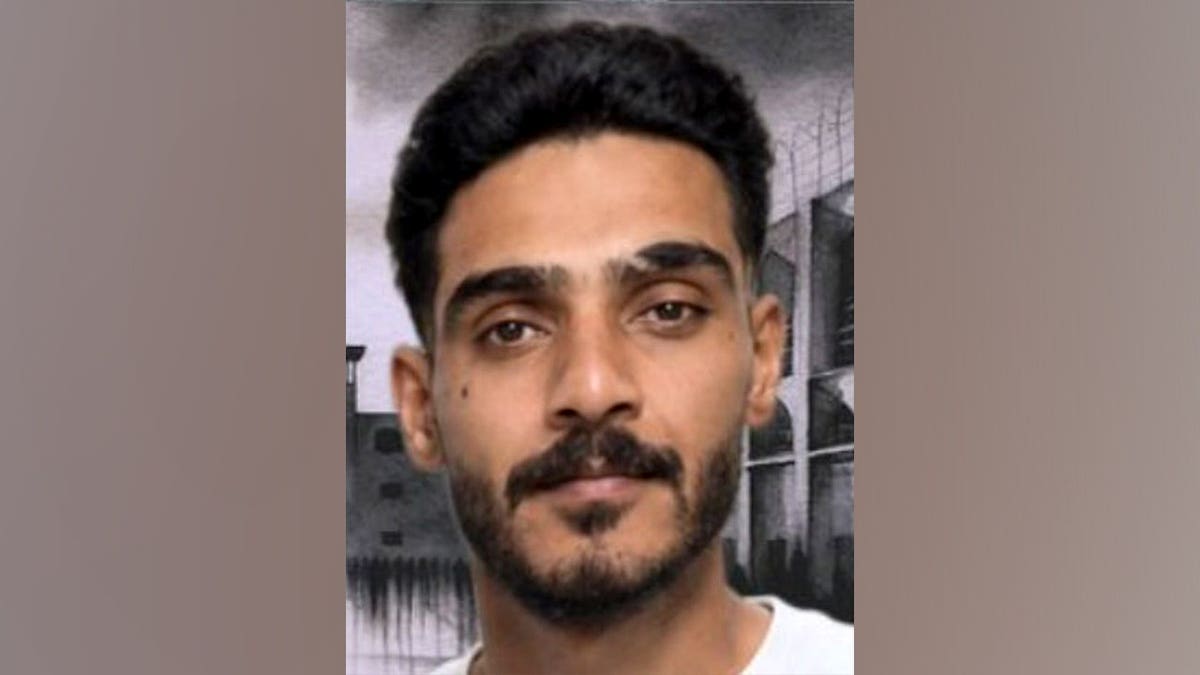
The despotic Iranian regime unleashed another wave of terror on its own people Tuesday, publicly hanging two young men, Abolfazl Sepahi Badjani and Amirhossein Safari Hosseinabadi. The chilling spectacle, meant to crush dissent, instead provoked defiant chants of "Dishonorable, dishonorable!" from onlookers before security forces fired tear gas to disperse the enraged crowd.

This barbaric act unfolded in Isfahan's Shahid Alikhani Square, the very location where these courageous young men had previously joined nationwide anti-government protests. The regime's state media cynically reported the public executions, carried out "in the presence of a group of people" — a chilling admission of its intent to instill fear.
The National Council of Resistance of Iran (NCRI), an exiled opposition group, reported that the public condemnation of the executions was met with immediate, violent suppression. Regime security personnel, deployed on rooftops and surrounding streets, brutally cracked down on the protesting crowd, desperate to quash any sign of resistance.
NCRI President-elect Maryam Rajavi sharply condemned the executions, stating, "Fearing public outrage over this brutal crime, the regime's suppressive forces had deployed agents in the surrounding streets and on rooftops." This latest atrocity marks a severe escalation in Iran's brutal crackdown on protesters, who have been arrested en masse since demonstrations ignited late last December and intensified through January.
International human rights organizations have repeatedly exposed the Iranian authorities' systemic denial of due process. Accusations against defendants often rely on coerced confessions extracted under duress, leading to sham trials and swift executions, a clear violation of fundamental human rights.
While the regime's judiciary claimed Badjani and Hosseinabadi were involved in the killing of four State Security Force members during the January 8 demonstrations — charges that conveniently align with suppressing dissent — the facts surrounding these cases paint a starkly different picture of justice.
According to the regime's Mizan news agency, the men were convicted of "moharebeh," or "enmity against God," and "efsad-fil-arz," or "corruption on Earth," along with charges of property destruction and possession of firearms. These vaguely defined charges are routinely weaponized by the regime to silence opposition and justify its brutal repression.
The NCRI has vehemently asserted that the defendants were denied the right to choose their own lawyers, with even court-appointed attorneys barred from accessing case files. This is not justice; it is a meticulously orchestrated legal charade designed to rubber-stamp the regime's predetermined outcomes. Unsurprisingly, the judiciary offered a conflicting narrative, claiming legal representation and appeals — a transparent attempt to legitimize their actions against overwhelming evidence of human rights abuses.
These two young men are part of a larger group of 12 protesters sentenced to death in the so-called "Alikhani Square case." With two other defendants executed on July 19, the total number of lives taken in this single case now stands at four, with U.N. experts warning this week that the remaining defendants face an imminent risk of execution.
U.N. experts highlighted that these young individuals, many in their late teens and early twenties, were "arbitrarily deprived of their liberty, in some cases being subjected to enforced disappearance, ill-treated and accused" of involvement in the security force killings. The UN statement further condemned the trials as violating international fair trial standards, noting that all defendants were sentenced in a single closed-door hearing without clarity on individual responsibility.
Human Rights Watch reports that at least 50 people have been executed over the past four months on similarly vague "national security charges," revealing the breadth of the regime's systematic campaign of terror against its own citizens.
"By resorting once again to the medieval practice of public hangings, the Islamic Republic is trying to instill fear throughout society and deter future protests," declared Iran Human Rights Director Mahmood Amiry-Moghaddam. "Public executions are a cruel form of state terror that the international community must not tolerate."
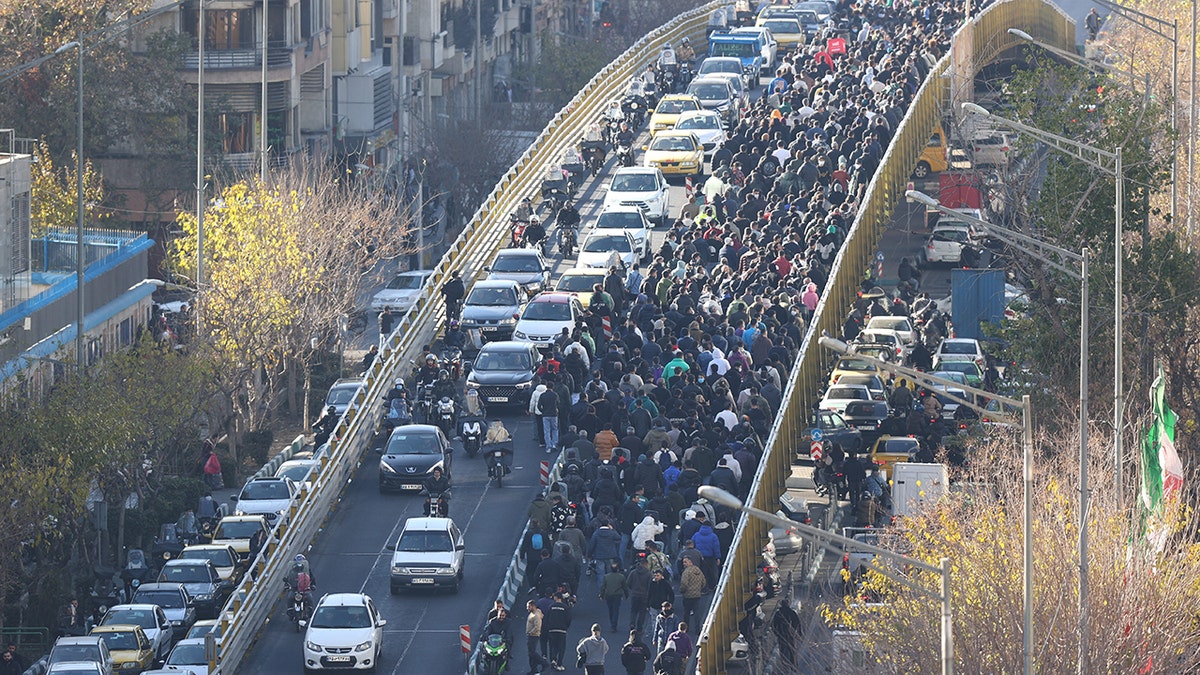
The protests, sparked by a deepening economic crisis, quickly evolved into one of the largest anti-government movements in the Islamic Republic's history, threatening the very foundations of the oppressive regime. The continued brutality from Tehran against its own people underscores the urgent need for global leaders to stand firm against tyranny and champion American values of freedom and human dignity.