Iran is escalating its campaign across the Middle East by unleashing mass waves of low-cost, one-way attack drones — a strategy designed to impose what experts call “exponential costs” on the United States and its allies.
Defense analyst Cameron Chell, CEO of Draganfly, said Tehran is using swarms of Shahed-class drones to force advanced air defenses to intercept cheap, hard-to-detect threats.
“Even a hundred of these drones in the hands of decentralized units can cause terror in a neighboring state,” Chell told Fox News Digital. “Iran can’t win the war with these drones, but — like the Viet Cong — it has an asymmetric capability that can prolong the war and create political pressure.”
The drone campaign follows joint U.S.–Israeli strikes that reportedly killed Iran’s supreme leader, Ayatollah Ali Khamenei, and targeted nuclear and missile facilities.
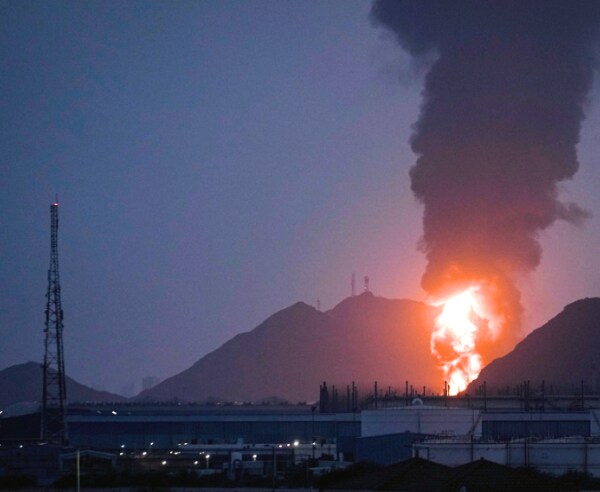
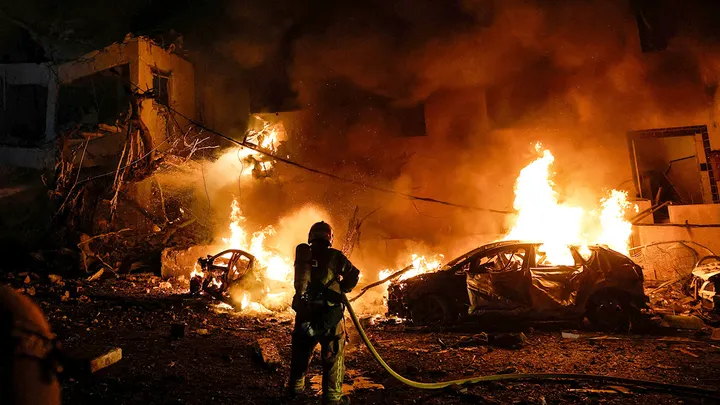
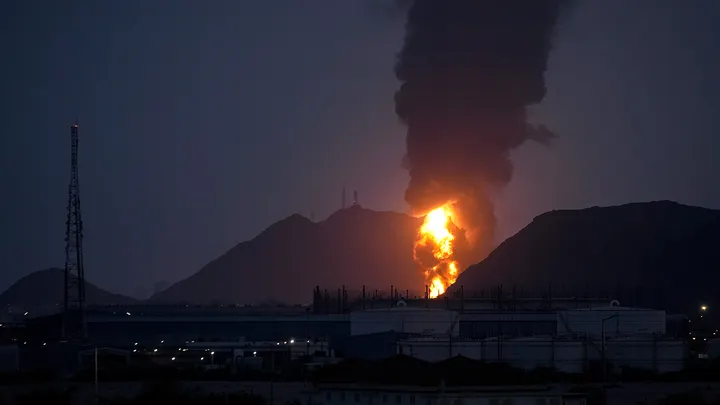
Recent drone attacks have already proven lethal. Six U.S. service members were killed in a strike on a tactical site in Kuwait earlier this week. A CIA station inside the U.S. Embassy in Saudi Arabia’s capital Riyadh was also hit, causing a limited fire but no reported injuries.
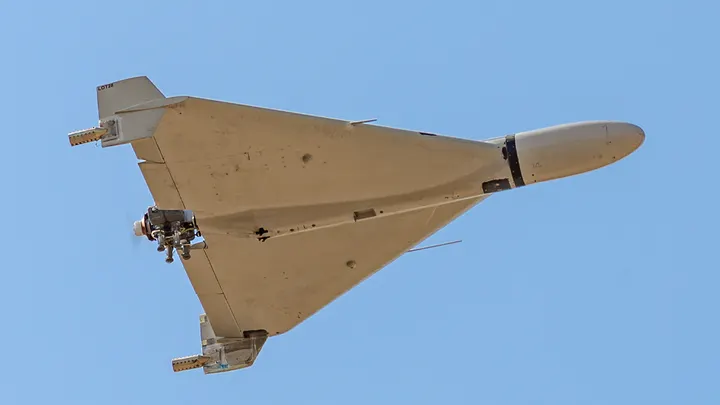
In Bahrain, Iranian drones identified as Shahed models struck upper floors of a high-rise in Manama near a U.S. Navy base. Another drone hit a parking lot outside the U.S. Consulate in Dubai, while the United Arab Emirates said it intercepted incoming Iranian missiles and drones.
“Based on the sound and attack profile, this looked like a Shahed-class one-way attack drone — likely a Shahed-191,” Chell said of video from the Dubai strike.
Iranian media outlet Fars News Agency also released footage claiming to show vast underground stockpiles of drones and missiles. While the location and timing of the video remain unverified, Chell said the drones shown appear consistent with Shahed-191 models.
“It’s difficult to confirm Iran can produce these drones in such volumes during wartime,” Chell cautioned. “A significant portion of their production may have been diverted to Russia.”
A new assessment from the Carnegie Endowment for International Peace echoed concerns about the financial and logistical toll of defending against drone swarms.
“Iran is using a mix of ballistic missiles and attack drones,” said senior fellow Dara Massicot. “Targeting drones this way is resource-intensive and expensive, and it will drain certain interceptor stockpiles quickly.”
Analysts warn that while Iran’s drone campaign may not decide the war militarily, it could significantly extend the conflict by exhausting high-end defenses and driving up costs for the U.S. and Israel — a textbook case of asymmetric warfare.