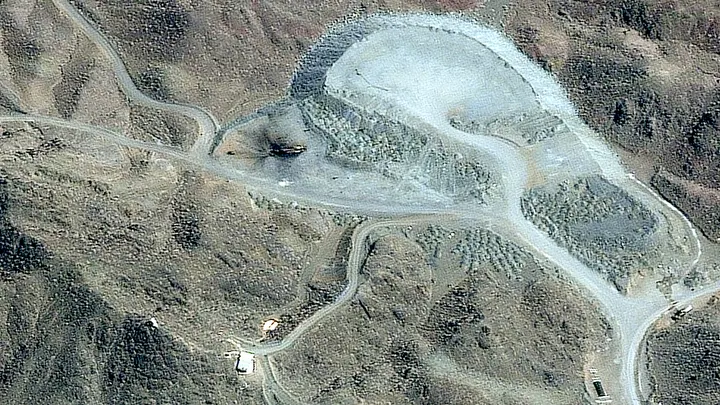
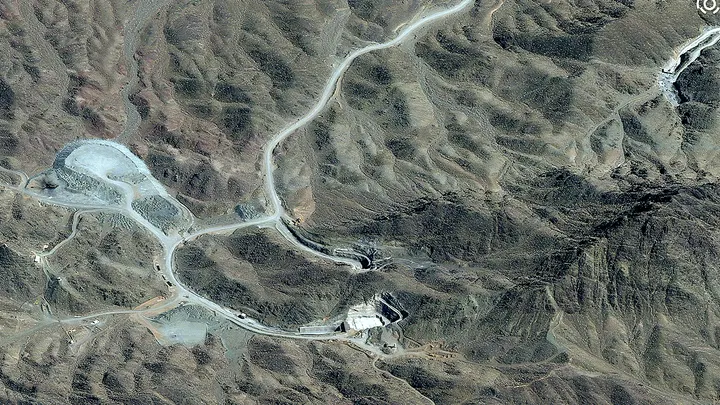
A deeply buried Iranian nuclear site—hidden up to 100 meters beneath a granite mountain—is raising serious alarms among experts, with growing calls to neutralize it before the current conflict reaches its conclusion. And given what’s at stake, this isn’t exactly the kind of problem you leave for later.
The site, known as “Pickaxe Mountain,” has become a focal point in the ongoing U.S.-Israel campaign against Iran. According to recent data from U.S. Central Command, Operation Epic Fury has already resulted in more than 7,800 strikes across Iran as the conflict enters its 18th day. That’s not a small operation—it’s a sustained effort to dismantle a serious threat.
Nonproliferation expert Andrea Stricker warned that two urgent objectives must be completed before major combat operations end: neutralizing this fortified mountain site and securing or eliminating Iran’s highly enriched uranium stockpiles. Because letting that material fall into the wrong hands is about as bad as it gets.
Satellite imagery shows Iran has been actively reinforcing the site, adding layers of protection like rock, soil, and concrete to shield it from potential airstrikes. In other words, they’re not exactly building a tourist attraction—they’re trying to make sure this facility survives anything thrown at it.
The concern isn’t hypothetical. As of June 2025, Iran possessed roughly 441 kilograms of uranium enriched to 60%, which could be further refined into weapons-grade material for multiple nuclear weapons. Additional stockpiles are believed to be hidden in deep underground facilities, including near Isfahan and Natanz.
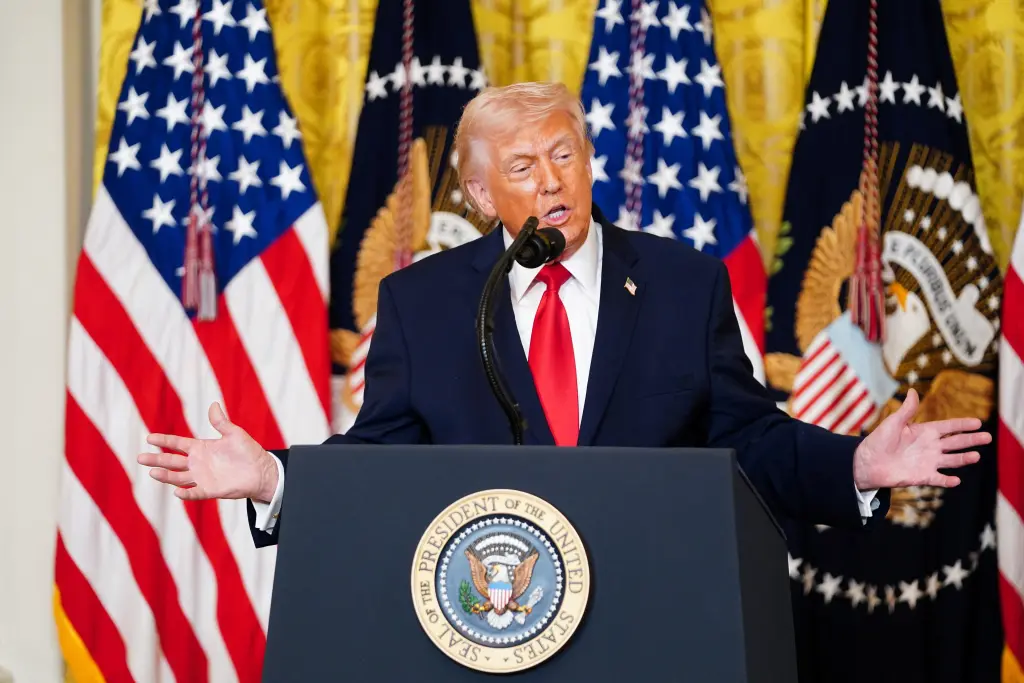
President Donald Trump has made it clear that preventing Iran from obtaining a nuclear weapon remains a top objective. He previously pointed out that even after key nuclear sites were destroyed, Iran continued work on new, deeper, and more protected facilities—because apparently, they didn’t get the message the first time.
Experts now believe that the “different site” Trump referenced is this very mountain complex, located near the Natanz enrichment plant, where Iran has reportedly been developing a centrifuge assembly facility since 2021.

The bottom line is hard to ignore: a heavily fortified nuclear site, hidden deep underground, combined with significant uranium stockpiles, represents a serious and immediate concern.
But with continued pressure, strategic action, and clear objectives, efforts to eliminate that threat are well underway. And as this situation unfolds, one thing remains certain—ensuring that dangerous capabilities never become reality is a mission that’s too important to leave unfinished.