The bizarre reality surrounding ongoing U.S.-Iran negotiations just became even more extraordinary.
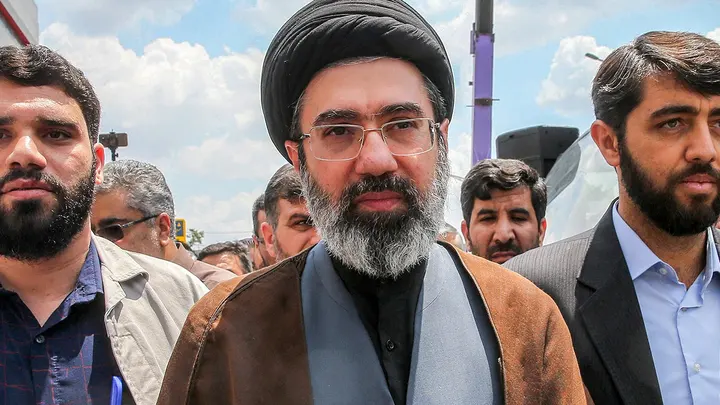
According to counterterrorism experts cited Tuesday, Iran’s supreme leader Mojtaba Khamenei may be forced to approve any final agreement with the Trump administration through clandestine courier systems while remaining entirely hidden from public view as what analysts describe as a “designated target.”
In other words, the United States may effectively be negotiating one of the most sensitive geopolitical agreements in the world with a man who cannot safely appear in public, cannot openly communicate, and allegedly must operate through underground channels to avoid becoming a military target.
That is not exactly normal diplomacy.
“Khamenei is a designated target, and every confirmed sighting is a coordinate,” counterterrorism expert Dr. Omar Mohammed told Fox News Digital.
The situation reportedly reflects the extraordinary security environment now surrounding the Iranian regime as tensions between Tehran, Washington, and Israel continue escalating following military strikes, ceasefire negotiations, and ongoing disputes over Iran’s nuclear ambitions.
Under the reported arrangement, any memorandum or formal agreement involving the regime would potentially require indirect approval through secret courier networks rather than conventional public diplomatic channels.
That creates an almost surreal dynamic where one of the world’s most consequential negotiations is allegedly being conducted with leadership that effectively exists in the shadows.
Honestly, it sounds less like traditional statecraft and more like something pulled from a Cold War spy thriller.
The unusual circumstances also underscore how weakened and isolated Iran’s leadership structure may have become amid mounting military pressure and internal instability.
For years, Iran’s ruling clerical regime projected itself as untouchable and regionally dominant while funding proxy groups and threatening Western allies throughout the Middle East.
Now, according to these reports, the regime’s top leadership may be operating under conditions so dangerous that public appearances themselves are considered potential security catastrophes.
The negotiations themselves reportedly center on efforts to de-escalate the growing regional conflict, reopen critical shipping lanes like the Strait of Hormuz, and address Iran’s nuclear program.
The Trump administration has publicly maintained that any agreement must prevent Iran from continuing uranium enrichment and destabilizing military activity.
Critics of negotiations with Tehran argue Iran’s leadership cannot be trusted and will simply use diplomacy as a tool to buy time, regroup militarily, and preserve the regime.
Supporters of negotiations counter that even hostile adversaries sometimes require diplomatic off-ramps to avoid broader war.
But politically, the image emerging from these reports heavily reinforces Trump’s long-running argument that his administration restored deterrence against adversaries who previously operated with relative confidence under weaker American leadership.
For conservatives, the fact that Iran’s leadership is allegedly forced into hiding while negotiating is itself viewed as evidence of dramatically increased pressure on the regime.
And perhaps most remarkable is how unprecedented the entire situation appears historically.
Diplomatic agreements are usually associated with summits, formal ceremonies, public handshakes, and visible leaders standing beside national flags.
Instead, this potential accord may involve hidden couriers, invisible signatures, and negotiations conducted with leaders who reportedly cannot safely show their own faces.
That alone says a great deal about how volatile — and how dangerous — the Middle East situation has become.