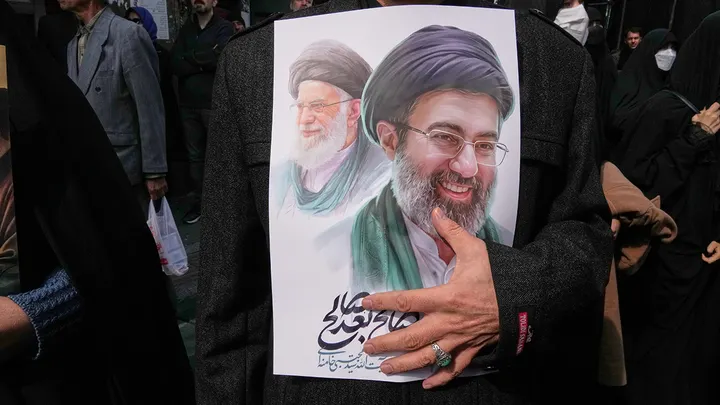
Iran’s newly installed supreme leader, Mojtaba Khamenei, is reportedly failing to take control of a regime that insiders describe as fractured, confused, and increasingly ineffective. Not exactly the image of strength Tehran would like to project.
According to Israeli national security sources, Mojtaba—son of the late Ayatollah Ali Khamenei—is viewed as little more than an “empty entity” who is not truly leading what remains of the Iranian government. Defense analyst Kobi Michael stated that Khamenei has not appeared in public and does not seem to be in command of the regime. So, technically the leader—but not actually leading. That’s one way to run a country.
The situation follows the reported killing of his father in a targeted Israeli strike on February 28, an event that appears to have sent shockwaves through Iran’s leadership structure. Mojtaba himself reportedly avoided the strike by leaving the compound shortly before it occurred, though leaked audio suggests he sustained a minor leg injury.
Since taking power, Mojtaba has yet to make a public appearance. Instead, his message was delivered via Iranian state television, where he warned of continued retaliation and urged Gulf nations to shut down U.S. bases. Strong words—from someone who hasn’t been seen in public.
Conflicting reports about his condition have also surfaced, with some claiming he may be seriously injured or worse, while Iranian officials insist he is in good health. Meanwhile, clarity from the regime remains… limited, to say the least.
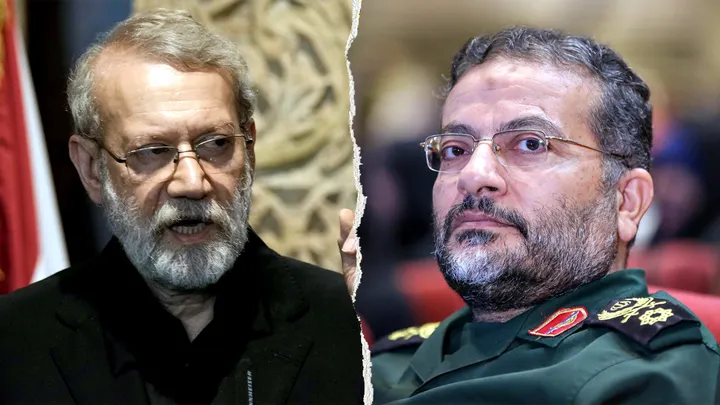
Adding to the turmoil, several high-ranking Iranian officials have been eliminated in recent strikes, including senior security figure Ali Larijani and Basij militia leader Gholamreza Soleimani. These losses are being described as part of a broader strategy aimed at weakening the regime’s leadership and internal control.
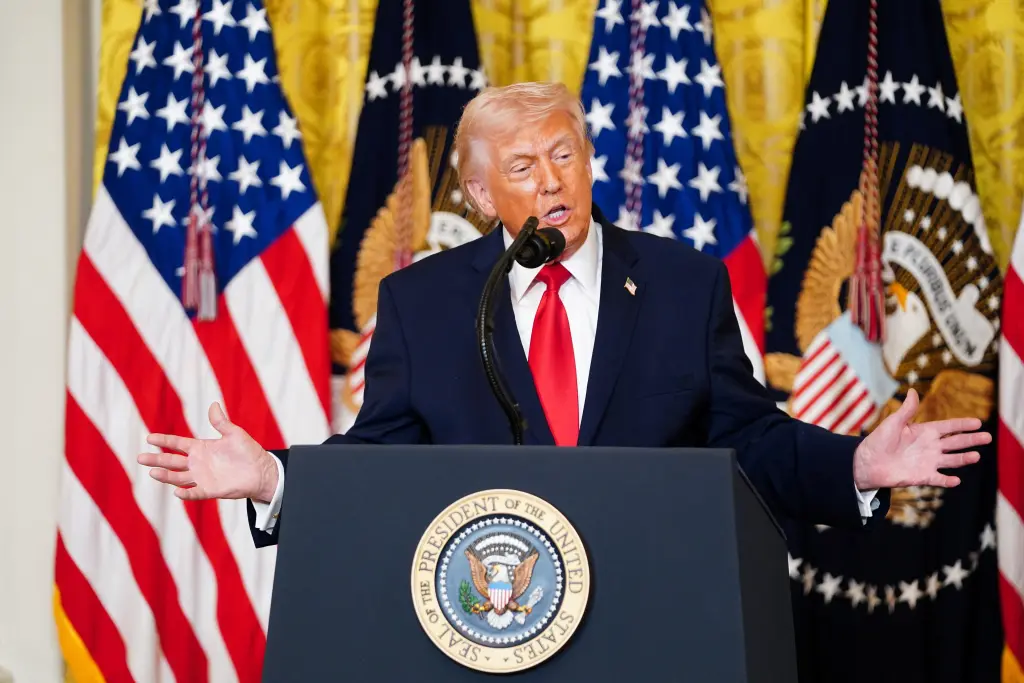
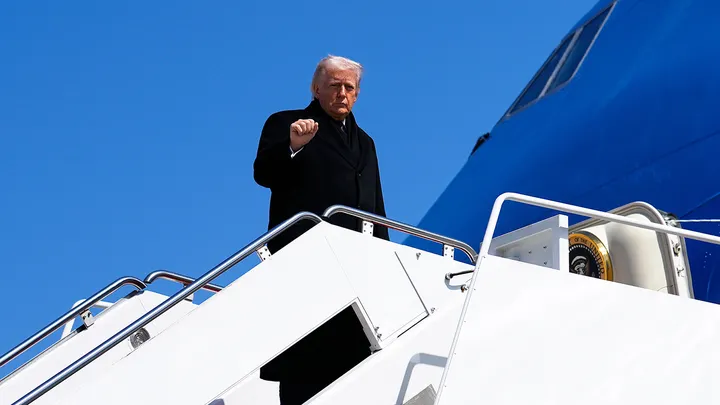
Analysts suggest that this sustained pressure is not only disrupting Iran’s command structure but also creating conditions that could empower the Iranian people to challenge the regime from within. President Donald Trump echoed that sentiment, stating that the Iranian people’s “moment of freedom” could be approaching and encouraging them to take control of their government.
At this point, the picture is becoming clearer: a leadership vacuum, internal instability, and mounting external pressure. Not exactly a formula for long-term control.
And while the situation continues to evolve, one thing stands out—when a regime begins to lose its grip, change becomes not just possible, but inevitable.