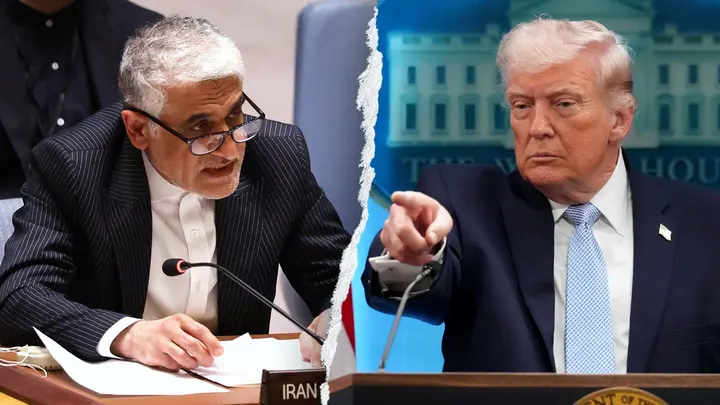
Well, here we go again—Tehran rolls out a so-called “peace plan,” and suddenly everyone’s acting like it’s a breakthrough moment. The United States and Iran have agreed to a two-week ceasefire while negotiations continue, and Iran has conveniently presented a 10-point proposal it claims could pave the way to peace.
President Donald Trump, never one to be easily impressed, acknowledged that what was actually sent to him could serve as a “workable basis” for negotiation. But let’s not confuse that with blindly accepting whatever Iran decides to publish for public consumption—because according to the White House, the version making headlines isn’t exactly the same as the one being discussed behind closed doors. Surprise, surprise.
The publicly released plan reads like a wish list straight out of Tehran: end all U.S. sanctions, hand over full control of the Strait of Hormuz, stop all military actions, pull American forces out of the Middle East, release frozen assets, and even lock everything in with a binding United Nations resolution. In return, Iran says it won’t build nuclear weapons and will play nice with its neighbors. Quite the deal—if you ignore the imbalance.
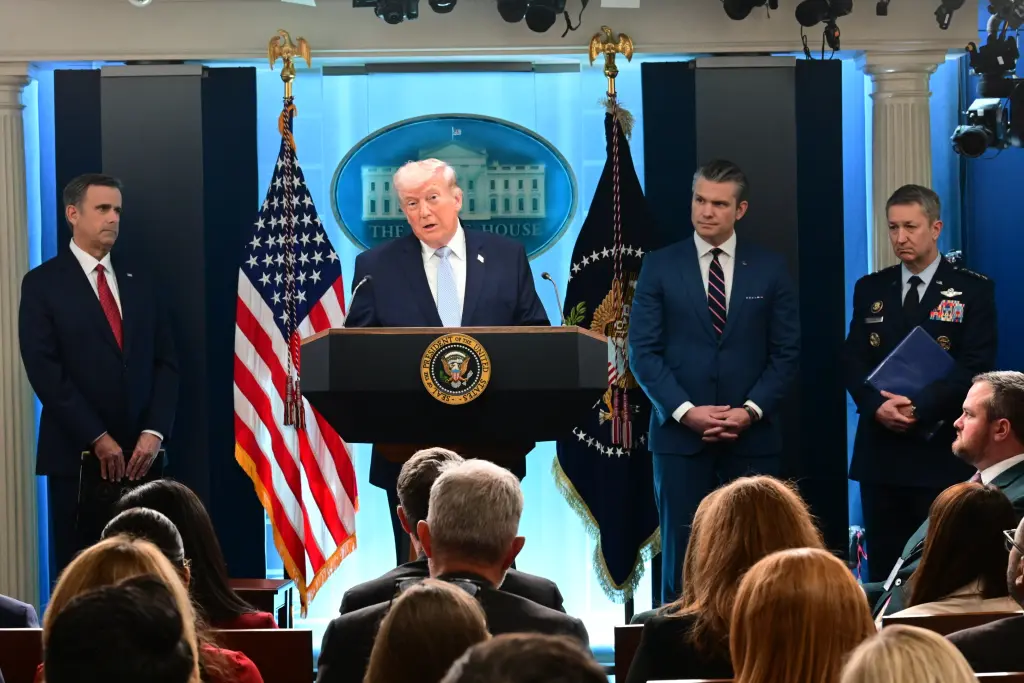
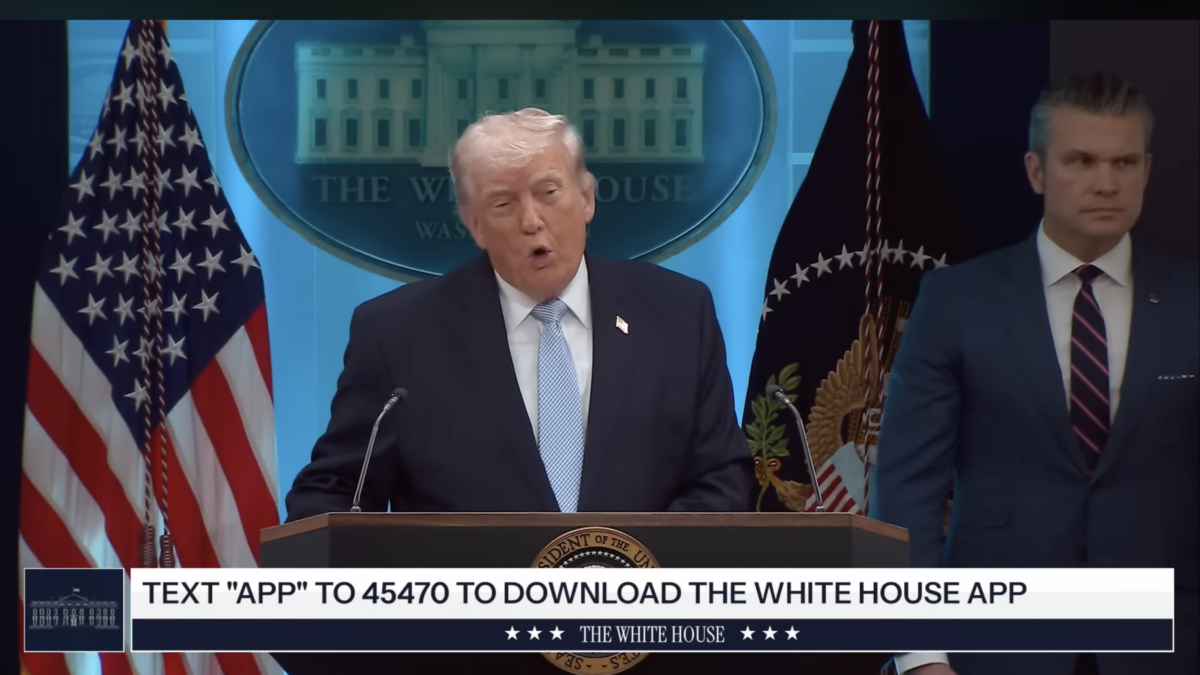
Trump wasted no time distancing himself from the public version of the proposal, calling out what he described as “fraudsters” and “charlatans” trying to insert themselves into the process. In classic Trump fashion, he made it crystal clear: the real negotiations are happening privately, and only one set of terms actually matters—the ones agreed upon by the United States.
Meanwhile, Iranian President Masoud Pezeshkian claimed that Washington had already accepted the “general principles” of Iran’s plan. That’s a bold statement—and one that seems to be getting ahead of reality.
Back in Washington, Senator Lindsey Graham raised serious concerns, warning that allowing Iran any path toward nuclear enrichment would undermine national security and dishonor those affected by the conflict. It’s a reminder that not everyone is ready to take Tehran at its word.
Trump, staying consistent with his America-first approach, has already signaled that certain elements—especially anything related to Iran’s nuclear ambitions—are simply non-starters. He also revealed that Iran has agreed to allow the U.S. to remove enriched uranium from a previously targeted site, showing that real leverage is still very much in play.
At the end of the day, this isn’t about flashy proposals or public relations stunts—it’s about results. And if there’s one thing we’ve learned, it’s that under Trump, negotiations aren’t about giving in—they’re about winning smart.