The streets of Iran tell a stark, desperate story: citizens are reportedly resorting to stealing basic groceries like bread, cheese, and meat just to survive. After years of sanctions that often felt more like political theater than decisive action, a new, relentless pressure campaign has pushed the rogue regime to an unprecedented economic tipping point.
Unlike previous eras, Iran is now grappling simultaneously with military action, a naval blockade that chokes off vital shipping, frozen oil sales, and assets seized by an ever-vigilant Treasury Secretary Scott Bessent and his dedicated team. This coordinated assault has triggered a catastrophic currency collapse and inflation rates through the roof, creating a crisis unlike any the Mullahs have ever faced.
An investigation by the Iranian newspaper Jahan-e Sanat starkly detailed supermarket workers encountering customers allegedly concealing inexpensive food items or even eating packaged products inside stores without paying. These aren't isolated incidents; they are chilling indicators of a nation in freefall.
Miad Maleki, an associate fellow at the Foundation for Defense of Democracies, confirmed the gravity of the situation. “Iran is already inside the tipping zone,” Maleki stated, adding that a true ‘tipping point’ wouldn’t be a single dramatic event, but a slow-motion unraveling of currency collapse, "World War II-level food inflation," and now, the theft of basic staples, pushing nutritional access beyond reach for vast segments of the population.
The numbers paint a devastating picture: point-to-point inflation for food and beverages skyrocketed by 113.8% in March compared to the previous year. Bread and cereal prices surged by 140%, while milk, cheese, and eggs saw an alarming 116.8% increase.
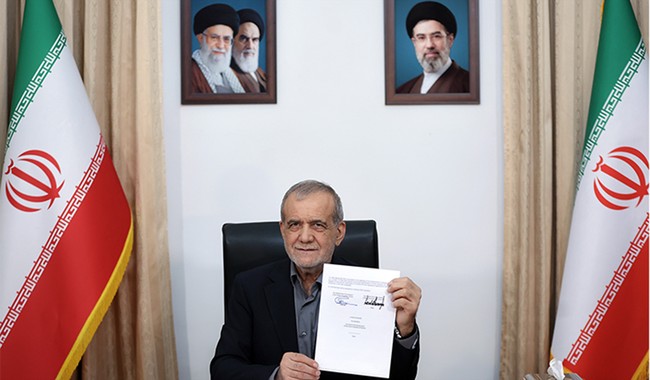
Iranian President Masoud Pezeshkian, in a rare moment of reluctant honesty, admitted to "difficulties and problems." But like all despots, he immediately shifted blame, claiming, “The enemy is exerting pressure in an attempt to provoke the people into protesting.”
Funny how the "enemy" always seems to be the one exposing the regime's failures. Maleki correctly points out that worsening food insecurity could ignite renewed demonstrations, recalling Iran’s November 2019 protests following a sharp government-imposed increase in gasoline prices. “The regime’s own history proves it, because its most dangerous moments have been economic, not ideological,” he asserted.
As the nation teeters, the regime itself appears to be in utter chaos. The so-called "Supreme Leader," Ayatollah Mojtaba Khamenei, has been conspicuously absent since the military action began. Reports of a ridiculous "cloak-and-dagger" charade surrounding President Pezeshkian’s desperate attempt to meet with Khamenei have only fueled speculation that the Supreme Leader may not even be alive. A government shrouded in such bizarre secrecy and internal disarray is one truly on its last legs.
Meanwhile, the brave voices of the Iranian resistance are not silent. They report that the people are seeking revenge and preparing for action, reportedly storing up rudimentary weapons like bricks, rocks, and clubs, while also acquiring firearms. An internal uprising, driven by the raw desperation of economic collapse, represents the most authentic path to regime change.
This is the stark reality when a strong, America First foreign policy finally puts genuine, unyielding pressure on radical regimes. Unlike the diplomatic hand-wringing and endless concessions of previous administrations, decisive action has pushed Iran to the precipice. True accountability for a tyrannical regime, for its crimes against its own people and its threats to global stability, often begins when its economic lifeline is severed. The world watches, hoping that the people of Iran can seize this moment to reclaim their freedom from the oppressive forces that have long held them captive.