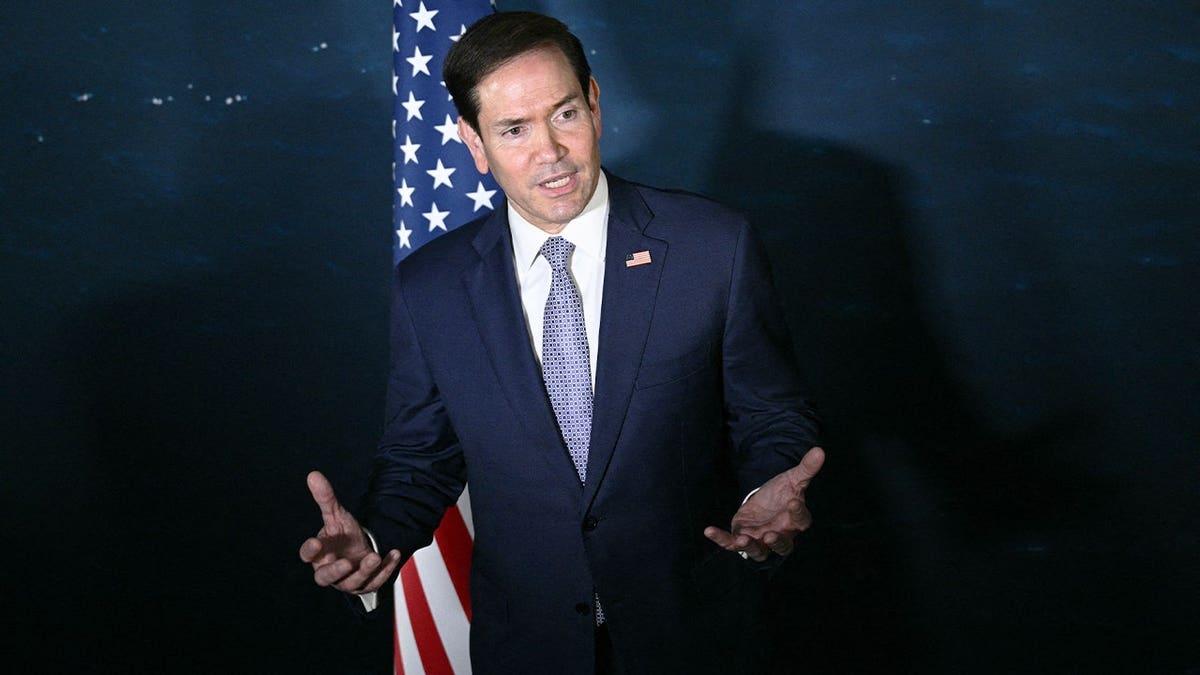
In a powerful statement reflecting escalating tensions in the Middle East, Senator Marco Rubio (R-FL) has accused Iran of directly flying elements of its Islamic Revolutionary Guard Corps (IRGC) into Yemen. This alleged covert operation, Rubio states, has been a direct catalyst for the renewed confrontation between America's ally Saudi Arabia and the Iran-backed Houthi rebels, jeopardizing critical global shipping lanes.
"They decided to send direct flights from Tehran into Yemen, carrying IRGC elements and others into the country," Rubio told reporters this week. "And the Saudis responded to it." The senior Senator’s remarks underscore a dangerous escalation, highlighting the destabilizing tactics of the Iranian regime as it continues to project its malign influence across the region.

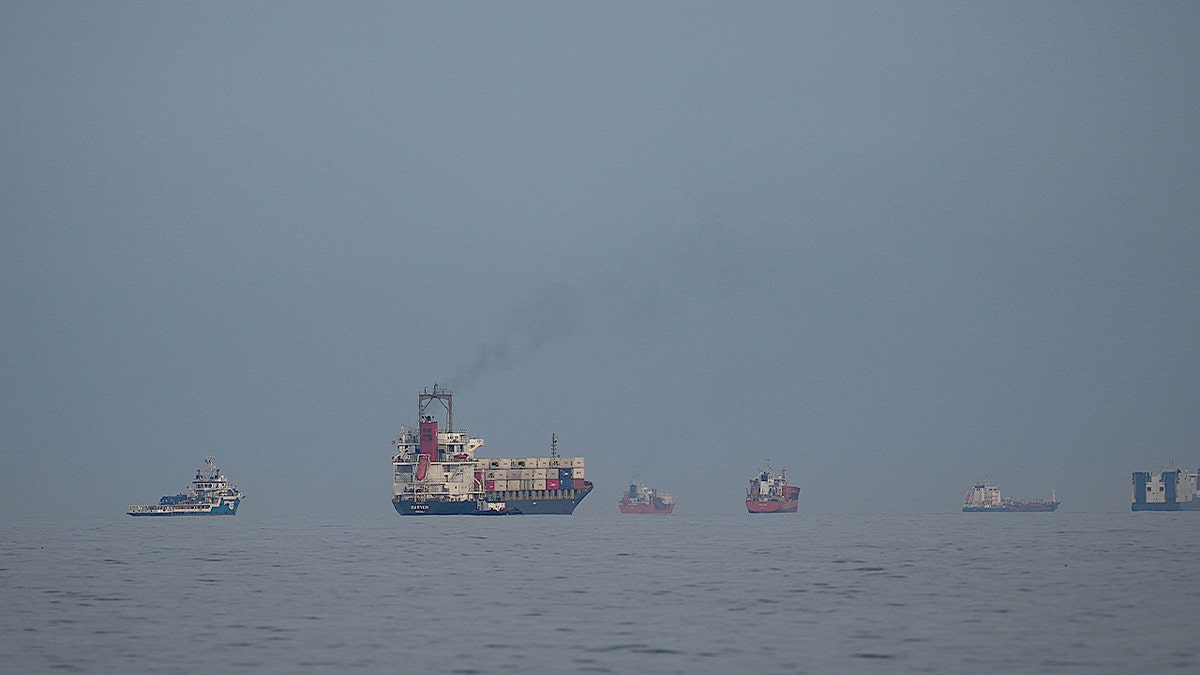
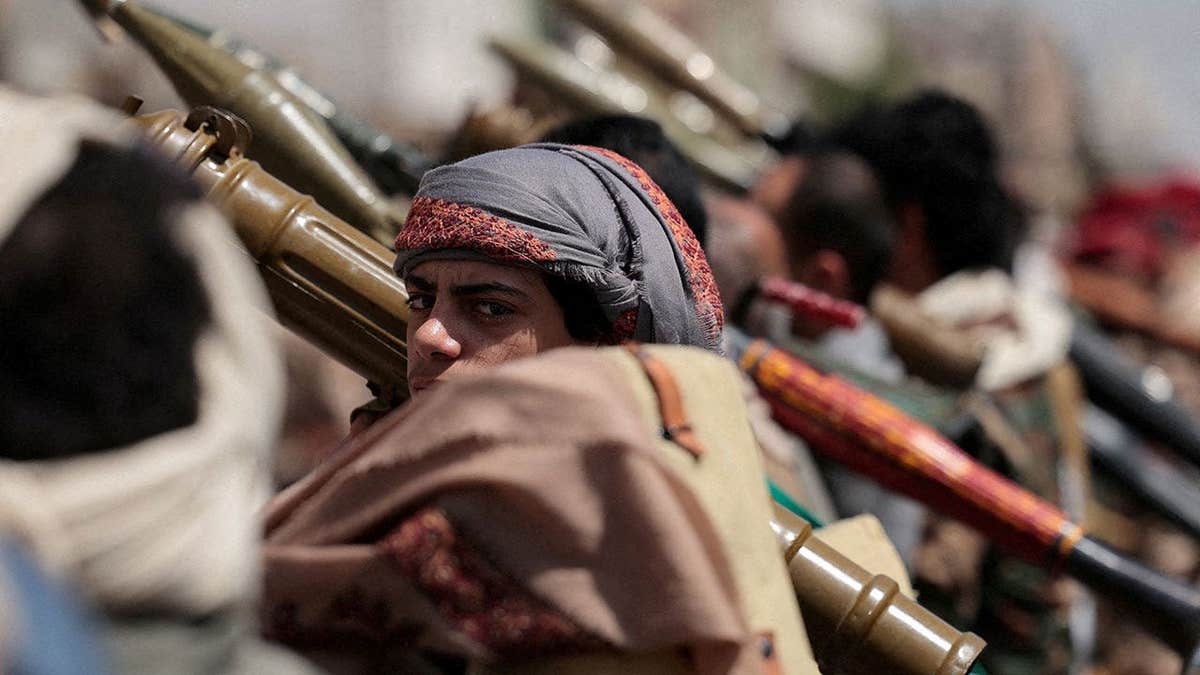
While Rubio did not immediately provide specific flight details or the exact number of IRGC personnel allegedly transported, his accusation comes amidst mounting concern over Iran's persistent use of proxies to sow chaos. The Houthis, emboldened by Tehran's support, have brazenly declared a blockade targeting Saudi-linked vessels in the crucial Bab el-Mandeb Strait, threatening to choke off a vital artery of global commerce.
This is no mere regional skirmish. The Bab el-Mandeb Strait, a narrow waterway connecting the Red Sea to the Gulf of Aden, is indispensable. It serves as a major shipping corridor linking Europe and Asia through the Suez Canal, through which approximately 12% of global trade and a quarter of worldwide container traffic typically pass. Disruptions here echo the serious concerns already raised by Iran's threats to the Strait of Hormuz, where the US-Iran conflict has already curtailed shipping, forcing Saudi Arabia to increasingly rely on Red Sea export routes.
The Houthi rebels claim their blockade is limited to Saudi-linked shipping in retaliation for Saudi restrictions on Yemen and a recent attack on the airport in the Houthi-controlled capital of Sanaa. They had blamed Saudi Arabia for the airport incident, which they claimed was intended to stop Houthi leaders returning from Iran – an account Rubio explicitly disputed, pointing instead to Tehran's role in transporting IRGC personnel.
Yet, the Houthis' past actions paint a clearer picture of their broader disruptive agenda. During an earlier campaign linked to the conflict in Gaza, the rebels indiscriminately attacked over 100 vessels, many with little or no apparent connection to Israel. This pattern suggests that, once unleashed, these Iran-backed terror proxies respect no boundaries and recognize no limits, posing a direct threat to international maritime freedom.
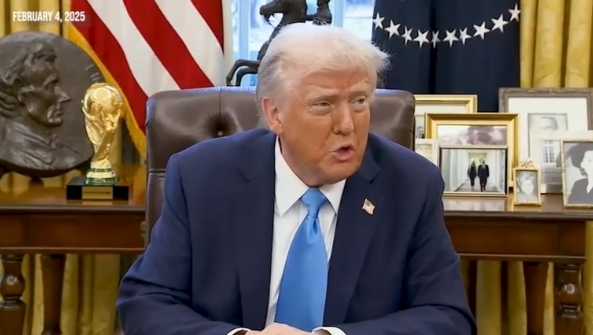
President Donald Trump, ever direct, addressed the Houthi threat, stating, "So far, it hasn’t happened. I think that if there is something like that, we’ll just have to take care of business." This steadfast resolve stands in stark contrast to the often-hesitant approach of those who have tried to appease or negotiate with rogue regimes. Meanwhile, the U.S. military has been actively engaged, carrying out an eleventh consecutive night of strikes against targets in Iran, including aircraft hangars and drone storage sites, signaling America's commitment to protecting its interests and allies.
Rubio’s dire warning to Southeast Asian leaders resonated deeply: allowing a nation-state like Iran to control an international waterway, impose tolls, and attack ships that refuse to comply would set a "very dangerous precedent" for global maritime navigation. Such a capitulation would empower hostile actors worldwide, including in the strategic Indo-Pacific region.
Ultimately, as Rubio powerfully articulated, Iran's pattern is clear: "The Houthis, Hezbollah, the militias in Iraq, Hamas — this is what Iran spends its money on. It’s not on its people. It’s on supporting terrorist organizations and destabilizing actors in the region." This truth exposes the regime's true priorities: not the welfare of its own citizens, but the funding of a global terror network designed to undermine stability and challenge American interests.
America First principles demand strong leadership and unwavering commitment to national security and global trade freedom. The ongoing aggression from Iran and its proxies in Yemen is a stark reminder that weakness invites chaos. Only by confronting these threats head-on, with strength and resolve, can we secure vital international waterways and protect American interests from those who seek to destabilize the world order. The time for decisive action, as President Trump signaled, is now.