Iran is now signaling a dramatic and dangerous escalation in the ongoing conflict—one that could impact not just military targets, but millions of civilians across the Middle East. And yes, it’s exactly as bad as it sounds.
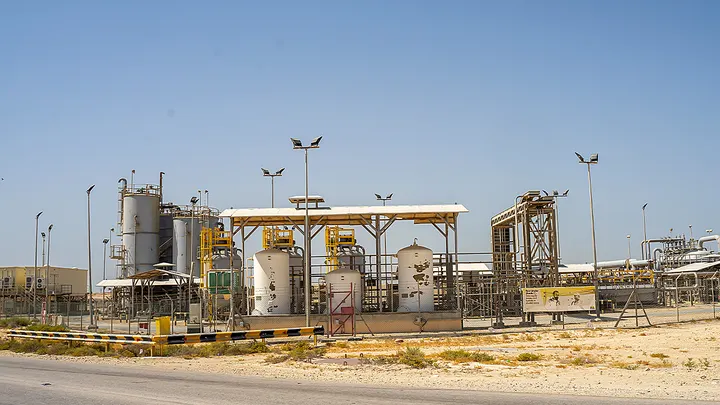
According to warnings from U.N. official Kaveh Madani, Iran could strike key desalination plants within days, raising the prospect of a full-blown “water war” in one of the driest regions on Earth. Because when things weren’t tense enough, now we’re talking about targeting the very systems people rely on to survive.
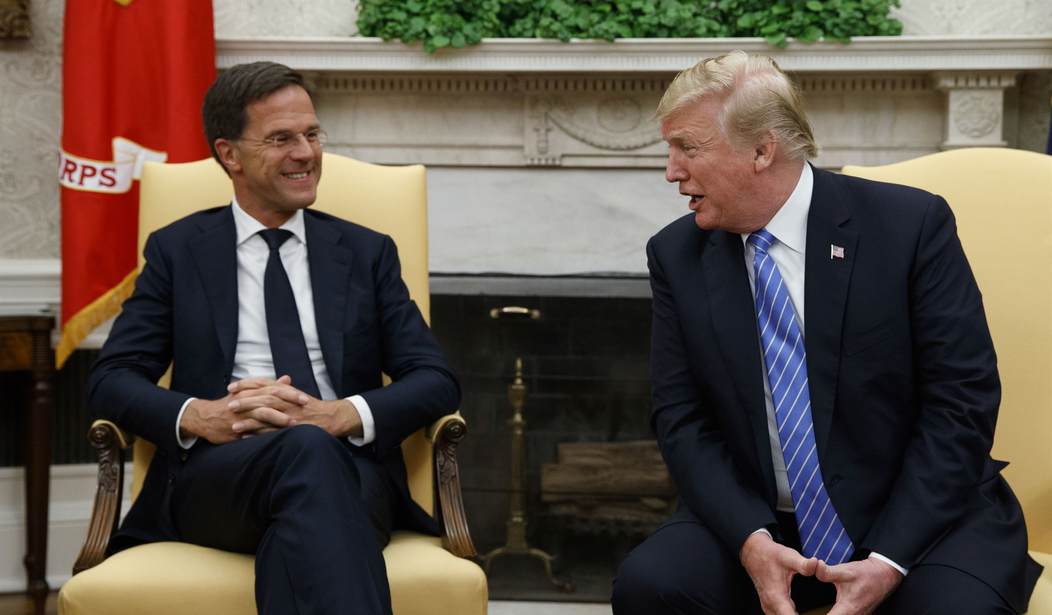
These threats come after President Donald Trump issued a firm ultimatum: reopen the Strait of Hormuz or face strikes on Iran’s power infrastructure. In response, Iranian officials made it clear they are prepared to retaliate—not just against military targets, but against critical infrastructure across the region.
A spokesperson tied to Iran’s military command warned that if their energy facilities are attacked, they will strike desalination plants, energy systems, and even information technology infrastructure belonging to the U.S. and its allies in the region. In other words, escalation on a whole new level.
Madani didn’t hold back in describing the potential fallout. He warned that attacks on desalination facilities—already reported in places like Qeshm Island and Bahrain—could trigger catastrophic consequences, including widespread water shortages, infrastructure collapse, and long-term economic disruption.
For context, desalination is essential in this region. It’s how countries like Israel and many Gulf nations provide drinkable water in an environment where natural freshwater is scarce. Target those systems, and you’re not just hitting infrastructure—you’re threatening basic human survival.
And the ripple effects wouldn’t stop there.
Iranian officials, including parliamentary speaker Mohammad-Bagher Ghalibaf, have warned that such strikes could lead to the destruction of critical infrastructure across the region, pushing oil prices higher and prolonging instability in global energy markets. Add in the continued closure of the Strait of Hormuz, and you’re looking at serious consequences for the global economy.
Madani also pointed out that power outages could cripple water treatment and distribution systems, compounding the crisis. The result? A potential humanitarian disaster, with millions at risk of losing access to both water and electricity.
Let’s be clear: this isn’t just military posturing anymore. This is about targeting civilian lifelines—water, energy, and basic infrastructure.
The silver lining? The threat is out in the open, and that visibility matters. With strong leadership and decisive action, there’s still a chance to prevent this from spiraling further.
Because when it comes to protecting lives and stability, drawing a firm line isn’t escalation—it’s necessity.