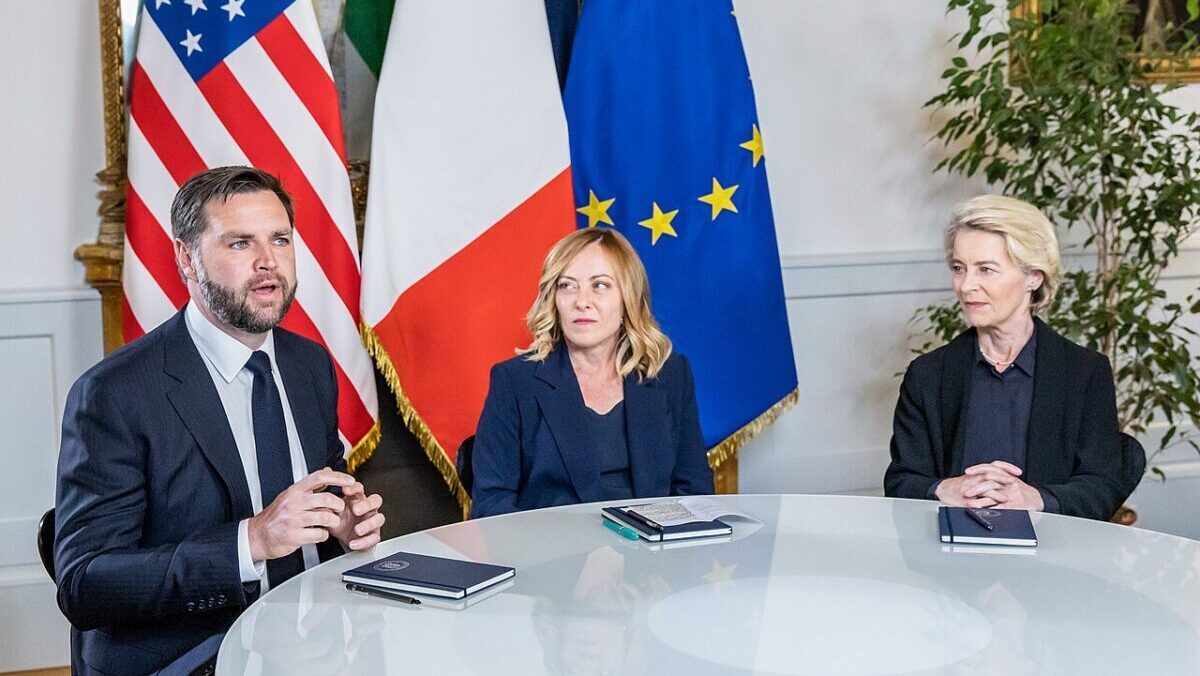
When Vice President J.D. Vance spoke at the Munich Security Conference in February 2025, many European leaders dismissed his message as harsh, exaggerated, or even “absurd.” His warning was simple but blunt: Europe had spent decades drifting away from core Western values and weakening its ability to defend the free world.
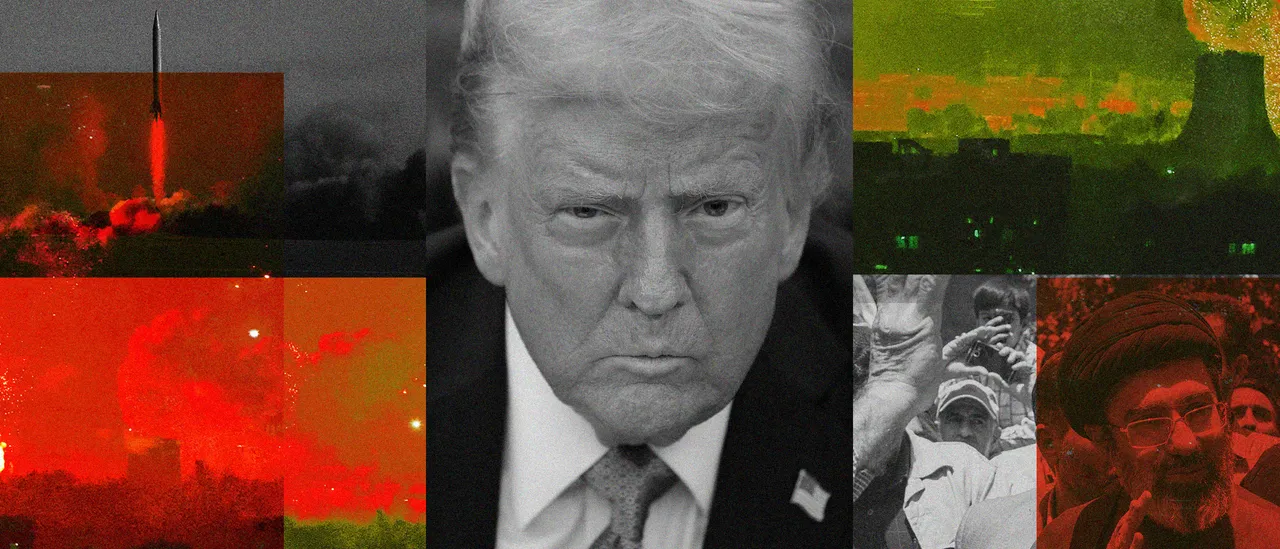
Now, as the war involving the United States, Israel, and Iran unfolds, that warning looks far less controversial.
The European Union has no shortage of reasons to take Iran seriously. For decades, Tehran has been connected to terrorist activities across Europe and has repeatedly detained European citizens as political leverage.
One of the most well-known examples involved British-Iranian citizen Nazanin Zaghari-Ratcliffe, who was arrested in Iran in 2016 and held for years. She was only released in 2022 after the United Kingdom paid nearly £400 million in long-standing debt to Tehran.
With that history, Europe had a clear opportunity to stand firmly with its allies as the United States and Israel launched strikes against Iran. Instead, the response from many European capitals appeared hesitant, divided, and slow.
European Commission President Ursula von der Leyen announced that a special security meeting would be held 48 hours after the strikes began. The delay quickly became the subject of widespread criticism, with many observers noting that major global crises rarely wait for convenient meeting schedules.
The broader European response largely focused on calls for de-escalation rather than direct support for the U.S.-Israeli operations. While diplomacy always has a place, critics argue that hesitation in moments like this raises questions about Europe’s strategic credibility.
The United Kingdom’s reaction drew some of the strongest criticism.
Prime Minister Keir Starmer initially emphasized that Britain had no role in the U.S.-Israeli strikes and would not take offensive action. The statement quickly triggered backlash from commentators and political leaders who believed Britain should have supported its allies more decisively.
Reports later revealed that the British government had initially declined U.S. requests to use military bases such as RAF Fairford and Diego Garcia for operations against Iranian targets. Only after Iranian attacks struck a UK base in Cyprus did London allow American forces to use those facilities and begin deploying its own military assets.
By that point, critics said the decision came far too late.
President Donald Trump reportedly described the move as “too little, too late,” while former British leaders including Boris Johnson and Liz Truss openly criticized the government’s hesitation. Even former Prime Minister Tony Blair argued that Britain should have backed the United States immediately.
Analysts have also pointed to domestic political pressures inside the UK as a factor influencing the government’s cautious approach. Some observers believe leaders worried that deeper involvement in the conflict could create political backlash in districts with large Muslim populations.
France and Germany responded somewhat more assertively than Britain. The two countries issued a joint statement condemning Iran’s retaliatory actions and pledged defensive support.
French President Emmanuel Macron also announced plans to strengthen France’s nuclear deterrent and deploy nuclear-capable aircraft to allied European nations.
Still, the overall picture has reinforced the argument that Europe’s role in global security has diminished over time. As the United States and its allies continue to confront major international threats, many observers believe the West remains strongest when its partners act with clarity, unity, and resolve.
And as the current conflict demonstrates, leadership and strength still matter — especially when defending the security and stability of the free world.