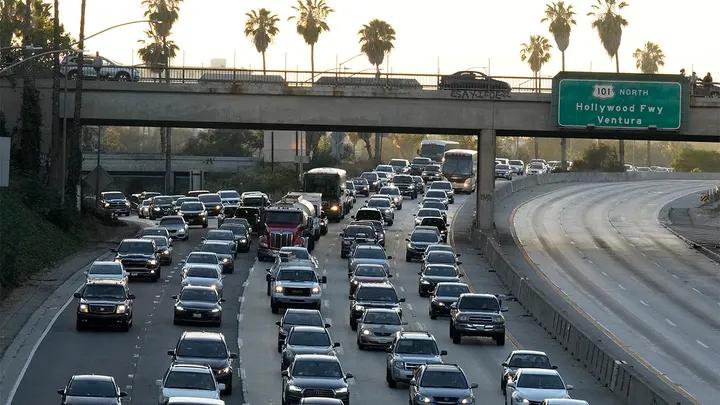
Here’s some rare and welcome news out of Washington: people who actually use their cars to earn a living are getting a bigger tax break in 2026.
The Internal Revenue Service announced this week that the standard mileage rate for business driving will increase by 2.5 cents per mile starting Jan. 1. That means more money staying in the pockets of workers who rely on their vehicles every single day—self-employed Americans, gig workers, freelancers, and small business owners who already know what it costs to keep a car on the road.
The standard mileage rate is the IRS-set figure used to calculate deductible vehicle expenses when filing federal income taxes. It’s expressed in cents per mile and allows taxpayers to deduct the cost of using a personal vehicle for work-related driving. And unlike the folks writing policy memos from downtown offices, working Americans feel every penny when gas prices, maintenance, and repairs go up.
Under the new rates, beginning Jan. 1, drivers will be able to deduct 72.5 cents per mile for business use. The rate for medical purposes will be 20.5 cents per mile, the same 20.5 cents per mile will apply to moving purposes for certain active-duty members of the Armed Forces and eligible members of the intelligence community, and the charitable mileage rate will remain unchanged at 14 cents per mile. No surprise there—Washington never rushes to adjust that one.
The IRS said the changes reflect updated cost data and annual inflation adjustments. Not exactly a groundbreaking revelation, but at least it acknowledges what Americans have been saying for years: driving costs more than it used to.
The mileage rates apply across the board to fully electric, hybrid, gasoline, and diesel-powered vehicles. And for taxpayers using leased vehicles, the standard mileage rate must be applied consistently for the entire lease period, including renewals.
The IRS also noted that the mileage rate for medical and moving purposes is based only on costs that rise as driving increases, such as gas, oil changes, and basic maintenance—things working families pay for whether the economy is “booming” on paper or not.
At the end of the day, this adjustment is a straightforward reminder that when tax policy recognizes real-world costs, everyday Americans benefit. It’s not flashy, it’s not political theater—it’s just a practical update that rewards work, responsibility, and productivity. And that’s always a step in the right direction.