Israel signaled Monday that it does not intend to withdraw forces from southern Lebanon despite reports that Lebanon was included in the broader framework announced by President Donald Trump and Iran to end regional hostilities, exposing one of the first major tests facing the emerging agreement.
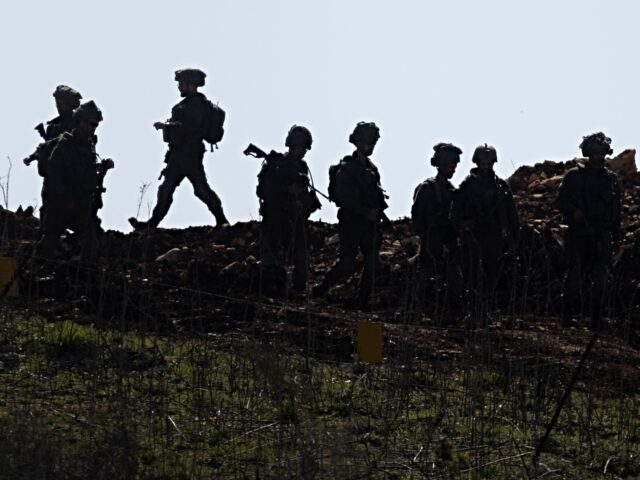
Israeli Defense Minister Israel Katz said Israeli forces would remain in southern Lebanon regardless of outside pressure, reinforcing a position that appears to diverge from expectations surrounding the newly announced diplomatic framework.
The disagreement highlights a central reality often hidden behind major diplomatic announcements: agreements designed to calm regional conflicts do not automatically align every actor’s security calculations.
Reports surrounding the memorandum of understanding suggested that military operations across multiple fronts — including Lebanon — would be included in efforts to reduce tensions and create conditions for broader negotiations. At the same time, key details of the agreement remain unpublished and implementation mechanisms have not yet been fully clarified.
Katz reportedly argued that maintaining Israeli military positions remains necessary for border security and protection against Hezbollah activity, and said that Israeli leadership had communicated that position to senior U.S. officials.
Supporters of Israel’s position argue that ceasefires and diplomatic understandings cannot substitute for security guarantees. They contend that withdrawing before threats are neutralized risks recreating conditions for future conflict and that Israel’s leadership has an obligation to prioritize long-term security over external pressure.
Critics, however, argue that refusing to align with broader de-escalation efforts could undermine fragile diplomatic progress and complicate attempts to stabilize the region. They also warn that if expectations around Lebanon become unclear, implementation disputes could quickly become flashpoints.
One additional complication remains unresolved: reports have differed on whether Israeli withdrawal was ever formally required under the U.S.-Iran framework or whether the understanding focused more narrowly on reducing active hostilities rather than changing territorial positions.
That distinction matters.
Ending military operations and withdrawing troops are not always the same policy.
And that may become one of the first serious questions facing the agreement: whether this moment represents the beginning of regional de-escalation — or simply a pause while competing security priorities are negotiated in public.
Because in the Middle East, ceasefires are often announced in headlines. Their durability is usually decided afterward.