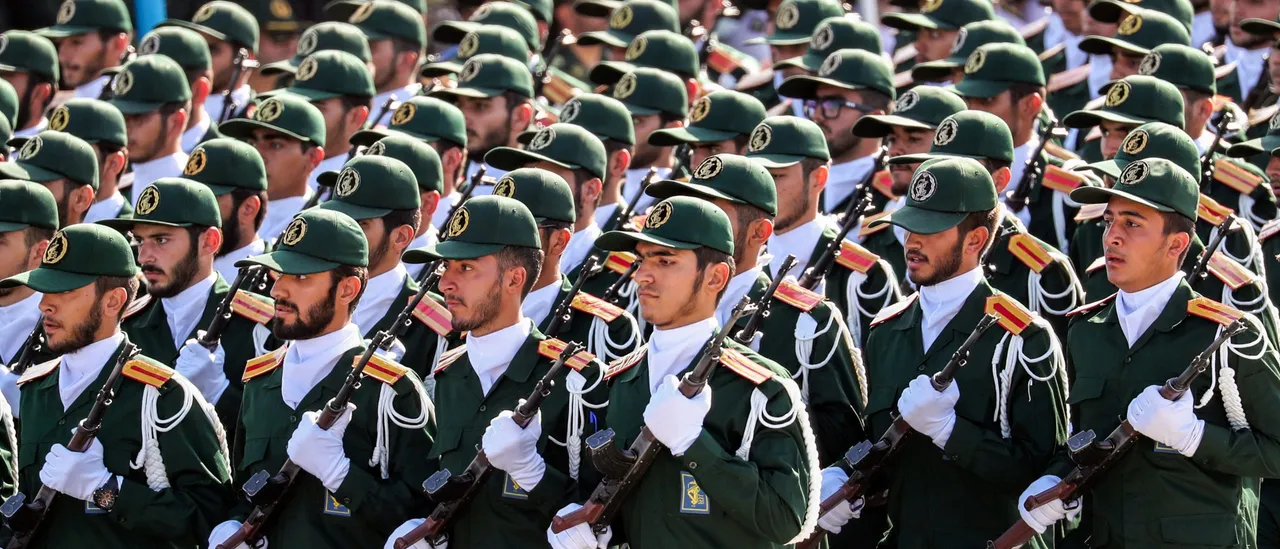
In a major development out of the Middle East, an Israeli airstrike has reportedly taken out Major General Seyed Majid Khademi, the intelligence chief of Iran’s Islamic Revolutionary Guard Corps (IRGC). And yes—this wasn’t just any target.
According to Israeli Defense Minister Israel Katz, the strike specifically targeted Khademi, who was considered one of the IRGC’s top three leaders. Iranian state media confirmed the killing, describing him as “martyred”—which, as usual, is their way of acknowledging a serious loss while trying to keep morale intact.
Khademi’s elimination marks yet another high-level hit as Israel continues focusing on senior Iranian officials, military leaders, and even nuclear scientists. Turns out, those positions are becoming… let’s just say, increasingly difficult to hold long-term.
Iran’s response? Predictable.
Major General Amir Hatami, commander-in-chief of Iran’s regular army, insisted that strikes like this won’t weaken the “spirit of resistance” of the Iranian people. That message has been repeated often—but so have the losses.
This latest strike comes just over a month after the United States and Israel launched Operation Epic Fury on February 28, ramping up coordinated pressure on Tehran. Since then, the pace—and precision—of these operations has clearly intensified.
And here’s the reality: removing a figure like Khademi isn’t just symbolic. Intelligence leadership plays a critical role in coordination, strategy, and internal security. Losing someone at that level creates disruption—no matter how confidently officials try to spin it afterward.
While tensions remain high and the situation continues to evolve, one thing is becoming increasingly clear: strategic operations like this are reshaping the battlefield in real time.
And as events unfold, the message being sent is hard to ignore—precision, resolve, and accountability are driving the response.