
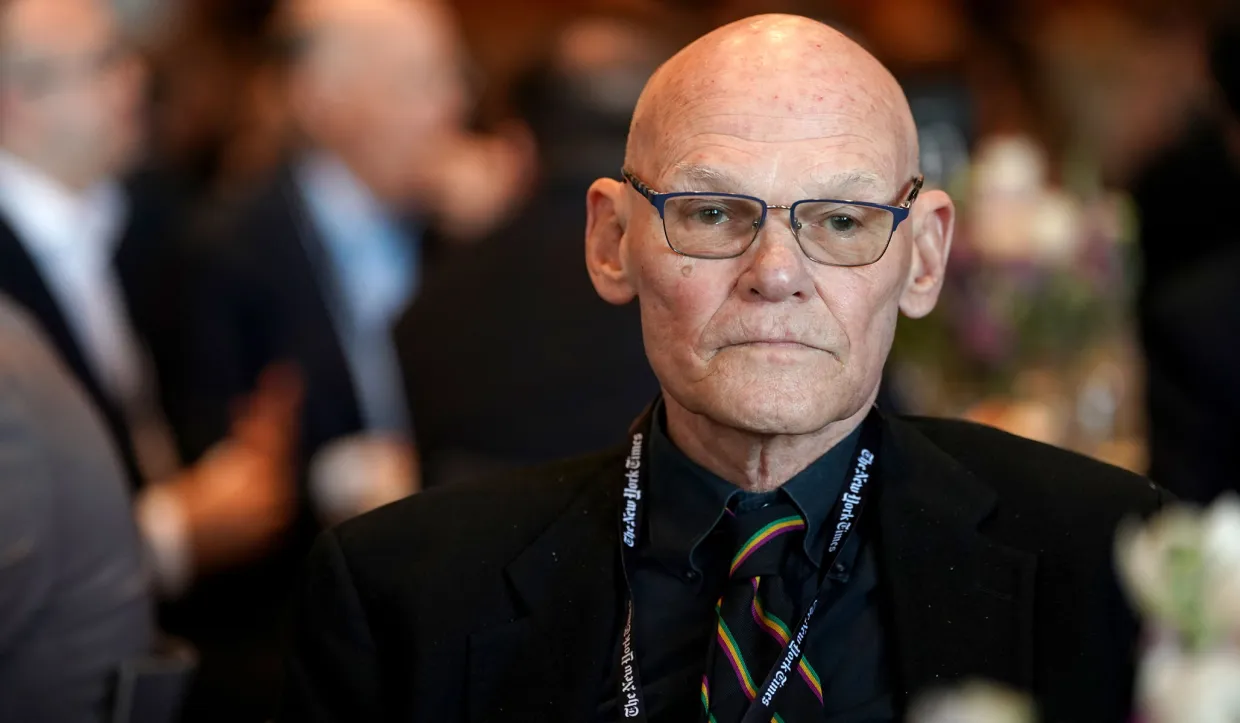
Well, if there were still any doubts about where parts of the Democratic Party want to go next, longtime strategist James Carville may have just cleared that up—loudly.
Carville recently suggested that if Democrats gain full control of Washington in 2028, they shouldn’t waste time easing into policy or building consensus. Instead, he proposed a sweeping agenda right out of the gate: grant statehood to Puerto Rico and Washington, D.C., and expand the Supreme Court to 13 justices. His message? Don’t campaign on it, don’t explain it—“just do it.” Subtle as ever.
For those keeping track, that’s not exactly minor procedural reform. That’s a full-scale restructuring of the political system—touching Congress, the presidency, and the judiciary all at once. But sure, nothing controversial there.
What makes this especially striking is who’s saying it. Carville has long been seen as a seasoned political operator, someone who once argued that true contrarians challenge their own side. Now, he’s openly encouraging a strategy that critics say would sidestep long-standing norms in favor of raw political advantage.
And let’s be honest—the implications are hard to ignore.
Implementing this agenda would likely require eliminating the filibuster, expanding the Supreme Court beyond its longstanding nine justices, and admitting new states without bipartisan agreement. That’s not just policy change—that’s rewriting the rules of the game mid-play.
Historically, even the idea of court-packing has triggered serious backlash. The last major attempt was met with strong resistance, including from members of the same party proposing it at the time. The concern then—and now—is that turning the Court into a political tool undermines its credibility and the broader constitutional system.
Supporters of such moves might argue they’re necessary responses to political challenges. Critics, however, see it differently: as an attempt to consolidate power by reshaping institutions rather than competing within them. And when the strategy includes “don’t talk about it, just do it,” it doesn’t exactly scream transparency.
There’s also the broader political reality. Major, aggressive shifts like these don’t always play well with voters. In fact, recent political history suggests that bold, sweeping moves—especially those seen as overreach—can backfire, pushing voters in the opposite direction.
At the end of the day, Carville’s comments offer a revealing glimpse into one possible direction for the Democratic Party’s future governing strategy. Whether it’s embraced or rejected remains to be seen—but voters are paying attention.
And if there’s one constant in American politics, it’s this: when leaders push too far, too fast, the public tends to have the final word.
- Politics
By 4ever.news
James Carville Floats Radical Agenda—And Says Democrats Should “Just Do It”
Trending News
- Politics
Today, April 21, all Virginia must vote
20 hours ago- Politics
- Trump
FBI Agent Under Scrutiny as New Allegations Raise Questions
23 hours ago- Politics
- Trump
Stefanik Clashes With CNN’s Tapper Over Trump Remarks, Calls
1 days ago- Politics
- Trump
Trump Moves to Fast-Track Psychedelics, Giving Hope to Veter
2 days ago
All About Trump
- Trump
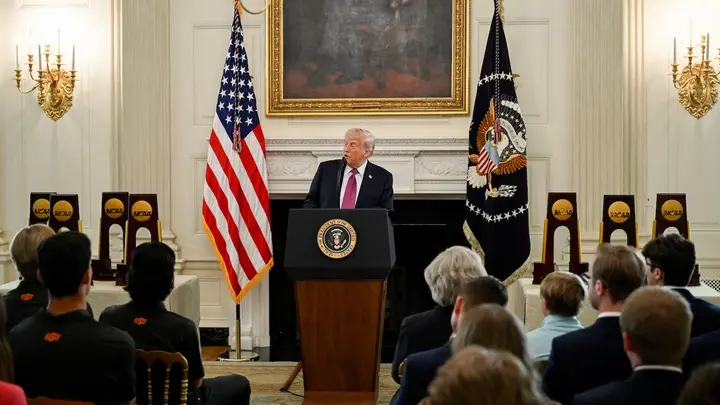
Donald Trump Warns U.S. Olympic Future at Risk Without College Sports Reform
President Donald Trump warned that the future strength of Team USA could be in jeopardy if major changes are not made to the college sports system, emphasizing the critical role collegiate athletics play in developing elite athletes. ?Speaking during a 10 hours ago
- Trump