
Rep. Jasmine Crockett (D-Texas) is facing intense criticism following comments she made on her podcast while discussing the murder conviction of Karmelo Anthony in the fatal stabbing of Texas teenager Austin Metcalf.
During Tuesday’s episode of “Clock It with Crockett,” the congresswoman offered her interpretation of the case, prompting a wave of backlash from critics who argued that several of her claims were inconsistent with publicly reported facts and court proceedings.
The controversy erupted shortly after a Collin County jury convicted Anthony, now 19, of first-degree murder in the death of 17-year-old Austin Metcalf. Jurors reportedly deliberated for approximately three hours before reaching their verdict.
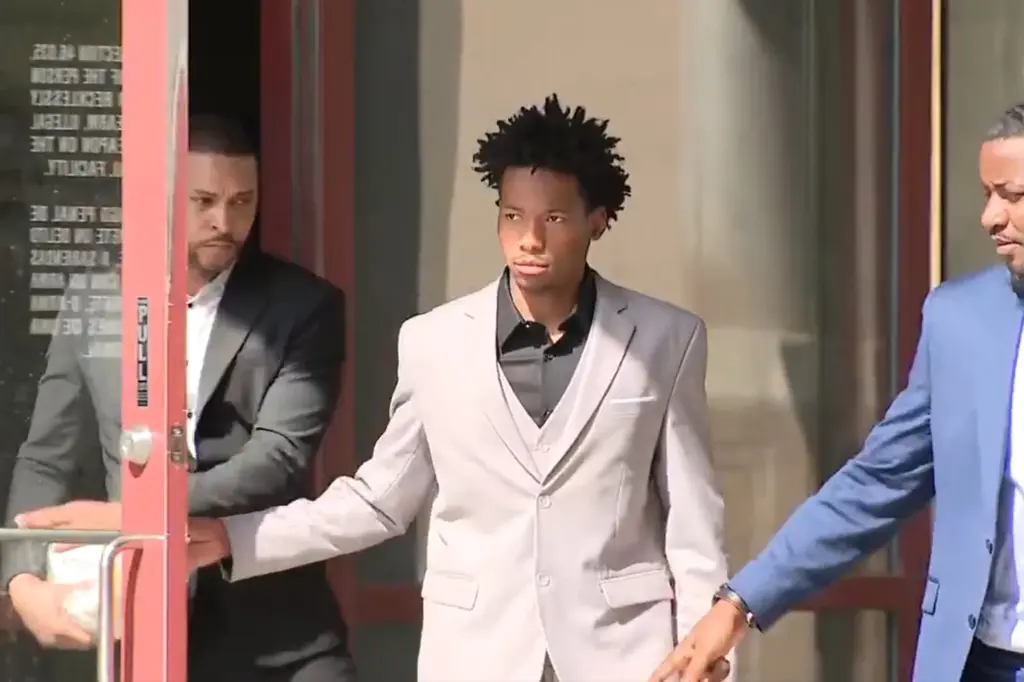
Critics on social media quickly challenged Crockett's characterization of the case, highlighting what they described as factual inaccuracies regarding the circumstances surrounding the stabbing. Numerous users pointed to the trial's outcome and the evidence presented before the jury, arguing that the congresswoman's remarks misrepresented key aspects of the incident.
Several posts circulating online accused Crockett of minimizing the severity of the attack and questioned her understanding of the legal issues involved. The criticism intensified as clips from the podcast spread across social media platforms.
The congresswoman's comments also renewed attention to previous controversial statements she has made regarding criminal justice matters. Opponents argued that her latest remarks reflect a pattern of rhetoric that they believe is disconnected from the realities faced by victims of violent crime.
For many observers, the focus remains on the tragic death of Austin Metcalf and the jury's decision after hearing the evidence presented during the trial. The conviction marked the conclusion of a case that drew significant public attention and sparked widespread discussion across the country.

As debate over Crockett’s comments continues, critics argue that elected officials have a responsibility to discuss serious criminal cases accurately and responsibly. After all, when the facts have already been examined in a courtroom, rewriting them on a podcast is unlikely to persuade those who followed the case closely.
With Anthony now convicted and sentenced, attention is increasingly turning toward broader discussions about accountability, public discourse, and the role political figures play when commenting on high-profile criminal cases. For many Americans, respect for the facts—and for the victims at the center of these tragedies—remains essential.