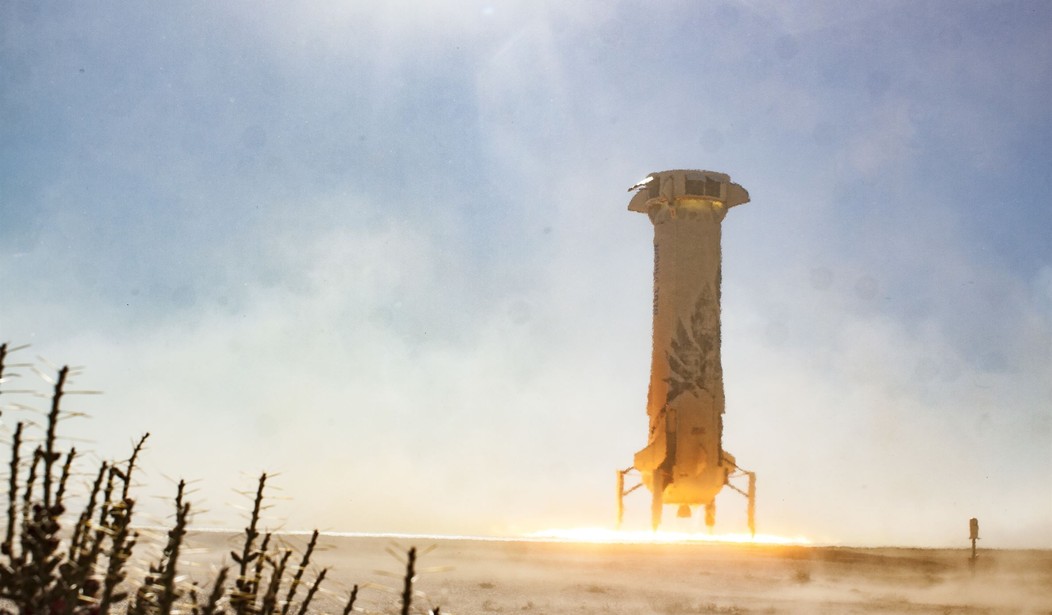
Jeff Bezos is no stranger to headlines. Between his massive yacht, his Amazon empire, and his high-profile space ambitions through Blue Origin, the billionaire businessman has built a reputation around going big. This time, however, one of those big moments ended in a gigantic fireball.
A Blue Origin launch vehicle reportedly exploded dramatically, sending flames and debris into the sky during the failed mission. The incident immediately sparked reactions across the aerospace world, including from SpaceX founder Elon Musk, who responded with a short but brutally accurate observation: “Rockets are hard.”
And honestly, that may have been the understatement of the year.
The explosion serves as another reminder of the extreme difficulty and risk involved in modern space exploration, where even companies backed by virtually unlimited money and top engineering talent can still face catastrophic setbacks.
Blue Origin has spent years attempting to compete in the rapidly evolving private space race, going head-to-head with Elon Musk’s SpaceX as billionaires increasingly push the boundaries of commercial spaceflight. While Bezos has invested enormous resources into the company, SpaceX continues to dominate much of the conversation surrounding innovation, launches, and operational success.
The fiery incident quickly gained attention online, with many pointing out Musk’s reaction as both respectful and subtly competitive — the kind of response you’d expect from someone who has personally survived multiple rocket explosions while building one of the world’s leading aerospace companies.
Despite the failure, experts and industry observers acknowledge that setbacks are part of the reality of rocket development. Every major space program in history, including NASA’s, has faced crashes, explosions, and failed launches while advancing technology.
Still, critics online couldn’t resist noting the contrast between flashy billionaire branding and the harsh reality of physics. Building rockets, it turns out, is slightly more difficult than delivering same-day packages.
Even so, supporters of American innovation argue the continued competition between companies like Blue Origin and SpaceX ultimately benefits the United States by driving technological advancement, strengthening national capabilities, and keeping America at the forefront of space exploration.
In the end, the mission may have exploded, but the broader American push toward innovation and space leadership continues moving forward.