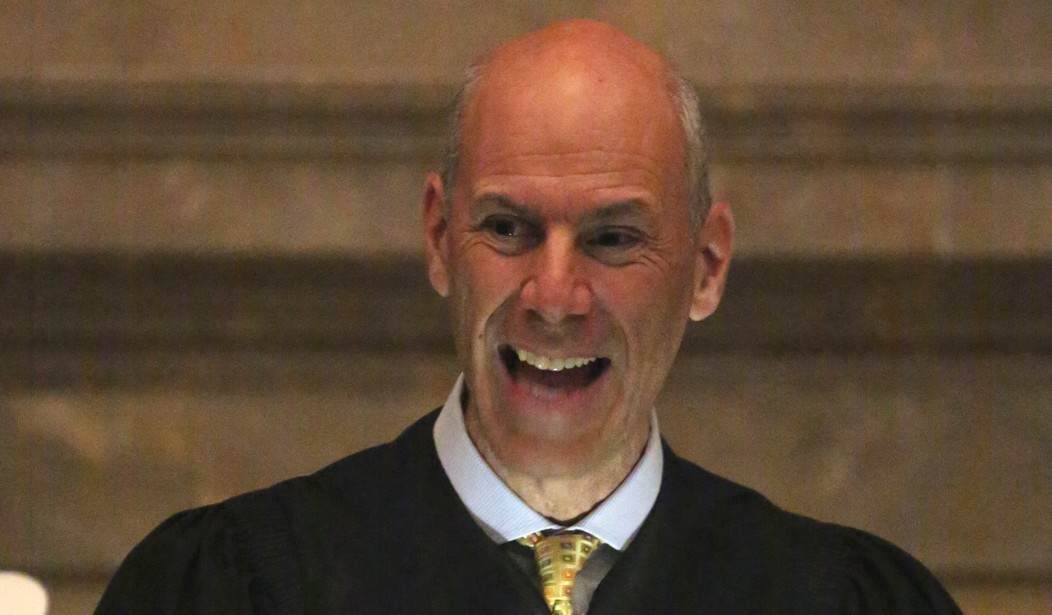
Chief U.S. District Judge James Boasberg is once again at the center of controversy after ordering a temporary change to how grand juries operate in Washington, D.C.—a move that’s raising eyebrows for how unusual it is.
Under the new directive, grand juries will now be required to notify the court when they decline to issue indictments. That might sound like a small procedural tweak, but in reality, it’s a significant departure from how the system typically works.
Grand juries are designed to function independently, operating largely behind closed doors. Their role is to determine whether there is enough evidence to move forward with charges—and when they decide not to, that usually marks the end of the matter, quietly and without additional reporting requirements.
Judges, for their part, oversee the process at a high level, but they generally don’t step in to demand updates when no indictment is issued. That’s what makes this change stand out. It introduces a layer of visibility that isn’t commonly required at this stage.
The timing of the move is also drawing attention, particularly as it comes after instances where grand juries reportedly declined to bring charges in certain cases. Critics are questioning whether this kind of procedural shift could impact the traditional independence of the grand jury system.
Supporters might argue it’s about transparency—but others see it as an unusual level of involvement in a process that’s supposed to remain insulated from outside influence. Because if grand juries are meant to operate freely, adding reporting requirements starts to blur that line.
At the end of the day, the core issue here is balance: ensuring accountability without undermining independence. And changes like this are bound to spark debate about where that line should be drawn.
One thing is certain—when long-standing legal norms are adjusted, people are going to ask questions. And in this case, there are plenty of them.
As the situation develops, the focus will remain on whether this decision strengthens the justice system—or complicates it. Either way, it’s a reminder that even procedural changes can carry big implications.