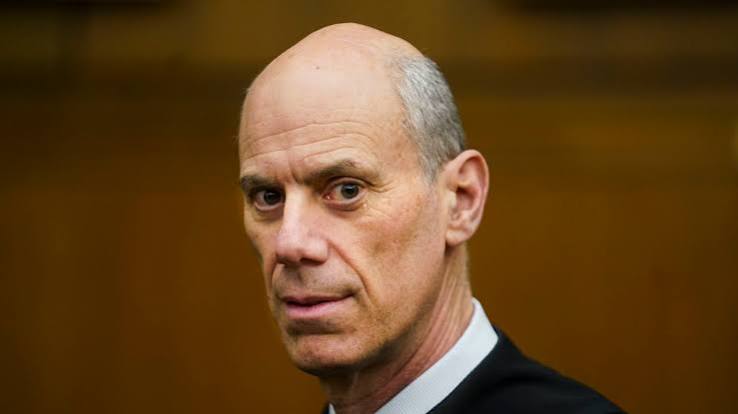
Federal Judge James Boasberg, famously dubbed a "Radical left lunatic" by President Donald Trump, finds himself at the center of a swirling controversy. This Obama-appointed chief judge of the Washington, D.C. district court is presiding over an alarming number of high-profile cases challenging actions made by the Trump administration, raising serious questions about the impartiality and assignment process within the federal judiciary.
The latest flashpoint involves Boasberg overseeing a challenge brought by multiple media outlets seeking to unseal the search warrant on the Washington, D.C., home of Rep. Ilhan Omar, D-Minn. This warrant stems from two federal investigations, casting a long shadow over the Democrat congresswoman.
Public concern is palpable. "Judge James Boasberg is now involved with the Ilhan Omar case," observed Steve Ferguson, a business owner with a significant social media following on X. He then posed a question echoing the sentiment of many Americans: "Is everything rigged?"
Officially, cases in the federal court of the District of Columbia are assigned to judges "randomly" by an electronic system. This system is managed by the clerk's office, operating under the direction of a Calendar and Case Management Committee composed of three to five judges. However, this "randomness" appears to have some glaring exceptions.
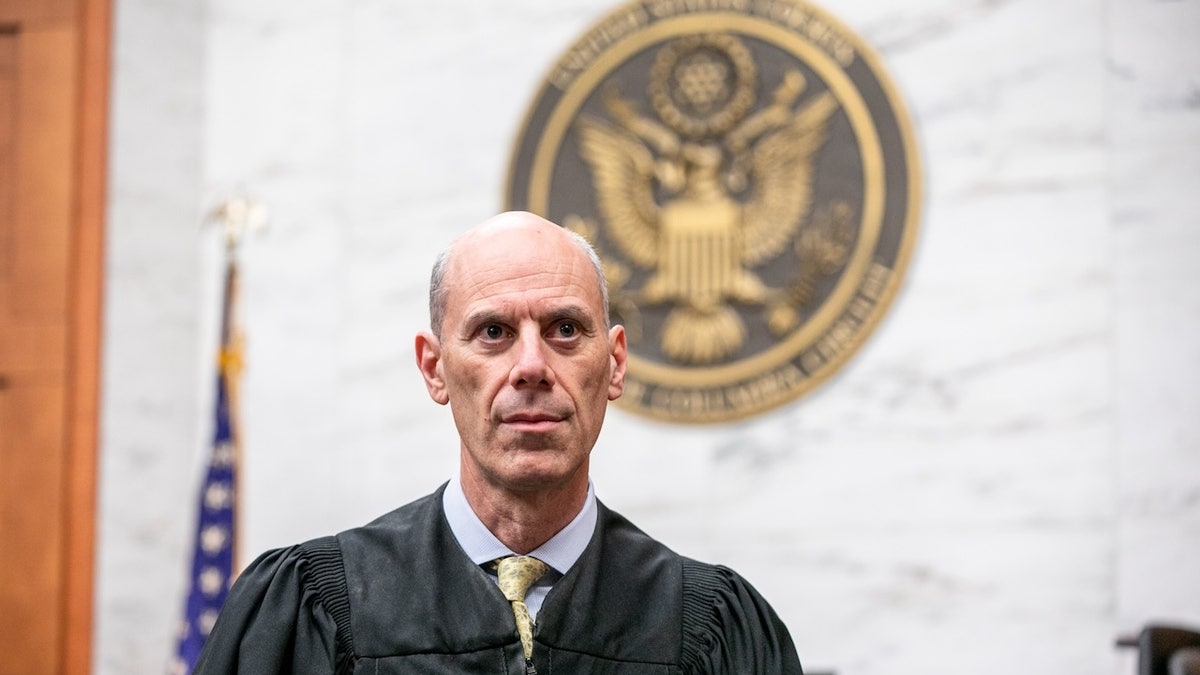
One such exception is that criminal grand jury matters are assigned to and overseen by the chief judge — currently Boasberg. This means his assignment to the legal battle over unsealing Omar's search warrant was, ironically, "not a surprise," according to Eric Wessan, Iowa’s solicitor general.
Yet, Wessan expressed broader concerns. "But there are a lot of cases that seem to be going to judges maybe based on those cases having similarities which is not what the local rules say," he told Fox News Digital. When a case truly needs reassignment, the Calendar and Case Management Committee decides how it's handled, further blurring the lines of transparency.
Wessan highlighted the validity of scrutinizing case assignments, particularly given the string of high-profile cases against the Trump administration landing on Boasberg's docket. "If one is just following anecdotally, there does seem to be a lot of high-profile cases in front of judges that seem to be expressing unusual amounts of frustration or disagreement with the administration," Wessan noted, pressing for greater transparency in the process.

Beyond the Omar warrant, Boasberg's judicial record against the Trump administration is extensive and concerning. He has overseen California’s lawsuit challenging the Trump administration over voter-roll disputes, even ordering the administration to hand over information on approximately 20,000 alleged noncitizens on California’s voter rolls.
Perhaps most notoriously, Boasberg issued a high-profile order in March 2025 that attempted to halt deportation flights carrying alleged Venezuelan gang members to El Salvador. This ruling directly contradicted the Trump administration's use of the Alien Enemies Act to justify these crucial deportations. The legal battle eventually reached the Supreme Court, which ultimately sided with the administration by vacating Boasberg's temporary restraining order, ruling the case was brought in the wrong jurisdiction. And somehow, such decisions keep landing before him.
The sheer volume of these cases has not gone unnoticed by principled lawmakers. In May 2025, Representatives Jim Jordan, R-Ohio, Darrell Issa, R-Calif., and Chip Roy, R-Texas, dispatched a pointed letter to the court clerk, demanding clarity on how judicial assignments are truly made. They questioned the very randomness asserted by the court’s rules.
"The Committee cannot independently verify the randomness of case assignments because the composition of assignment decks is kept secret," the lawmakers wrote, exposing a critical lack of transparency. Their goal was clear: "We must understand the nature of the case assignment process in the District Court—which is considering a number of cases challenging the Trump Administration’s policy decisions—to consider and develop appropriate legislation."

In a direct response to these concerns, Sen. Eric Schmitt, R-Mo., bravely introduced legislation in July, aptly named the Boasberg Act. This bill aims to mandate truly random case assignments in federal district courts, with no exceptions — a common-sense measure currently stalled in committee, a testament to the entrenched resistance to reform.
Schmitt minced no words, stating, "Judge Boasberg is the poster child for a rogue judge and exposed serious loopholes in our judicial system. Randomly assigning cases among judges ensures the American people can have confidence in the impartiality of our courts."
The existing D.C. Court rules grant the Calendar and Case Management Committee, not the chief justice, the power to reassign cases. Crucially, while judges and attorneys are notified, there's no public explanation for reassignments. This secrecy fuels the very skepticism it claims to avoid. As Wessan plainly put it, "The rules shouldn’t say one thing if it’s not true. But if it is true, they could just say so."
Given the undeniable pattern of "concerning episodes" in the district court, demanding transparency regarding exceptions to the so-called "random-assignment system" is not merely prudent — it is essential for restoring faith in an American justice system that increasingly appears anything but blind when it comes to the America First agenda.