In a resounding victory for common sense and federal authority, two federal judges have decisively struck down New York’s radical Climate Change Superfund Act, effectively blocking the state’s ambitious, and some would say absurd, plan to extort $75 billion from fossil fuel companies.
The monumental rulings serve as a critical check on state overreach, with the U.S. Department of Justice (DOJ) applauding the decisions as a "significant step in... protecting American energy from state overreach." This federal intervention comes as New York sought to impose its own climate agenda, demanding hefty payments for issues the state unilaterally blamed on climate change.
U.S. District Judge P. Kevin Castel issued a judgment against the law on September 25, just two days after articulating that the state's legislation unlawfully intruded upon federal authority. Among its fatal flaws, the law attempted to regulate greenhouse gas emissions that inherently cross state lines—a domain explicitly reserved for the federal government.
The ill-conceived New York law aimed to compel large fossil fuel extraction and crude oil refining companies to funnel money into a state fund for a quarter-century. Each company’s share was calculated based on greenhouse gas emissions attributed to its products globally from 2000 through 2024. The state’s stated goal: to bankroll infrastructure and other projects supposedly addressing climate change impacts.
Both the Justice Department and the Environmental Protection Agency (EPA) launched legal challenges, asserting that New York’s scheme violated the legal doctrine of preemption. This foundational principle dictates that federal law reigns supreme when it clashes with state statutes.
The federal government underscored that the Clean Air Act already grants the EPA the exclusive authority to determine how and if greenhouse gas emissions are regulated. New York’s law, conversely, sought to unilaterally impose its own liabilities on energy producers based on worldwide emissions—a clear overstep into federal and even international jurisdiction.
Predictably, New York attempted to sidestep these constitutional concerns, arguing its law didn’t regulate emissions but merely sought "compensation" for past emissions to fund local projects. Judge Castel saw through this flimsy pretext, rightly concluding that the state's charges were, in effect, a backdoor method of regulating interstate emissions.
In a parallel and equally vital decision, U.S. District Judge Brenda Sannes had already blocked the law on August 31, responding to a separate lawsuit brought by 22 states and various business groups. The fact that two different federal courts independently arrived at the same conclusion amplifies the legal vulnerabilities of New York’s progressive agenda.
Beyond domestic overreach, Judge Castel also pinpointed how the law egregiously infringed upon foreign affairs, seeking payments from companies for activities conducted outside U.S. borders. Such unilateral actions, as he noted, bypass established diplomatic channels and "needlessly complicate the nation’s foreign policy."
Associate Attorney General Stanley E. Woodward, Jr., didn’t mince words, stating, “New York’s woke climate change law is not only unconstitutional, it is harmful, jeopardizing every American’s access to affordable and reliable energy.” He added, “We are pleased with the district courts’ decisions finding New York’s law unlawful and recognizing that the Federal Sovereign, not the States, regulates our Nation’s energy market.” And there it is: a clear declaration that the federal government, not ideologically driven state capitols, should be setting national energy policy.
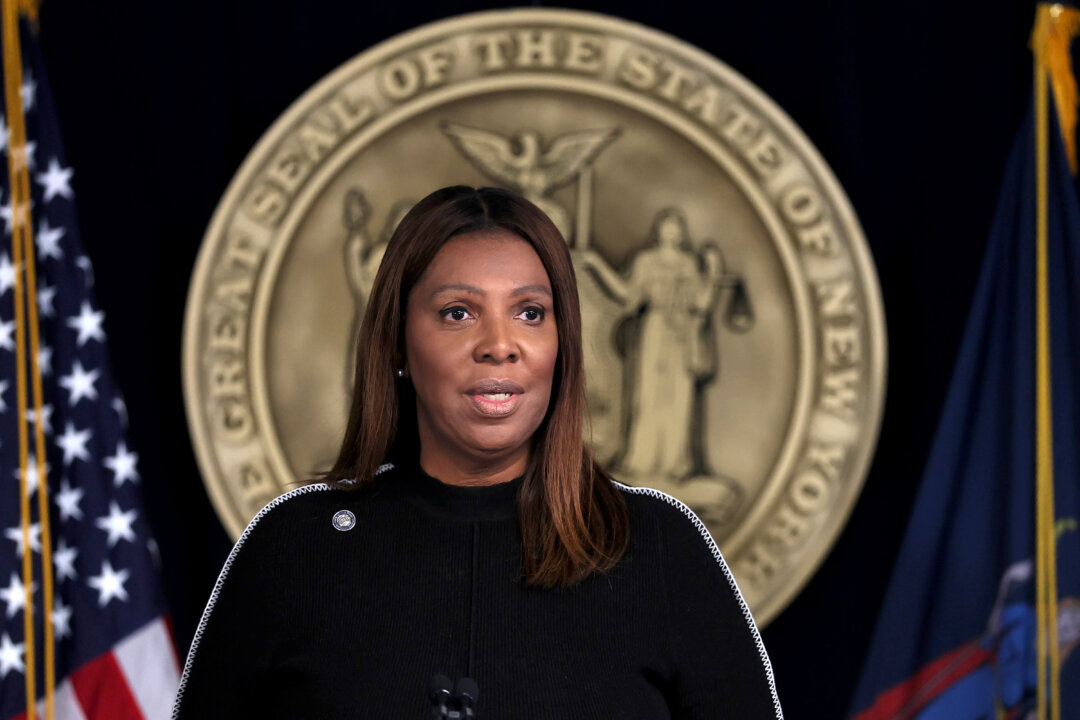
While activist groups like the Fiscal Policy Institute lauded the $75 billion grab as essential for "adapting to rising sea levels and the increasing frequency of extreme weather events," the courts rightly prioritized the Constitution and the fundamental principles of governance over politically motivated aspirations. New York Attorney General Letitia James, notably named as a defendant, chose not to comment on the rulings, a silence that speaks volumes about the indefensibility of their position.
This judicial smackdown reinforces a vital principle: states cannot unilaterally rewrite federal law or bypass international agreements under the guise of "climate justice." It's a win for energy producers, for the American consumer facing soaring costs, and for the integrity of our federal system, demonstrating that accountability will prevail against radical attempts to weaponize the legal system for a Green New Deal agenda.