In a display of defiance that rings increasingly hollow, Iranian Supreme Leader Mojtaba Khamenei recently declared that U.S. and Israeli operations had utterly failed to destabilize Iran's domestic security apparatus. His boast arrived just as the U.S. Army unveiled a new battlefield identification guide, signaling America's serious and continued readiness for potential engagement with Iran’s estimated 350,000-strong conventional military.
The timing couldn't be more telling, starkly contrasting Khamenei's rhetoric with the pragmatic preparations of American forces – and indeed, with the clear historical record of decisive action against the Mullah regime under President Donald Trump.
It was President Trump who famously asserted that Iran's military capabilities had been significantly degraded following U.S. strikes. "Every Iranian ship is at the bottom of the sea," he once declared, confident in America's ability to ensure that adversaries understand the cost of aggression. He detailed a reduction in Iran's drones and missiles, and stated unequivocally that the Iranian navy and air force had been decimated.
Despite this established reality, Khamenei took to X on October 8th, praising police personnel for allegedly resisting attacks launched in February under "Operations Epic Fury and Roaring Lion." He painted the U.S. and Israel as a "criminal US-Zionist enemy" whose "desperate efforts and malicious attacks on the pillars of social order and security... have not caused the courageous personnel of the Police Force to waver even a fraction in their mission."
Khamenei specifically lauded Iran's Law Enforcement Command (FARAJA), an institution known less for upholding justice and more for enforcing the regime's iron grip through brute force and ideological control. He claimed the "focus and persistence of the criminal US-Zionist enemy in striking at the Police Force... has only served to underscore the paramount importance of this institution more than ever."
But the truth about FARAJA is far more sinister. This domestic police organization, commanded by Brig. Gen. Ahmadreza Radan, is responsible for suppressing anti-government demonstrations, monitoring political activity, and enforcing the regime's stringent ideological restrictions.
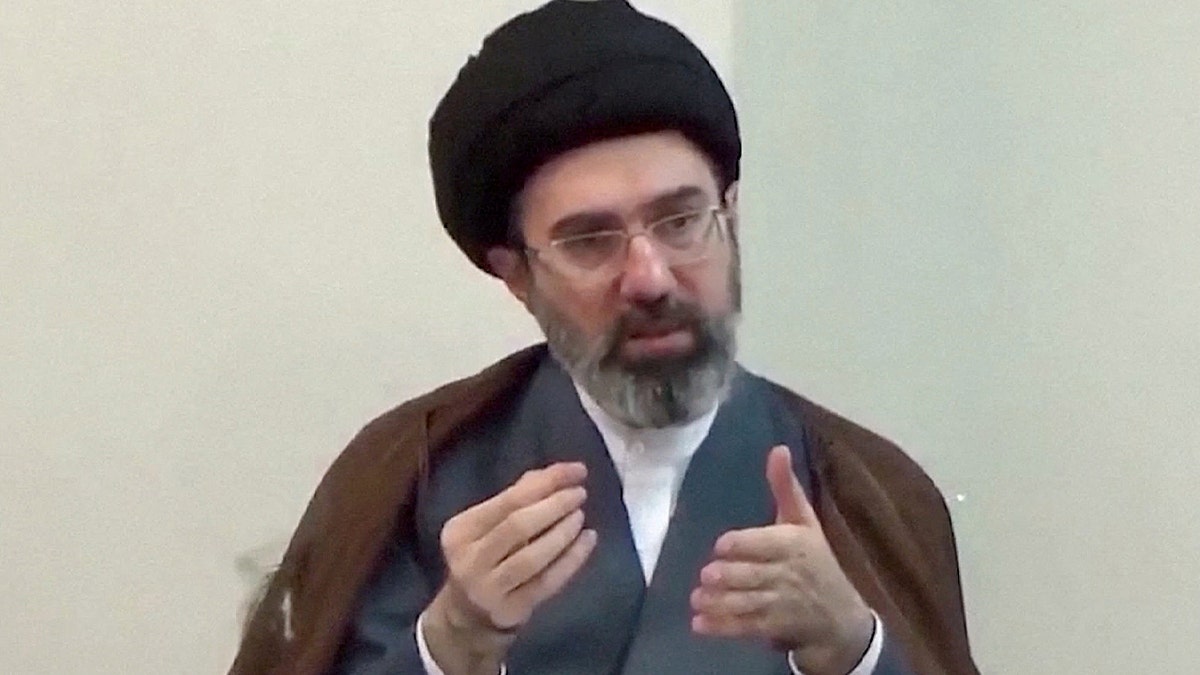
Radan himself has been sanctioned by the United States Treasury Department since 2010 for his documented role in beatings, killings, and arbitrary arrests of protesters following Iran's disputed 2009 presidential election. These are not the actions of a legitimate law enforcement body, but a repressive tool of a tyrannical regime.
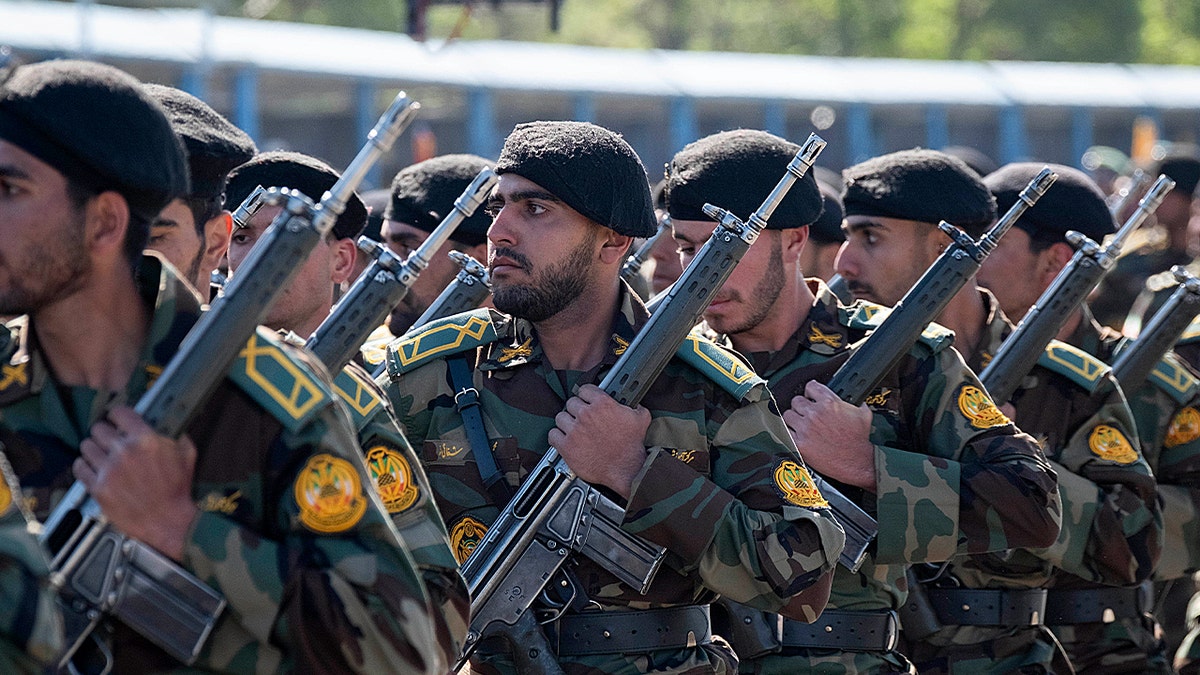
While Khamenei absurdly called for strengthening FARAJA with additional personnel, equipment, and even artificial intelligence, the U.S. Army's Training and Transformation Command was busy publishing its "Know the Threat" recognition guide on September 24th. This guide is a stark reminder that while Iran rattles sabers, America prepares its troops for reality, identifying Iranian special forces soldiers and the specific weaponry they might encounter, from AKM rifles to RPG-7 rocket-propelled grenade launchers.
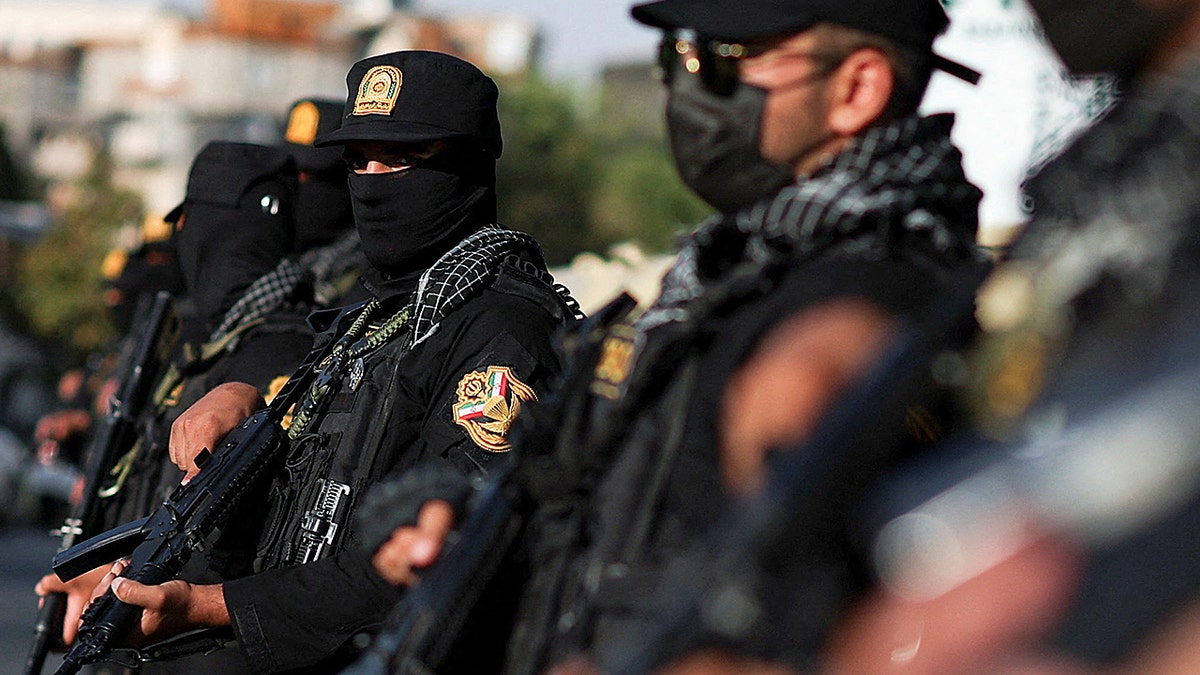
Iran's security apparatus is fractured into three main branches: the Artesh (conventional military), the Islamic Revolutionary Guard Corps (IRGC), and FARAJA. A June assessment by the Jerusalem Institute for Strategy and Security estimated the Artesh's Ground Forces at approximately 350,000 personnel, including a significant number of conscripts.
However, that same report delivered a sober assessment of Iran's actual military strength, confirming that the Artesh had indeed suffered "severe losses" across its air, naval, and air defense components during the initial phases of the U.S.-Israeli military campaign. Only its ground forces remained structurally intact due to the absence of a ground invasion. This assessment aligns perfectly with President Trump's earlier pronouncements of Iranian military degradation.
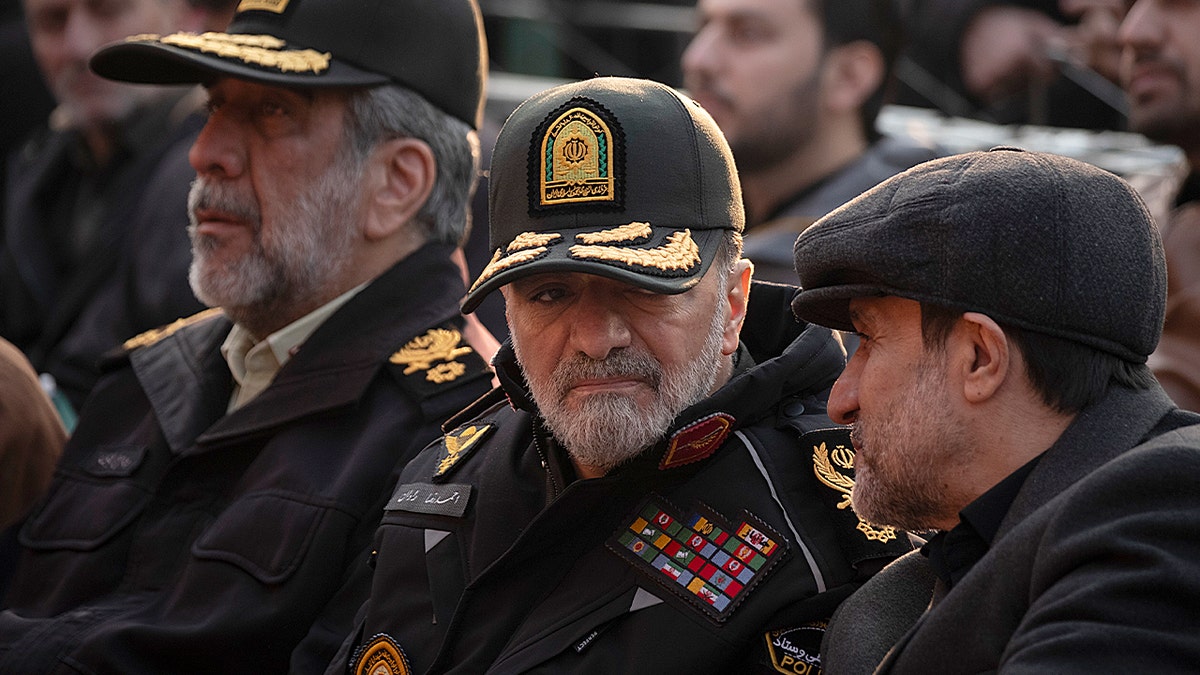
Despite these demonstrable weaknesses, Maj. Gen. Amir Hatami, who assumed command of the Artesh in June 2025, also issued a defiant warning on October 6th, claiming Iran's adversaries faced "historic confusion" for failing to halt military production during the conflict. He insisted that the country's military production lines continued operating despite American and Israeli attacks.
Yet, the extent of Iran's military recovery remains highly questionable. The reality is that the U.S. and its allies have taken a firm stance against the Mullah regime, a stance championed by leaders like President Trump, who prioritize American security and global stability over appeasement.
President Trump himself, on October 8th, indicated that Washington would not resume military strikes against Iran before the November 3rd midterm elections, citing "productive discussions." This shows a measured approach from a position of strength, always seeking the best outcome for America. While the regime in Tehran might emit defiant statements, the quiet resolve of the American military, backed by strong leadership, ensures that America remains vigilant and ready to defend its interests and those of its allies. The American people expect nothing less than steadfastness and clear-eyed realism in confronting dangerous regimes, not empty rhetoric.