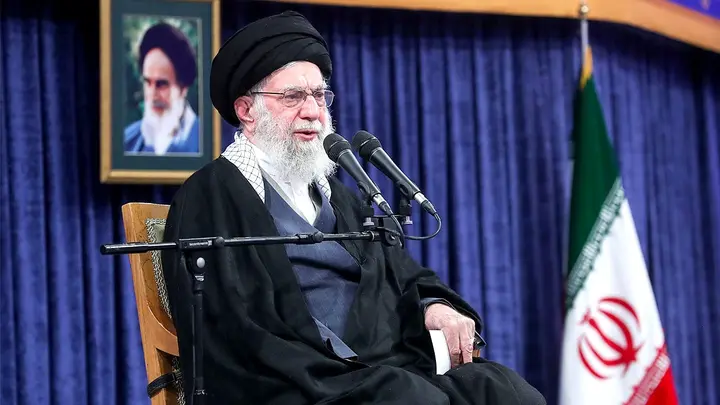
More than four months after the death of Iran’s Supreme Leader, Ali Khamenei, the Islamic Republic is preparing for what officials are calling a "historic" funeral on July 9. But as Tehran braces for enormous crowds, another question continues to linger: Why did the regime wait so long to bury the man who ruled Iran for decades?
The extraordinary delay stands in sharp contrast to long-standing Islamic burial customs, which generally call for the deceased to be buried as quickly as possible and discourage chemical embalming. That departure from tradition has fueled widespread speculation about how Khamenei’s remains have been preserved during the months leading up to the ceremony.
According to counterterrorism expert Dr. Omar Mohammed, the answer is likely far less mysterious than some rumors suggest.
"The mechanism is almost certainly refrigerated cold storage, not embalming, as Islam bars chemical embalming," Mohammed told Fox News Digital.
Even as questions about the delayed burial persist, Iranian authorities appear focused on something else entirely: security.
The regime is reportedly mobilizing the Basij militia—a powerful paramilitary force long associated with crushing protests and enforcing the Islamic Republic’s authority—while mounting an extensive security operation across Tehran ahead of the funeral. Officials are expecting what they describe as a "historic" turnout, though the unprecedented security measures underscore just how seriously the government is treating the event.
The Basij has played a central role in suppressing dissent for years, particularly during nationwide protests that challenged the regime’s grip on power. Its prominent role in preparations for Khamenei’s funeral is a reminder that, even during a moment intended to project unity, Iran’s leadership remains deeply concerned about maintaining control.
The unusual four-month gap between Khamenei’s death and his burial has only added another layer of intrigue to one of the most significant political transitions in modern Iranian history. While Islamic law traditionally emphasizes swift burial as a sign of respect for the deceased, the regime has chosen a markedly different course—one that has invited scrutiny both inside and outside the country.
As Tehran prepares for one of the most consequential state ceremonies in the Islamic Republic’s history, the heavy security presence may ultimately say as much as the funeral itself. Authoritarian governments often showcase strength during moments of transition, but they also reveal what they fear most: instability, public dissent, and the possibility that even carefully choreographed displays of power cannot fully mask uncertainty beneath the surface.