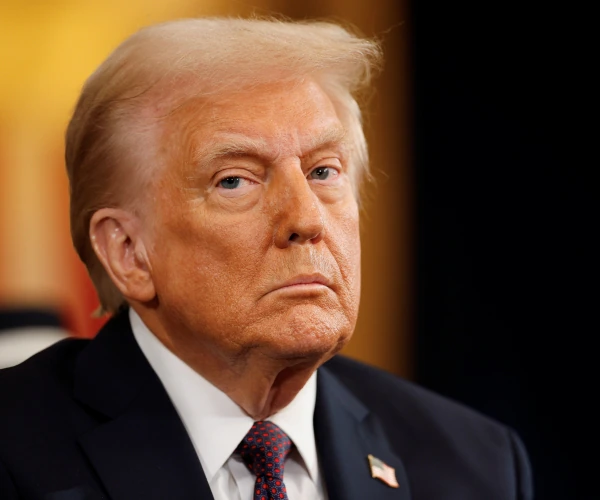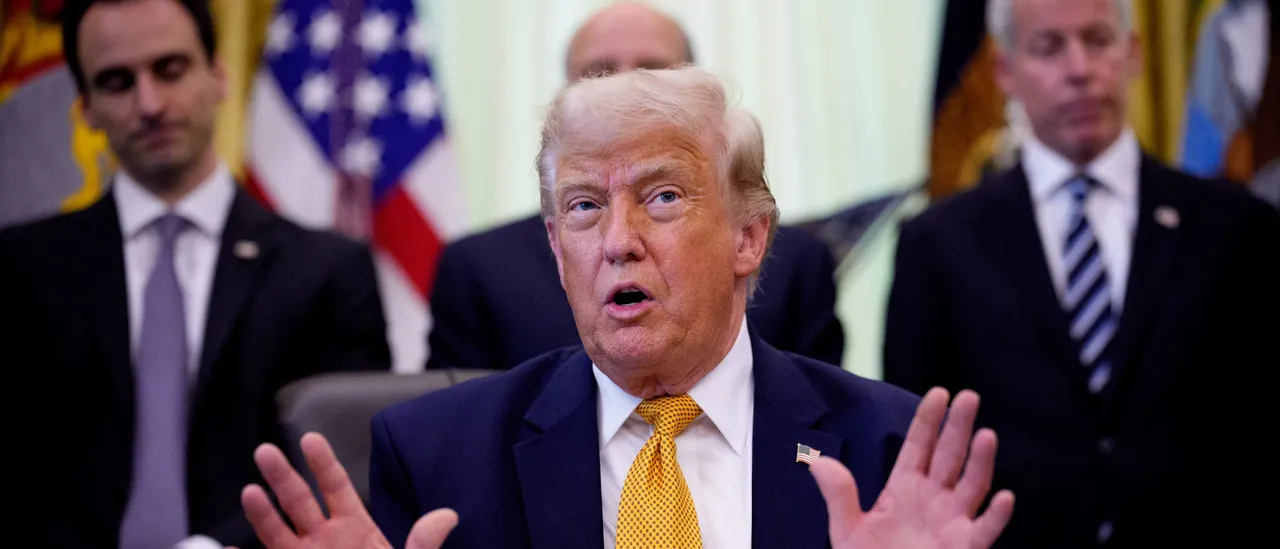
President Donald Trump’s administration is pressing pause on one of its own signature trade achievements — not as a retreat, but as a signal that the next round of economic negotiations may demand even more for American workers.
On Wednesday, the administration declined to renew the United States–Mexico–Canada Agreement (USMCA) in its current form, leaving the future of the roughly $2 trillion trade framework open for renegotiation rather than automatic continuation.
For Washington insiders raised on permanent agreements and managed decline, the move sounded unusual. For Trump’s political movement, it sounded familiar.
The USMCA took effect in July 2020 and replaced NAFTA, the decades-old trade structure that became a symbol for many Americans of factory closures, offshoring, and promises that never seemed to reach working communities. Trump campaigned against that model and later delivered a replacement built around tougher rules, revised manufacturing standards, and a more confrontational approach to trade.
Now the administration appears unwilling to treat even its own deal as untouchable.
Trade Ambassador Jamieson Greer announced that the administration would not extend the agreement in its “current form,” signaling that the White House sees room — or necessity — for another round of changes.
That matters.
Trump’s trade philosophy has never been built around preserving agreements for the sake of stability alone. The underlying argument has remained consistent: if a deal stops serving American interests, it gets revisited. If leverage exists, use it. If global partners benefit disproportionately, renegotiate.
Supporters of the approach see it as a rejection of the old bipartisan trade consensus that measured success in abstract GDP figures while industrial towns absorbed the losses.
The administration has not yet outlined what specific revisions it wants or what timetable it envisions for future negotiations with Canada and Mexico. But the message from Washington appears clear enough: continuity is not the goal — results are.
For years, Americans were told trade agreements were permanent facts of life and that questioning them meant rejecting modern economics and international commercial law. Trump built an entire political movement by asking a different question: if the deal is good for everyone, why did so many American workers feel left behind?
That question is back on the table.