Temporary was supposed to mean temporary.
That was the promise behind Temporary Protected Status — a narrow immigration tool designed to give foreign nationals short-term relief when war, natural disaster, or extraordinary instability made returning home unrealistic.
But somewhere along the way, Washington quietly changed the definition.
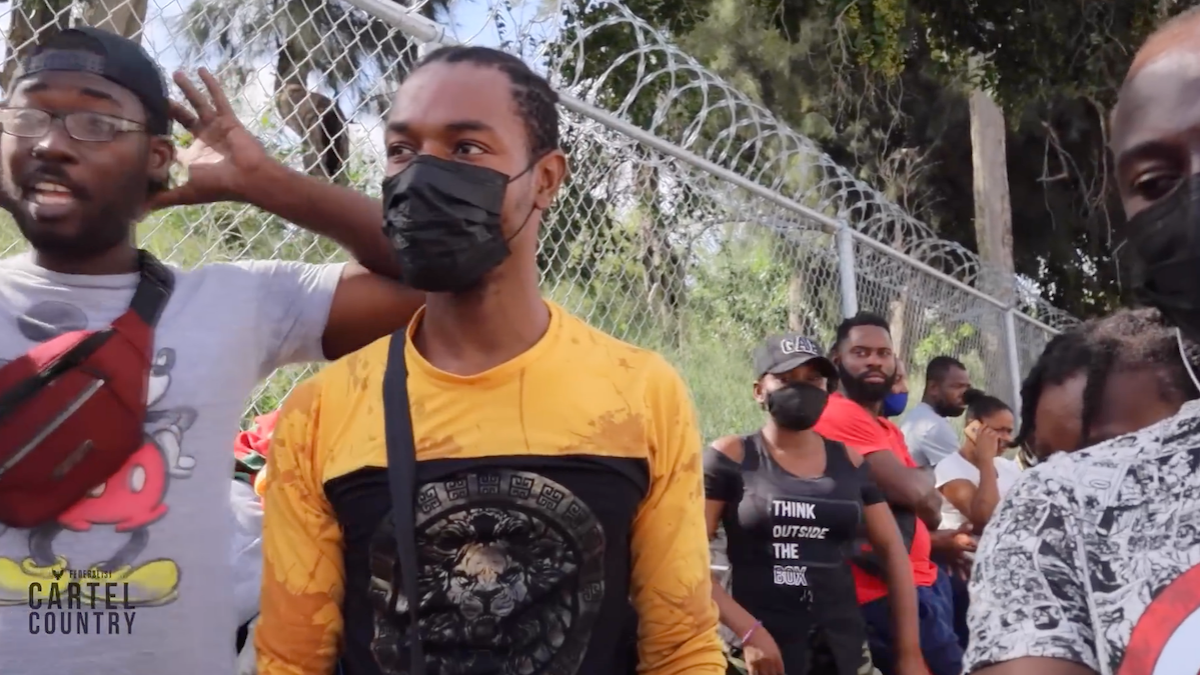
Over the weekend, Homeland Security Secretary Markwayne Mullin defended the Trump administration’s decision to end Temporary Protected Status for hundreds of thousands of Haitians living in the United States — a move that received support from a Supreme Court ruling last week.
The immediate political fight focused on Haiti.
The bigger story may be the program itself.
In defending the administration’s position, Mullin highlighted a reality immigration hawks have been pointing to for years: a system presented as emergency protection has increasingly functioned as a long-term residency track with no clear end point.
That tension sits at the center of the debate.
TPS was created as a temporary measure, not a permanent immigration category. Yet repeated extensions over time have led critics to ask whether the federal government has effectively converted emergency protections into indefinite presence without congressional approval.
The Trump administration’s approach reflects a different view — that immigration programs should operate according to their stated purpose and that exceptions should not quietly become default policy.
That does not mean every person covered under TPS should be treated as identical or that individual cases do not involve difficult circumstances. It does mean the government must eventually answer a straightforward question: if temporary protections never end, what exactly makes them temporary?
For supporters of stricter immigration enforcement, that question goes beyond one country or one court ruling.
It is about whether immigration law still means what it says.
The larger America First argument has never been that compassion and borders cannot coexist. It is that public trust disappears when rules are rewritten through inertia, deadlines become suggestions, and temporary programs become permanent realities. If Washington wants a different system, Congress can debate one openly. But temporary should not become forever simply because enforcing the original terms became politically uncomfortable.