Another major fire in Los Angeles is reigniting a familiar debate over leadership, preparedness, and whether city and state officials are moving with enough urgency when disaster strikes.
On Wednesday, a warehouse fire broke out in Boyle Heights, just east of Downtown Los Angeles, sending heavy smoke into the air and creating difficult conditions for emergency crews.
According to reports, solar panels installed on the roof of a cold food storage facility continued burning through the night, complicating containment efforts and contributing to concerns about air quality and public safety.
Firefighters with the Los Angeles Fire Department worked to control the blaze, but the unusual conditions reportedly made suppression efforts more difficult than a standard commercial fire response.
As images of smoke spread across social media, criticism quickly followed.
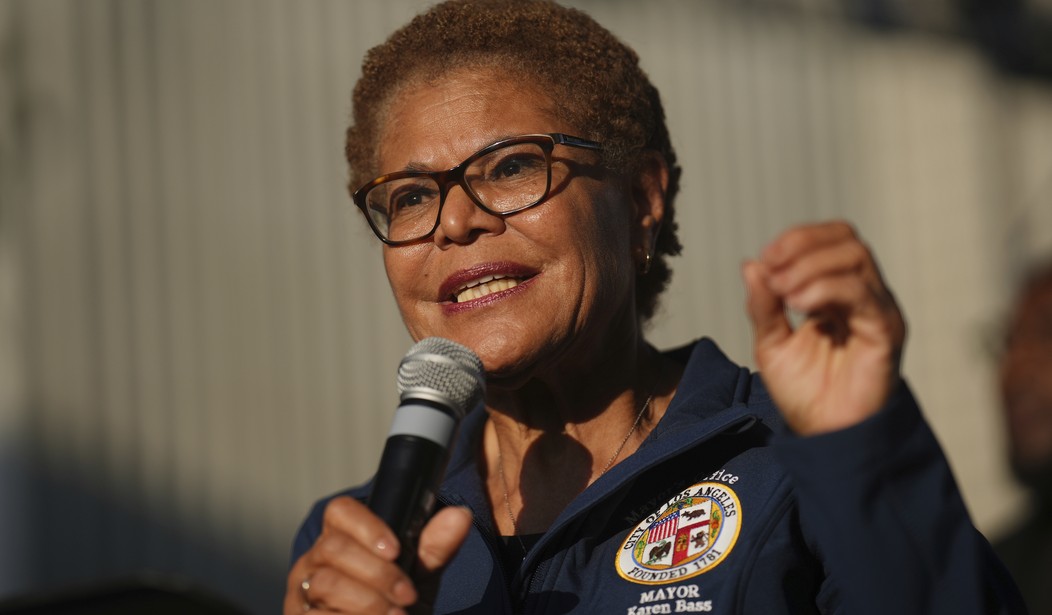
Opponents of local and state leadership questioned whether officials, including Los Angeles Mayor Karen Bass and California Governor Gavin Newsom, responded with enough speed and visibility during the early stages of the incident. Critics argued that residents increasingly expect faster public communication and clearer emergency coordination during large-scale events.
Supporters of city leadership counter that industrial fires involving solar infrastructure can present unique operational challenges and that emergency response decisions often depend on evolving conditions rather than political timelines.
Still, the optics have become difficult to ignore.
For many residents, the concern is not simply whether firefighters are working — but whether elected officials appear present, prepared, and transparent while those efforts are underway.
That frustration reflects a broader pattern in California politics, where questions around infrastructure, emergency readiness, and public confidence continue to shape public debate.
Because for voters watching smoke fill the skyline, explanations about complexity often arrive after expectations about accountability.
No single fire defines a government. But repeated moments that create the appearance of delayed leadership can gradually shape public trust — and in a city where disasters increasingly feel less exceptional and more routine, that trust may become one of the most important resources officials have left.