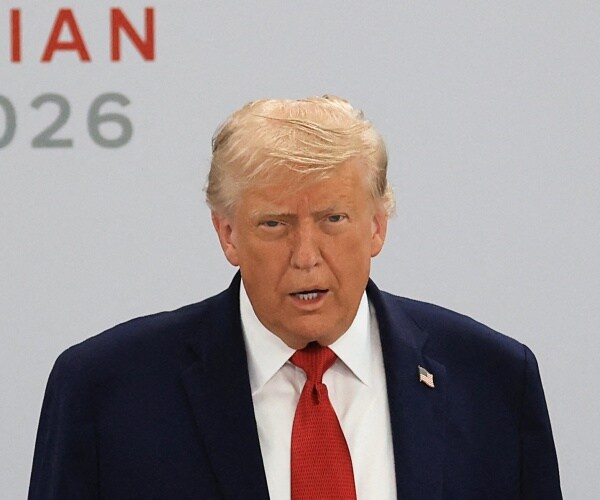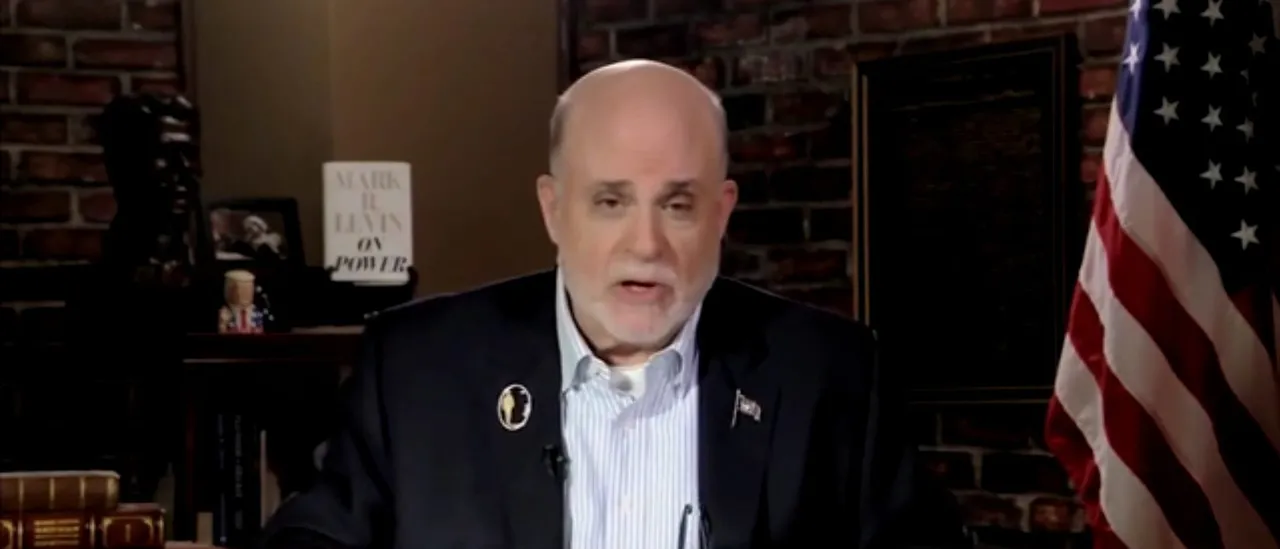
One of President Donald Trump’s longtime media allies is now openly challenging the administration’s approach to Iran — exposing a rare and increasingly visible divide inside the broader America-first coalition.
Fox News host Mark Levin sharply criticized Trump in recent posts on X and during an extended monologue on his Saturday program, accusing the president of “trashing” and “bullying” Israel amid growing debate over Washington’s diplomatic track with Tehran.
The criticism followed comments made Thursday by Vice President JD Vance, who pushed back against Israeli officials that had publicly criticized the memorandum of understanding signed between the United States and Iran.
That agreement established a 60-day negotiating window intended to pursue a broader peace arrangement.
Levin was not persuaded.
During a segment that stretched more than 17 minutes, he argued that the administration’s messaging toward Israel represented a dangerous shift and suggested that public pressure on one of America’s closest allies risks weakening deterrence at a critical moment in the region.
The exchange highlights a tension that has existed for years inside the American right but rarely becomes this public.
Supporters of Trump’s diplomatic approach argue that negotiation backed by leverage is not weakness but strategy. They contend that opening talks does not mean abandoning allies and that avoiding open-ended conflict can itself serve American interests.
Critics, including voices like Levin, see a different risk.
They argue that agreements with Iran have historically produced skepticism among conservatives who fear temporary diplomatic wins can create long-term strategic costs if enforcement proves weak or regional proxies remain active.
The disagreement is notable not because Levin is criticizing Trump — political allies disagree all the time — but because it touches one of the defining pillars of modern Republican foreign policy: how to balance America First priorities with strong support for Israel.
That conversation is becoming harder to avoid.
For years, Trump largely maintained alignment between voters prioritizing restraint abroad and those favoring maximum pressure against Iran. Moments like this suggest those priorities do not always move together.
And when influential allies begin publicly questioning the strategy, the debate becomes less about loyalty and more about where conservatives believe strength actually comes from.
The administration appears committed to testing whether diplomacy and pressure can coexist. Its critics are asking whether that balance holds once negotiations begin.
That argument is unlikely to end when the 60 days do.