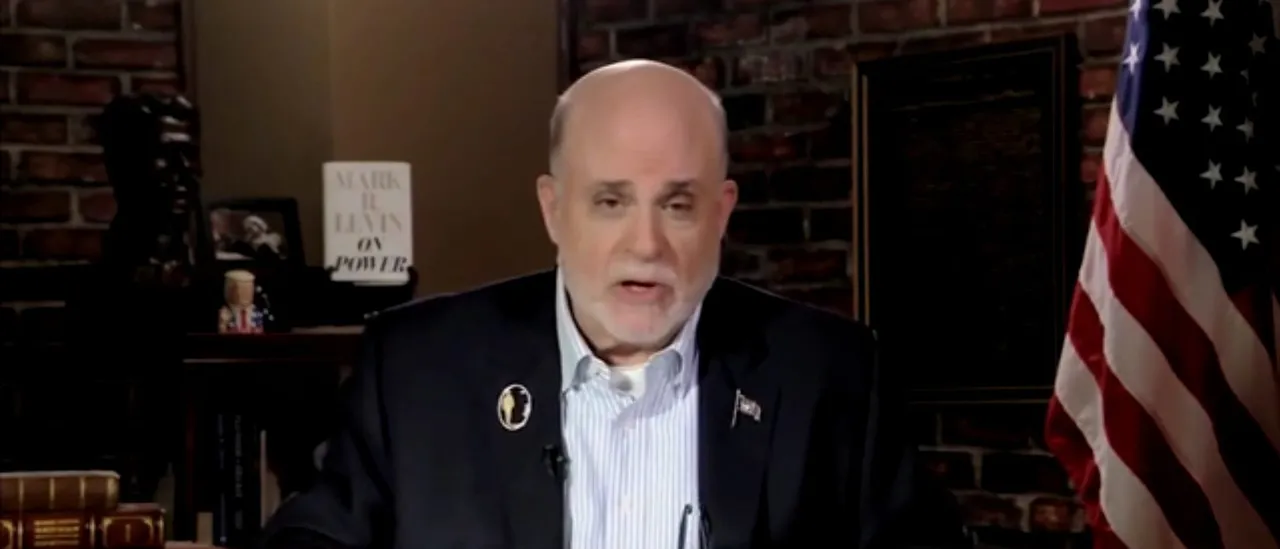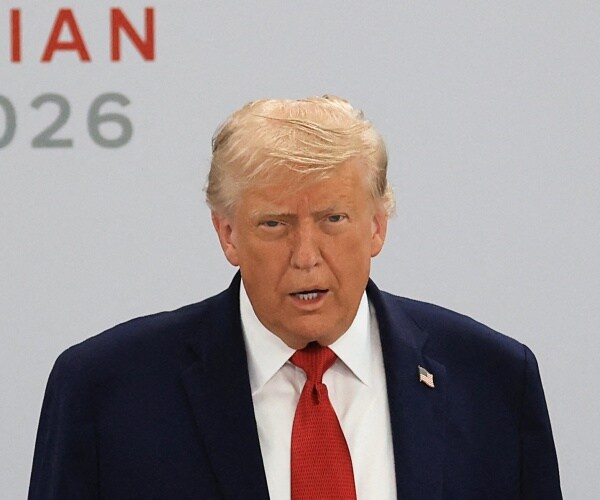
President Donald Trump sharply criticized The New York Times on Sunday after the newspaper published an analysis questioning how much had actually changed following nearly four months of conflict involving Iran.
Trump rejected the premise entirely.
In a post on Truth Social, the president pointed directly at the publication’s headline and argued that the results of the conflict were obvious and substantial.
“The headline in the Corrupt and Failing New York Times: ‘What Changed After Almost 4 Months of War? Analysts Say Not Much.’ REALLY?” Trump wrote.
The president went on to argue that the campaign had significantly weakened Tehran — militarily and economically — while strengthening the strategic position of the United States.
The exchange reflects a broader divide that has shaped coverage of the conflict from the beginning.
Supporters of Trump’s approach argue that judging military and geopolitical outcomes requires looking beyond immediate headlines and focusing on degraded capabilities, deterrence, and long-term leverage. From that perspective, even if regime change or total regional stability were never achieved, reducing Iran’s operational strength would itself represent a meaningful outcome.
Critics and many foreign policy analysts, however, continue to question whether the costs of prolonged confrontation produced lasting strategic gains. They argue that measuring success requires more than battlefield pressure and point to ongoing instability and continued diplomatic negotiations as evidence that core disputes remain unresolved.
Trump’s response suggested frustration not only with the analysis itself, but with what many conservatives describe as a recurring pattern in media coverage — where setbacks are amplified while strategic victories are treated with skepticism or dismissed as temporary.
That criticism has become familiar territory.
Supporters of the administration frequently argue that media institutions demand immediate proof of success from Republican foreign policy decisions while giving more favorable assumptions to diplomatic frameworks or international consensus models.
Of course, declaring that “nothing changed” after months of conflict is also a conclusion — not the absence of one.
Whether the military pressure ultimately translates into a durable diplomatic outcome remains an open question. But the political argument already taking shape is larger than Iran alone: who gets to define success in American foreign policy — elected leaders, foreign policy experts, or the institutions interpreting events for the public.
That debate is unlikely to end with one headline, one war, or one post on Truth Social.