France is confronting a familiar European dilemma: when violent unrest spills into the streets, authorities must restore order without undermining the freedoms they are supposed to protect. President Emmanuel Macron is now moving to prohibit demonstrations in several cities following a weekend of violence that left businesses looted, vehicles burned, and public buildings damaged.
For a French government that has repeatedly presented itself as a defender of republican values, the situation presents an uncomfortable test. Liberty means little if ordinary citizens cannot safely operate their businesses, travel through their neighborhoods, or gather in public without fearing violence. Yet banning demonstrations also raises serious questions about how far the state should go when public order breaks down.
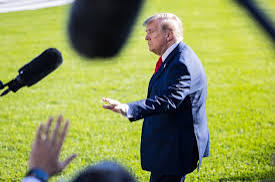
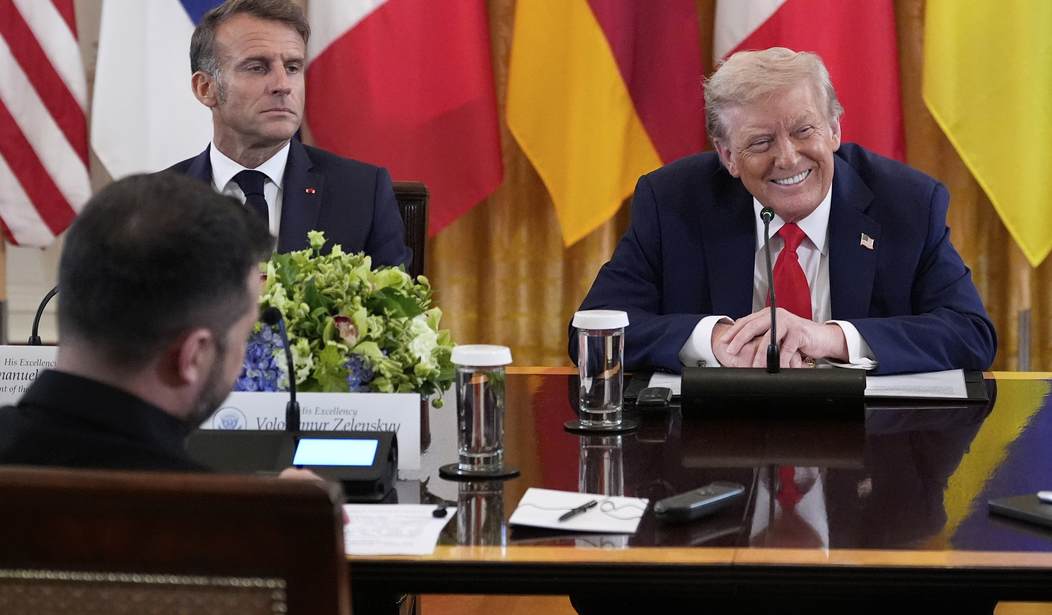
The developments offer fresh ammunition to critics of Europe's political establishment, including supporters of President Donald Trump, who have long argued that European leaders have failed to confront mounting social tensions and the consequences of their policy decisions.
Macron's proposed restrictions come amid a broader struggle over public safety, immigration, national identity, and the limits of government authority. But the immediate crisis is concrete: businesses have been ransacked, vehicles torched, and public property damaged, leaving authorities under pressure to prevent further disorder.
Paris becomes the center of a growing confrontation
The unrest has also exposed the difficulties of enforcing restrictions in a country where the right to demonstrate remains a powerful democratic tradition.
Thousands of protesters gathered in Paris on Thursday after an administrative court overturned a police ban on a planned demonstration, according to the Associated Press, as cited in the supplied report.
The reversal illustrates the tension at the heart of the crisis. Police officials may seek to prevent further violence, while courts must determine whether restrictions imposed by the government are lawful. Neither public safety nor the right to protest can simply be dismissed when political tensions rise.
For Macron, the challenge is to demonstrate that the government can protect the public without turning emergency measures into a substitute for addressing the underlying causes of unrest.
The situation also complicates the familiar European narrative that increasingly restrictive public-order measures are necessary to preserve social cohesion. When authorities respond to disorder by limiting demonstrations, the question becomes whether the state is restoring the conditions for liberty or restricting liberty because it has struggled to maintain order.
That distinction matters to citizens who want both security and the ability to hold their government accountable.
Trump's warning about Europe's direction returns to the debate
Trump and his America First movement have repeatedly emphasized national sovereignty, border security, and the responsibility of governments to put their own citizens first. The turmoil in France provides a fresh backdrop for those arguments, particularly among conservatives who believe European leaders have neglected public concerns about immigration, integration, and national identity.
Still, the reported unrest does not, by itself, establish that immigration caused the violence. Determining the causes requires evidence about the participants, the circumstances surrounding the disturbances, and the specific grievances driving the demonstrations.
What is clear is that Macron faces a test of public confidence. French citizens should not have to accept burned vehicles, looted shops, and damaged public buildings as the price of political instability. Nor should peaceful demonstrators automatically lose their rights because others have engaged in violence.
France's republican ideals rest on liberty, equality, and fraternity. Those principles are not served by lawlessness, but neither are they served by reflexively suppressing peaceful dissent.
Macron now has to prove that his government can uphold both public order and civil liberties. For Trump and his supporters, the unfolding crisis reinforces a longstanding argument: governments must take the security and concerns of their own citizens seriously before public trust deteriorates further. In France, the immediate test is whether the authorities can restore order while preserving the freedoms that define a democratic society.