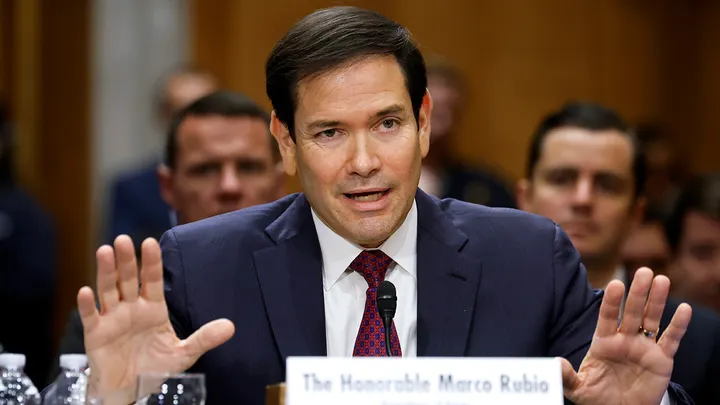
Secretary of State Marco Rubio forcefully rejected allegations that President Donald Trump considered his personal financial interests when making decisions related to the recent conflict with Iran, calling the accusation completely unfounded during a tense congressional hearing.
The exchange occurred Wednesday before the House Foreign Affairs Committee, where Representative Gregory Meeks, a New York Democrat, questioned Rubio about whether Trump had been warned that military action against Iran could impact Americans financially and whether the president's investment holdings created a potential conflict of interest.
Rubio did not hesitate in his response.
“Not once. Just to be clear, not a single time, not even for a millisecond,” Rubio said when asked whether Trump had ever discussed his personal finances in relation to war or foreign policy decisions.
The secretary emphasized that he has participated in nearly all of the president’s major foreign policy meetings and has never witnessed Trump factor personal economic considerations into decisions affecting national security.
The questioning came after Meeks referenced Trump's annual financial disclosure, which showed more than 3,600 securities transactions executed during the first quarter of 2026 in investment accounts managed for the president’s benefit.
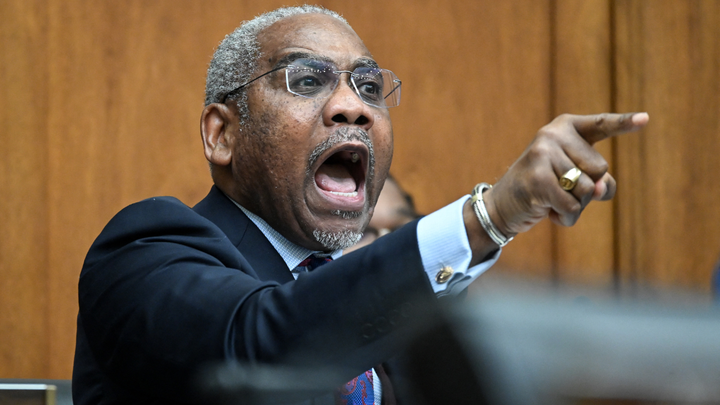
When Meeks suggested that stock purchases connected to companies potentially benefiting from military action could create a conflict of interest, Rubio pushed back strongly.
“I’m not aware of the president’s stock purchases,” Rubio replied. “I don’t deal that. And I don’t even know what you’re saying is true.”
After Meeks argued that the information was publicly available, Rubio responded that he does not review the president’s financial disclosures and expressed skepticism about the claim.
The White House also rejected the allegations. Spokeswoman Anna Kelly described the accusations as a continuation of political attacks that have followed Trump throughout his time in public life.
“This is the same, tired narrative that Democrats have pushed against President Trump, his family, and his administration for a decade,” Kelly said. “President Trump only acts in the best interests of the American public.”
Trump representatives have maintained that the investment accounts are managed by outside financial professionals and that the president does not direct individual transactions.
The hearing highlighted the ongoing political battle over Trump's decision-making and finances, a subject that has generated scrutiny for years. However, Rubio's testimony left little ambiguity regarding his view of the matter. According to the secretary of state, the suggestion that Trump weighed personal financial gain when making decisions involving Iran is simply not grounded in reality.
As debates over foreign policy continue in Washington, Rubio's emphatic defense underscored the administration's position that national security decisions are being made based on America's interests—not anyone's investment portfolio. After all, if critics are still recycling the same accusations after a decade, it may be a sign they're running low on new material.