Massachusetts is running into a harsh reality check as its economic model starts showing serious cracks—fewer taxpayers, slowing migration, and policies that critics say are only making things worse.
The Bay State is now dealing with a double hit: residents leaving in significant numbers while the inflow of migrants—once seen as a population boost—has dropped sharply. And yes, that combination is about as sustainable as it sounds.
According to reports, cities like Boston saw strong population growth between 2023 and 2024, largely driven by immigration. But from 2024 to 2025, that growth fell by more than half, reflecting a broader slowdown tied to stricter border policies under President Donald Trump.
Turns out, when the flow slows down, the numbers change fast.
At the same time, long-time residents aren’t sticking around. Data shows Massachusetts now ranks near the bottom—47th—in population growth, with a net loss of over 30,000 residents. Not exactly the direction you want if you’re trying to maintain a strong economy.
And here’s where it gets even more interesting.
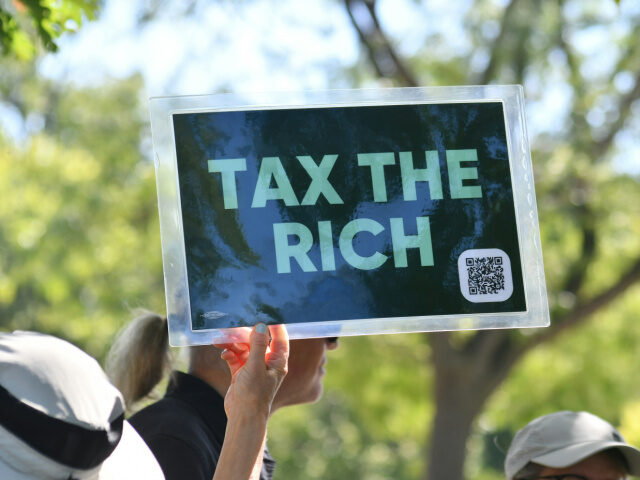
Despite a shrinking tax base, state lawmakers have pushed forward with higher taxes, including a millionaire tax. Because when people are leaving, the logical move is… raise taxes on the ones still there? Bold strategy.
The results are already showing. The state’s net loss of adjusted gross income to other states has skyrocketed—from about $900 million in 2012 to over $4.18 billion in 2023. That’s a 467% increase, and not the kind you celebrate.
Experts are sounding the alarm. The loss isn’t just numbers on paper—it’s working-age residents and pre-retirement professionals heading elsewhere, taking their productivity and tax contributions with them.
At the same time, the slowdown in immigration means there are fewer incoming workers to offset those losses, creating pressure on the labor force and long-term economic stability.
In short, the math isn’t adding up.
Critics argue this is what happens when policies prioritize short-term fixes over long-term sustainability. When taxpayers leave and replacements don’t arrive, the system starts to strain—quickly.
The big question now is whether state leaders will adjust course or continue down the same path.
Because at the end of the day, economic reality doesn’t care about political narratives—it responds to results.
And if there’s one thing becoming clear, it’s that ignoring those results isn’t an option for long.