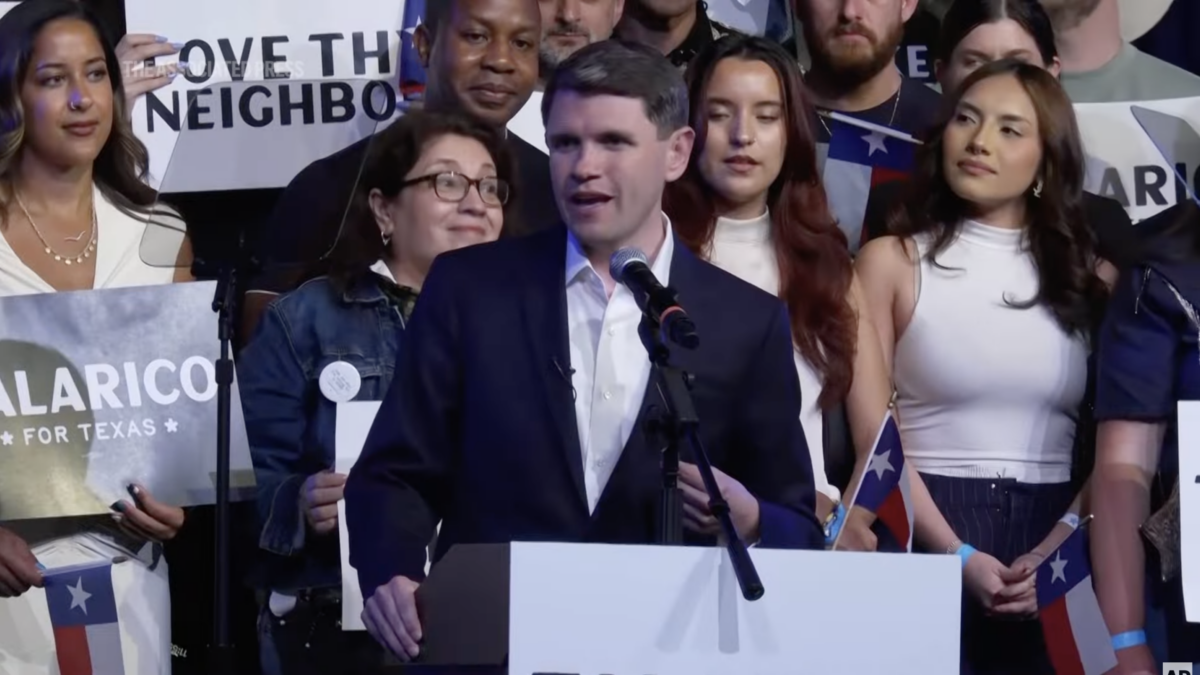
Coverage of James Talarico, a Democratic state representative from Texas, has drawn attention after he secured his party’s Senate primary nomination while openly highlighting his Christian faith during the campaign.
For years, critics in media and politics have warned about the dangers of mixing religion and politics, often using the term “Christian nationalism” to describe conservative movements rooted in faith. However, some commentators argue that the reaction changes when the religious figure is aligned with the Democratic Party.
Faith as a Campaign Strategy
In commentary published by MSNBC, writer Guthrie Graves-Fitzsimmons praised Talarico’s campaign for embracing religion while promoting progressive policies.
Graves-Fitzsimmons described Talarico as “living up to the hype” and suggested that his faith-centered messaging could reshape political discourse by showing how Democrats can engage religious voters.
Other outlets have taken a similar tone. Coverage from Vox highlighted what it called Talarico’s “compassionate progressive Christianity,” arguing that his message combines religious language with policies such as higher taxes on the wealthy and expanded social programs.
According to Vox writer Christian Paz, Talarico’s approach could broaden the Democratic coalition by appealing to voters who value faith but may not traditionally support the party.
Policy Positions Grounded in Scripture
Talarico has frequently cited Biblical passages to defend positions that align with mainstream Democratic priorities. These include support for abortion rights, LGBTQ rights, and gun control.
In a recent appearance on The Joe Rogan Experience, he discussed what he described as Biblical context related to abortion, arguing that certain passages in the Old Testament contain references that some scholars interpret as instructions connected to abortion practices in the ancient world.
His interpretation has drawn criticism from conservative commentators and religious writers who argue that such readings contradict traditional Christian doctrine regarding the sanctity of life.
Media’s Different Tone on Religion
Supporters say Talarico represents a different kind of faith-based politics focused on compassion, social justice, and inclusion. In an interview with Stephen Colbert, Talarico described his vision of Christian politics as one centered on “feeding the hungry, healing the sick, and welcoming the stranger.”
But critics argue that the positive media reception highlights what they see as a double standard.
They point to past media coverage of conservative politicians like Mike Johnson, whose religious views have sometimes been labeled “Christian nationalist” in opinion columns from outlets such as The New York Times and other publications.
Debate Over Religion in Politics
The broader debate reflects a longstanding question in American public life: what role religion should play in politics.
Some analysts argue that religious language in politics is acceptable when it promotes pluralism and democratic values, while critics say the media often judge religious involvement based on whether it supports progressive or conservative policy goals.
As Talarico prepares for the general election campaign, his candidacy is likely to remain part of the wider national conversation about faith, politics, and the evolving political identity of religious voters in the United States.