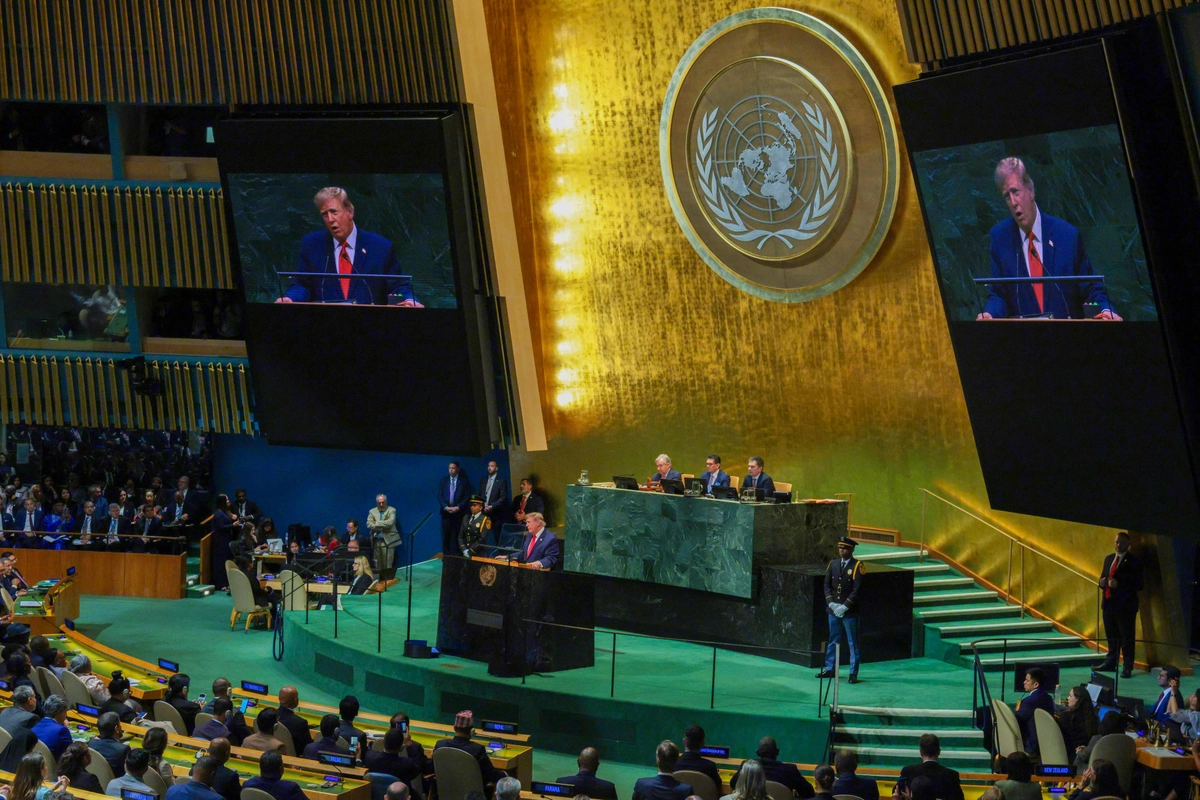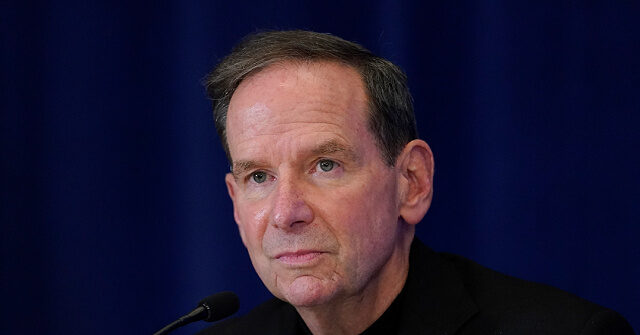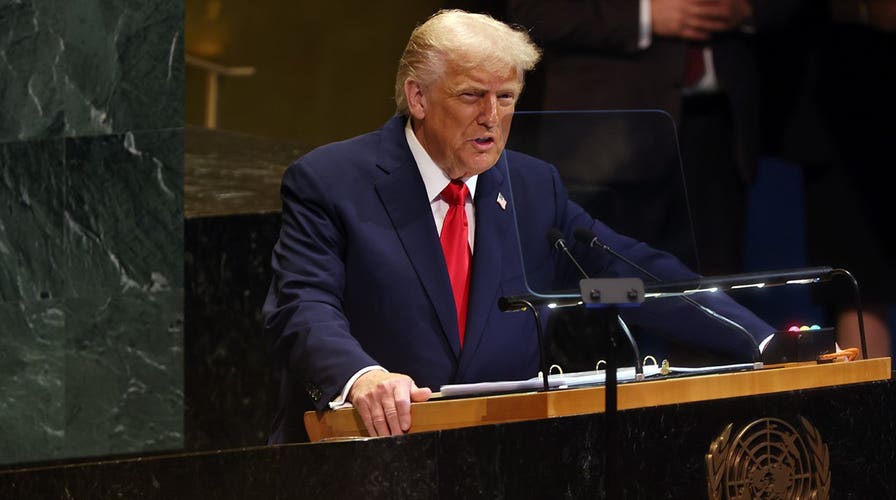
Italian Prime Minister Giorgia Meloni has notably opted to skip this week's United Nations General Assembly in New York, a decision signaling deeper tensions just months after public disagreements with former President Donald Trump.
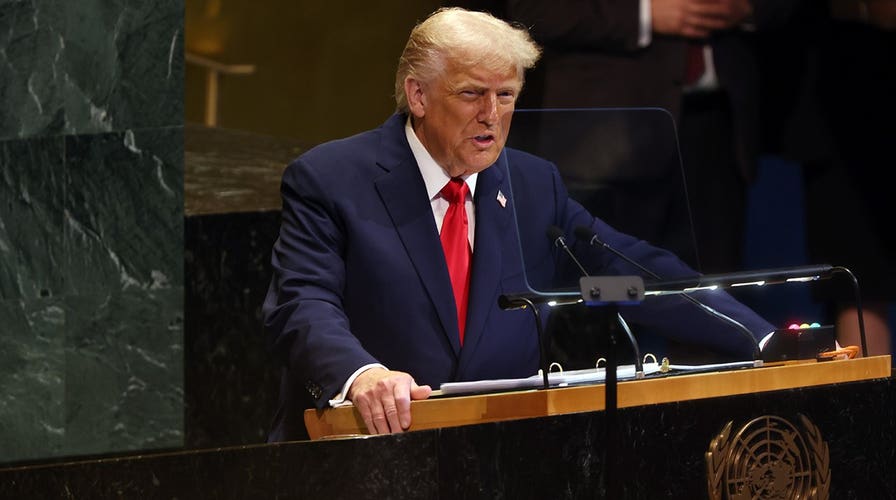
This departure from nearly 15 years of tradition for Italian prime ministers at the UNGA comes as Meloni claims a "packed schedule" and pressing domestic "dossiers." Yet, the timing raises questions about her commitment to global leadership and avoiding uncomfortable encounters.
Her absence conveniently sidesteps another potential face-off with President Trump, whose candid critiques of Italy's stance on critical foreign policy issues have clearly rattled Rome. The once "warm relationship" between the two conservative leaders has recently frayed, exposing a crucial test of transatlantic alliances.
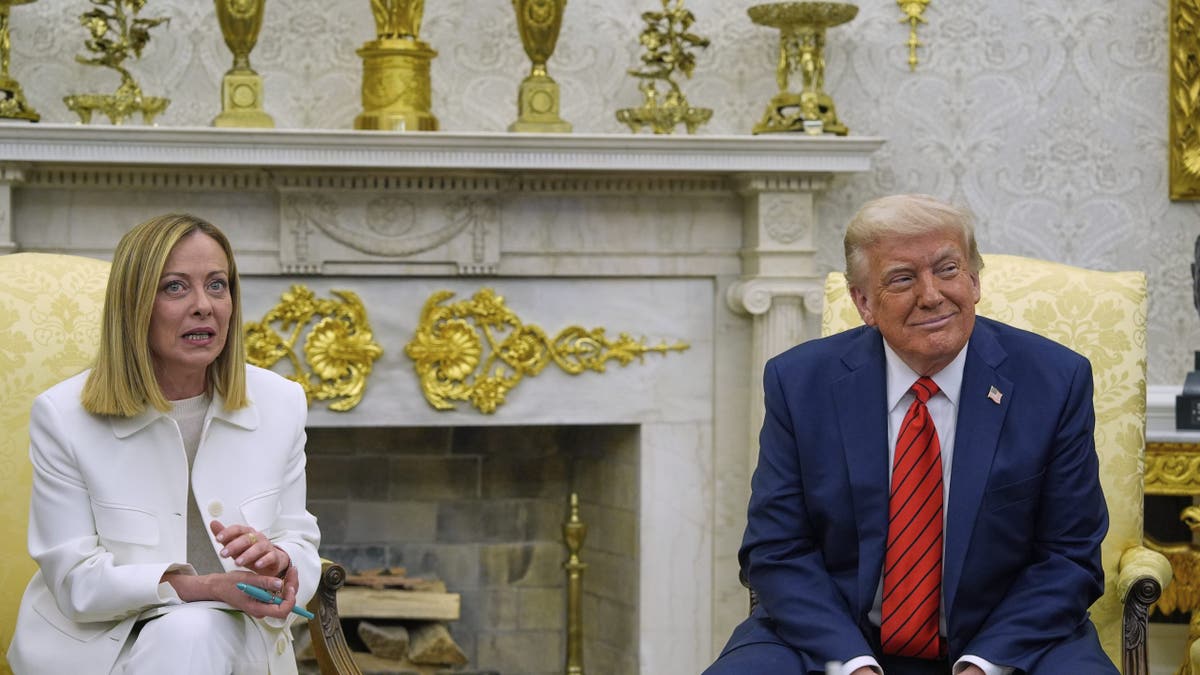
Italian Foreign Minister Antonio Tajani attempted to downplay the situation, stating that Italy views the UN as a "basic instrument for achieving peace" and asserting "great attention from the Italian side." Such diplomatic platitudes, however, often ring hollow when confronted with real-world political friction.
The simmering tension boiled over in June when President Trump recounted that Meloni had "begged" him for a photograph at the G7 summit. This public anecdote came after earlier friction regarding Meloni's opposition to U.S. military action against Iran and her deeming Trump's criticism of Pope Leo XIV as "unacceptable."
This friction marks a stark contrast to their historically warmer ties. Meloni notably stood as the sole European leader to attend President Trump's 2025 presidential inauguration, a testament to what was once a strong alliance rooted in shared conservative values.
The saga continued into July, preceding the NATO summit in Turkey, when President Trump, with his signature directness, posted "RESTRAINING ORDER NEEDED" on Truth Social, accompanied by a pointed photo of Meloni seemingly gazing at him.
Tajani again offered a defensive response in July, claiming Trump's statements "speak for themselves" and that "transatlantic relations go far beyond individual statements." A convenient narrative, perhaps, for those who prefer to ignore the clear implications of a shifting geopolitical landscape.
The core of the dispute stemmed from a June interview with Italy's La7, where President Trump candidly described Meloni's alleged eagerness for a photo opportunity at the G7. "She wanted a picture with me so badly. I wouldn't have taken it, but I felt sorry for her," Trump stated, adding, "She's probably happy I talked to her. I didn't have to talk to her." Such unvarnished honesty from an American leader is a stark contrast to typical diplomatic pleasantries, making clear where he stood.
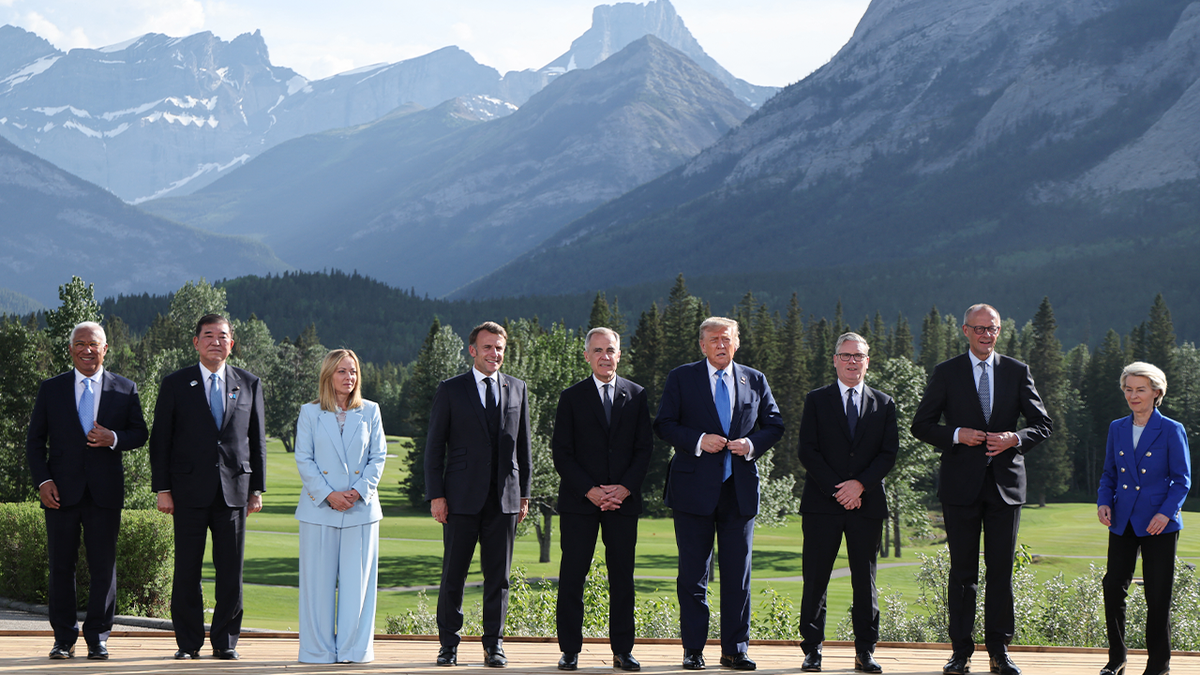
Meloni, clearly stung, shot back, stating it was "disappointing that he does not show the same determination with the enemies of the West and of the United States, whose leaders he instead treats with far greater indulgence." A peculiar deflection from the Italian leader, considering Trump's unwavering stance against global adversaries.
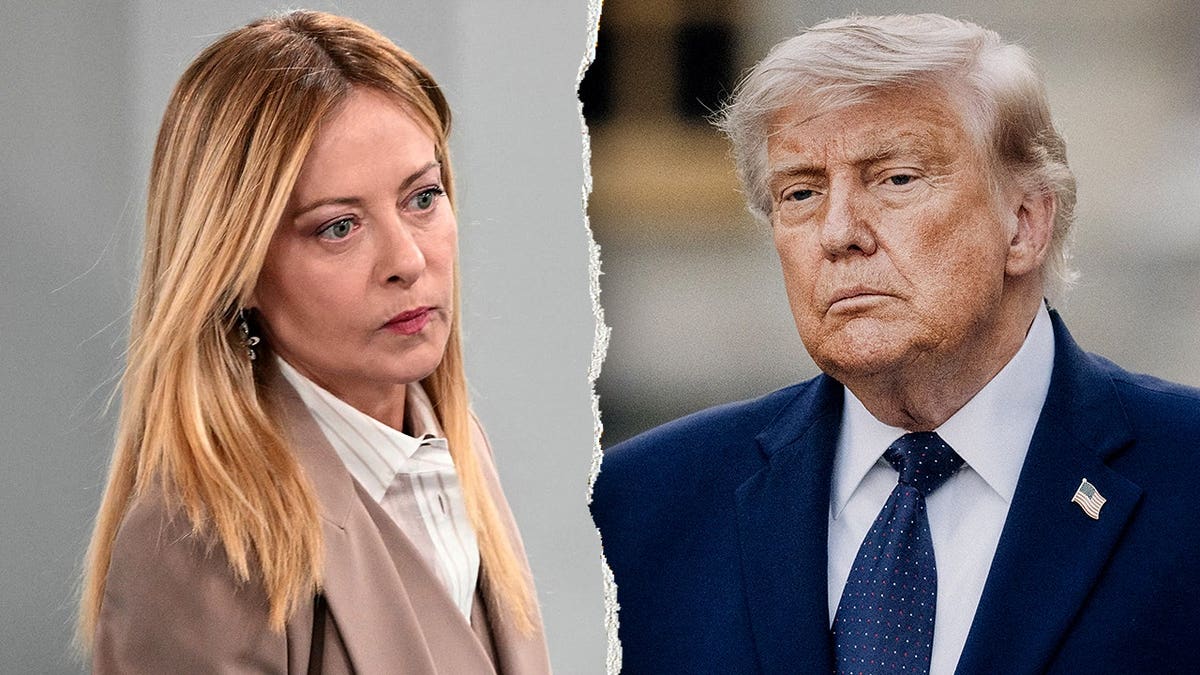
She defiantly concluded, "There is one thing he should remember: neither I nor Italy ever beg." Strong words, but actions speak louder than platitudes.
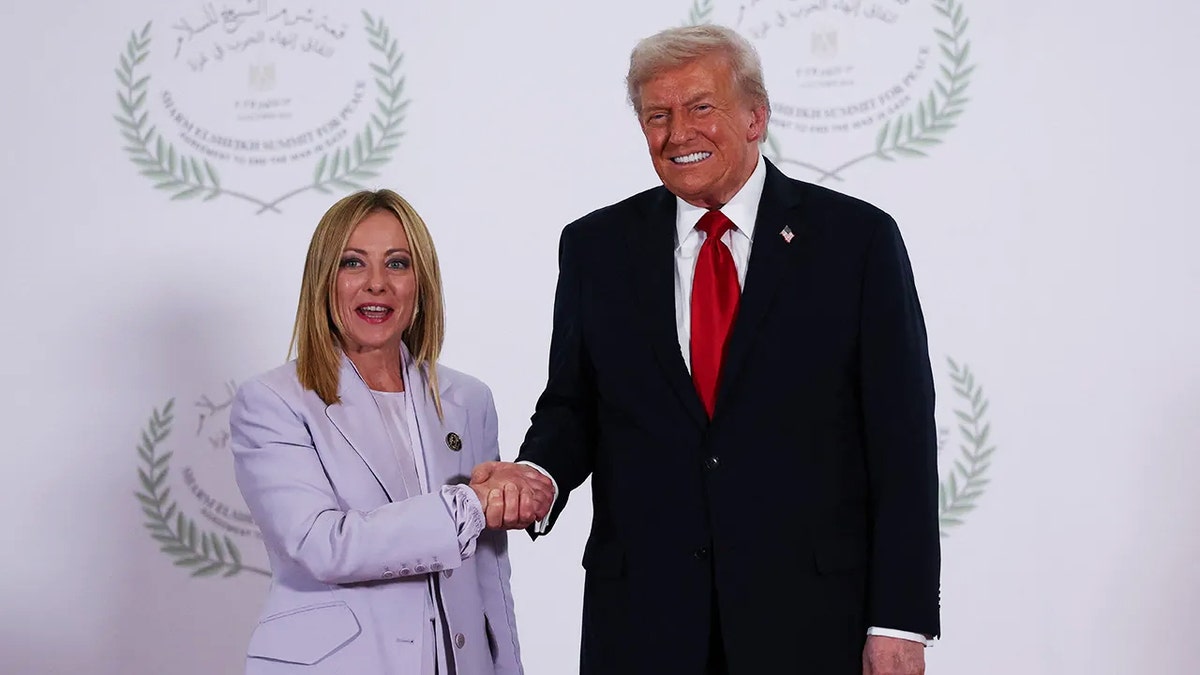
These escalating tensions stem from Meloni's perceived distancing of Italy from crucial U.S. policy, particularly amidst the growing complexities of the Middle East conflict, a move that has seemingly prioritized domestic political pressures over robust transatlantic alignment.
President Trump further underscored his concerns, openly criticizing Meloni for failing to provide vital support to the U.S. by denying access to Italy's landing strips and runways for military operations. This, Trump rightly labeled, "a great logistical inconvenience," directly impacting American national security efforts.
In June, Trump laid out the stakes: "She is doing poorly in Italy with her level of popularity, possibly because she turned down the United States of America, a Country that truly loves and protects Italy, when it came to denying Iran from obtaining or developing a Nuclear Weapon (But so did NATO, for that matter!)." His analysis highlights a crucial point: failing to stand with America on global security issues has real consequences, both domestically and internationally.
Italy's role as a pivotal U.S. security hub, hosting nearly 13,000 American service members, underscores the gravity of any perceived weakening of ties. The presence of U.S. forces in Vicenza, Aviano, Naples, and Sicily is a testament to America's commitment to European stability, a commitment that demands unwavering reciprocity from its allies.
A senior administration official, responding to inquiries about Meloni's absence, tactfully highlighted President Trump's continued robust engagement with other global leaders and his crucial discussions with Gulf partners regarding Iran. It appears America's leadership is not waiting for those who waver.
Foreign Minister Tajani is scheduled to address the UNGA later this week, a task that will undoubtedly include navigating the diplomatic fallout from his Prime Minister's conspicuous absence and the ongoing questions about Italy's alignment with America First principles.
The refusal to engage directly with President Trump and the perceived softening on critical foreign policy issues raise significant questions about Italy's commitment to Western security and its alignment with America First principles. True allies understand the importance of a strong, unified front, particularly when facing the enemies of freedom and global stability.