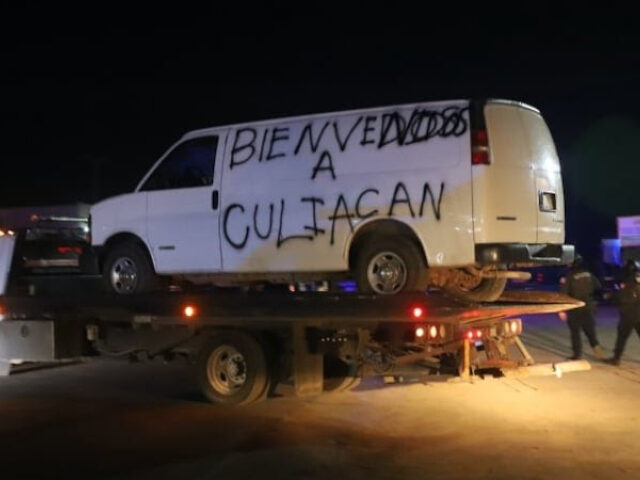
A retired Mexican Army general and former top security official accused of working with the Sinaloa Cartel has surrendered to U.S. authorities, adding yet another explosive chapter to the ongoing corruption scandals tied to Mexico’s drug war.
General Gerardo Merida Sanchez, the former Secretary for Public Safety in Sinaloa, reportedly turned himself in earlier this week after being named in a criminal indictment alongside the sitting governor of Sinaloa. The indictment accused both men of working with the powerful Sinaloa Cartel — the same criminal organization responsible for flooding American communities with deadly narcotics for years.
According to Mexico’s Security Cabinet, Merida Sanchez traveled from Hermosillo, Sonora, to Nogales, Arizona, where he surrendered to the U.S. Marshals Service.
The case is sending shockwaves through both Mexico and the United States because it reinforces what many have suspected for years: cartel influence has deeply penetrated parts of Mexico’s political and security institutions. Apparently, when the people supposed to fight the cartels end up accused of helping them, it becomes difficult to pretend the corruption problem is “under control.”
Merida Sanchez had previously served as one of Sinaloa’s highest-ranking public safety officials, making the allegations especially serious given the cartel violence and trafficking operations tied to the region.
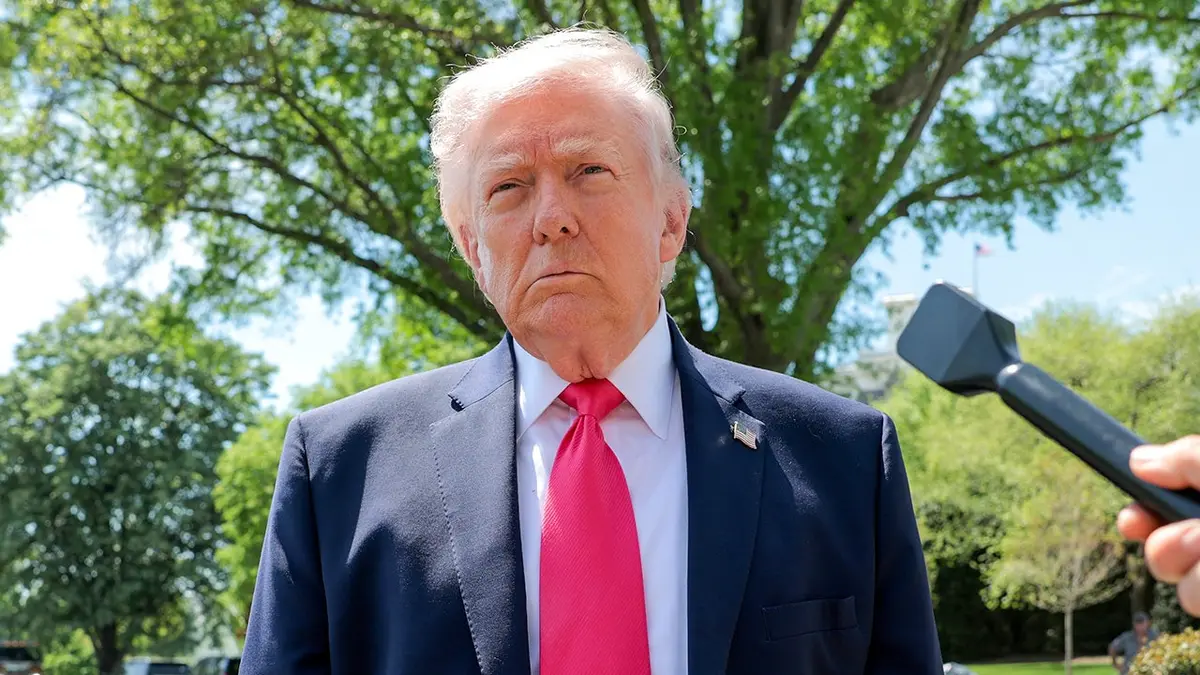
The indictment comes at a time when concerns over border security, fentanyl trafficking, and cartel violence remain major issues for American voters. President Donald Trump has consistently argued that stronger border enforcement and tougher action against transnational criminal organizations are necessary to protect U.S. communities from the growing influence of cartels operating near and across the southern border.
For many Americans, the surrender of such a high-ranking Mexican official only confirms the scale of the challenge. When military generals and public safety leaders are accused of collaborating with drug cartels, it highlights just how deeply organized crime has embedded itself into parts of the system.
At the same time, supporters of stronger law enforcement cooperation see the surrender as proof that authorities are continuing to pursue cartel-linked corruption aggressively. The fact that the former general surrendered directly to U.S. authorities signals that accountability efforts are moving forward despite the enormous political sensitivity surrounding the case.
As investigations continue, the case is likely to intensify calls for stronger border security, expanded anti-cartel operations, and closer scrutiny of the networks fueling the narcotics crisis impacting communities across America.